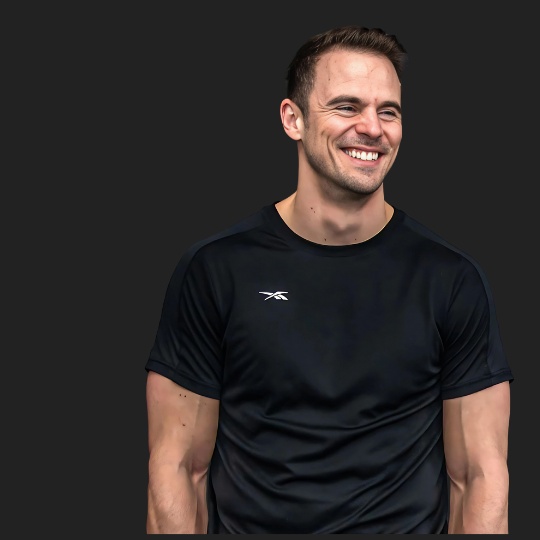

At 49 years old, entrepreneur and fitness veteran Bedros Keuilian looks and performs better than many in their 30s. But it’s not just genetics—he’s built his life around a series of highly intentional habits tailored for training, recovery, and longevity.
In a candid conversation, Bedros broke down the hard-earned lessons and golden rules he’s followed for nearly three decades. Whether you’re in your 40s or approaching them, these takeaways can reshape the way you think about fitness past youth.

Want to know why he walks away from heavy lifting, counts protein grams like money, and even uses testosterone therapy? Let’s break it all down below.
Jump to:
1. Prioritize Protein—Religiously
At 225 pounds, Bedros consumes 230–235 grams of protein per day—without fail.
“It’s actually hard to get all the protein you need every day if you’re not deliberate,” he says. “If you’re not consistent with it, maintaining muscle after 40 becomes nearly impossible.”
Here’s what a typical high-protein day looks like for him:
- Post-workout: 10 oz egg whites, 2 whole eggs
- Protein shake: 50g whey + 10g collagen, creatine included
- Lunch: 2 chicken Caesar salads with double chicken, no croutons
- Afternoon protein shake: ~60g protein
- Dinner: High-protein meal with small carb portion (sweet potato or rice)
- Snack: Greek yogurt with protein powder
This approach follows emerging science supporting increased protein requirements as we age. Research shows muscle protein synthesis declines and breakdown increases after 40, meaning older lifters need more protein than they did in their 20s just to maintain muscle mass.
2. Low-Carb Lifestyle with Strategic Carb Loading
Bedros keeps his daily carbohydrates between 50–75 grams per day, which is considered a ketogenic or very low-carb approach.
“My metabolism doesn’t do well with carbs anymore. I feel bloated, lose vascularity, and it takes days to bounce back,” he explains.
However, once a week—usually Saturdays—he “carb loads” with up to 400–500 grams of carbohydrates in preparation for Sunday morning leg training.
He also consumes carbs mostly at night to aid with sleep and because his willpower is lower in the evening. This backloading approach also aligns with literature suggesting carb intake at night may improve sleep quality and adherence.
3. Quality Sleep Isn’t Optional
Gone are the days when Bedros could survive on 4–5 hours of sleep.
“Now, if I don’t get 7.5–8 hours, everything—fat burning, muscle building—grinds to a halt.”
His sleep tactics include:
- Installing blackout curtains
- Eliminating blue light (even covering small LEDs)
- Limiting caffeine to one cold brew early in the day
- Turning off all notifications by 7 p.m.
- Using the hot tub before bed to relax
- Taking magnesium before sleep
4. Training Smarter, Not Harder
“When reps start getting sloppy, I put the weight down,” Bedros emphasizes—something his younger self wouldn’t have done.
As a former heavy lifter, he’s now focused on longevity and injury prevention. His current lifting routine includes:
- Twice-daily training: Strength training in the morning, cardio or Jiu-Jitsu in the evening
- Superset-based strength workouts: Short rest periods, 8–12 reps per set
- Core and mobility training: Daily planks, side planks, and abs after high-intensity cardio
- Jiu-Jitsu: His preferred form of “cardio without feeling like cardio”
He also integrates a blood-pumping sled workout with his son called “Ride the Lightning,” combining sled pulls/pushes with farmer’s carries for 19 minutes straight.
5. Processed Food Is a No-Go
In his 30s, Bedros could occasionally eat out of boxes and bags and get away with it. Today? Not a chance.
“I get bloated, lose definition, and feel terrible for two or three days,” he says. “Every meal matters over 40.”
Instead, he eats whole, unprocessed foods in virtually every meal, supports his digestion with clean sources of fat like avocado and fish oil, and avoids cheat meals throughout the week. These choices have become non-negotiable pillars for staying lean and energized.
6. TRT, Peptides, and Optimizing the System
Bedros is transparent about his hormone optimization journey. After struggling with mental fog, fatigue, and declining libido around age 39–40, he had his testosterone tested. The results were shocking—“levels of an average housewife,” as his doctor put it.
Now, under medical supervision, he uses:
- TRT: 1 cc testosterone/week
- BPC-157 and TB-500 peptides: For joint and muscle recovery
- Human growth hormone (HGH): 2 IUs/day, 6 days per week
“I’m all in on optimizing. I feel 35, not 49. My blood work is clean, energy is high, libido is solid, and I recover fast,” he explains.
Importantly, these therapies are part of a holistic system including clean eating, strict sleep, and twice-daily training. “The testosterone is just the cherry on top. It’s not the whole cake.”
7. Know the Signs: When It Might Be Time for TRT
Here are some of the early indicators Bedros (and many others) have experienced:
- Low sex drive
- Brain fog and lack of sharpness
- Mid-day crashes and naps
- Low motivation to train
- Longer muscle recovery
He emphasizes that low levels by themselves aren’t enough—what matters most is whether you’re symptomatic.
“If your energy’s down and it affects your food, workouts, even family time—you might be robbing yourself of quality life,” he notes. “I did something about it. So can you.”
Final Thoughts: It’s All Connected
According to Bedros, if one area of your life falters, everything else begins to suffer.
“If I don’t train, my diet slips. Then work performance, relationships—even purpose—start to decay. It’s a domino effect,” he warns.
For older lifters and professionals alike, staying optimized isn’t merely about vanity—it’s about showing up for their families, employees, and themselves at full capacity.
“You’re not broken because your hormones shift in your 40s. You just need a game plan,” he says. “It’s not about doing ‘what you did at 25’—it’s about what works right now.”
And with this mindset, Bedros isn’t just surviving at 49. He’s thriving.
Follow Bedros Keuilian on Instagram and YouTube: @bedroskeuilian