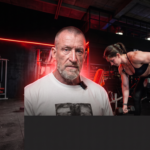
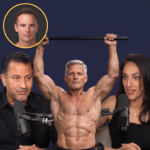
Actor Tom Hopper has mastered the art of maintaining peak physical condition while navigating the grueling demands of Hollywood film sets.
His approach to fitness and nutrition reveals a disciplined mindset that goes far beyond typical celebrity workout routines.

In a recent conversation on the Man Alive podcast with Dr. Jeff Foster, Hopper shared the realities of staying camera-ready while working 12-14 hour days.
What he revealed might change how you think about consistency, discipline, and what’s actually possible with proper planning.
Jump to:
- Training at 4 AM: The Reality of Staying Fit on Film Sets
- Character-Specific Training Philosophy
- Minimum Effective Dose: Quality Over Quantity
- Hollywood’s Unspoken Physical Expectations
- Dietary Flexibility Based on Training Demands
- The Psychology of Consistent Discipline
- Practical Applications for Non-Actors
Training at 4 AM: The Reality of Staying Fit on Film Sets
Most film sets don’t come equipped with personal trainers or state-of-the-art gyms. Hopper explained that actors typically bear the responsibility of getting themselves into character-appropriate shape.
Marvel productions stand as exceptions, providing dedicated trainers to help actors achieve specific physiques for superhero roles. For everything else, discipline becomes non-negotiable.
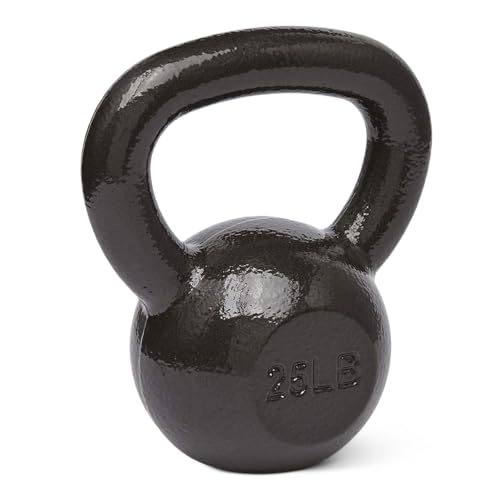
If you want something simple that actually works, this is one of the most effective tools I’ve used to build strength, conditioning, and endurance without needing a full gym setup.
- Full-body training with one weight using swings, squats, and presses
- Solid cast iron build that feels stable and lasts for years
- Comfortable grip that makes high-rep workouts easier to handle
When working on set, Hopper faces days that start at 7 AM and often don’t end until 8 or 9 PM. Some roles, like his work on Umbrella Academy, required arriving two hours early for prosthetics application.
So that day will likely end somewhere between 8 and 9 maybe. So I will try and plan my eating around that and knowing what time I need to be in bed to be able to get up at like 4:00 4:30 to get up and train before my pickup at say 5:36.
His solution? Wake up at 4:00 or 4:30 AM to squeeze in training before the workday begins.
Character-Specific Training Philosophy
Hopper doesn’t follow generic workout programs. Instead, he designs training protocols based on what his character would realistically do.
For his role as Rafe, a Navy SEAL in Terminal List, Hopper recognized the character would need functional strength combined with endurance capabilities. A bodybuilder’s physique wouldn’t make sense for someone in special operations.
So that’s basically what I do. I go, okay, well, he would train like this. So, I put that into a regime. So I do a mix of those kind of exercises.
This approach creates authenticity while ensuring his body matches character demands. It also keeps training varied and purposeful rather than monotonous.
Minimum Effective Dose: Quality Over Quantity
Despite brutal schedules, Hopper aims for 45-minute training sessions whenever possible. He prioritizes consistency over marathon workouts.
If you want something simple that actually works, this is one of the most effective tools I’ve used to build strength, conditioning, and endurance without needing a full gym setup.
- Full-body training with one weight using swings, squats, and presses
- Solid cast iron build that feels stable and lasts for years
- Comfortable grip that makes high-rep workouts easier to handle
So if you as long as you’re getting, you know, four or five sessions in a week, depending on what your goal is, from an aesthetic point of view, then you’re good.
Four to five quality sessions weekly proves sufficient for maintaining performance and aesthetics. This contradicts the “more is better” mentality many fitness enthusiasts follow.
Weekends without filming provide opportunities for longer, more intensive training sessions. Strategic planning around work schedules becomes essential rather than hoping to find time spontaneously.
Hollywood’s Unspoken Physical Expectations
Hopper acknowledged that expectations exist, particularly for actors known for maintaining excellent shape. Once audiences associate someone with fitness, maintaining that reputation becomes part of career management.
So, if people think, “Oh, yeah, he’s always in great shape,” and then he has a shirtless scene, you expect him to turn up in great shape.
Early in his career, Hopper would get in shape for roles, then relax completely during breaks. This backfired when last-minute opportunities arose requiring shirtless scenes.
After scrambling to prepare with only three weeks’ notice, he learned to maintain baseline conditioning year-round. Staying moderately lean became easier than dramatic cutting cycles.
Dietary Flexibility Based on Training Demands
Hopper’s nutrition strategy shifts based on character requirements and training intensity. He’s experimented with everything from carnivore diets to higher-carbohydrate approaches.
If you want something simple that actually works, this is one of the most effective tools I’ve used to build strength, conditioning, and endurance without needing a full gym setup.
- Full-body training with one weight using swings, squats, and presses
- Solid cast iron build that feels stable and lasts for years
- Comfortable grip that makes high-rep workouts easier to handle
For functional, endurance-focused roles like his Navy SEAL character, he increased carbohydrate intake significantly to fuel high-intensity training sessions.
A Typical Training Day’s Nutrition
Hopper typically trains fasted first thing in the morning after coffee, relying on glycogen stored from the previous night’s dinner.
Post-workout meal (8-9 AM):
- Steak
- Couple of eggs
- Assorted fruits including blueberries, raspberries, banana, apple, and kiwis
Lunch:
- Rice with ground beef or chicken breasts
Rather than obsessively counting calories, Hopper relies on intuition developed through experience. He adjusts based on energy levels and how his body responds.
I tend to not count calories. I tend to go on what I feel I need and what feels good. So if I’m feeling fueled for the day, I just stick by that.
When transitioning between dietary approaches, he makes gradual changes—lowering fats when increasing carbohydrates, for example—to maintain leanness while optimizing energy.
If you want something simple that actually works, this is one of the most effective tools I’ve used to build strength, conditioning, and endurance without needing a full gym setup.
- Full-body training with one weight using swings, squats, and presses
- Solid cast iron build that feels stable and lasts for years
- Comfortable grip that makes high-rep workouts easier to handle
The Psychology of Consistent Discipline
Perhaps Hopper’s most valuable insight involves his mental approach to social situations and temptation. Instead of relying on willpower, he questioned his assumptions about what experiences required.
I always used to ask myself the question, why do I need if I can go see that mate? I’m asking myself why do I need to have the pint with that mate? Can I go and have something else that’s not alcoholic?
He tested whether he could enjoy full nights out with friends without drinking. The discovery that he could—and felt better the next day—created positive reinforcement.
Feeling good became habitual. Waking up ready to train replaced waking up depleted. The cycle reinforced itself naturally rather than requiring constant mental battles.
Building Better Defaults
Hopper’s approach demonstrates that discipline isn’t about superhuman willpower. It’s about creating systems where healthy choices become default behaviors.
By experiencing the benefits firsthand—better sleep, consistent energy, readiness for opportunities—maintaining standards became easier than breaking them.
Practical Applications for Non-Actors
Most people won’t face 14-hour workdays with 4 AM training sessions. However, Hopper’s principles apply universally:
If you want something simple that actually works, this is one of the most effective tools I’ve used to build strength, conditioning, and endurance without needing a full gym setup.
- Full-body training with one weight using swings, squats, and presses
- Solid cast iron build that feels stable and lasts for years
- Comfortable grip that makes high-rep workouts easier to handle
- Plan training around actual schedule constraints rather than ideal scenarios
- Maintain baseline fitness year-round instead of dramatic bulk-cut cycles
- Match nutrition to activity demands rather than following rigid protocols
- Question assumptions about what social experiences require (alcohol, unhealthy foods)
- Focus on how choices make you feel the next day, not just immediate gratification
- Aim for 4-5 quality training sessions weekly rather than perfect daily execution
The actor’s approach emphasizes sustainability over perfection. Consistency with imperfect execution beats sporadic perfection every time.
His willingness to adjust dietary strategies based on changing demands shows flexibility within structure—understanding principles deeply enough to modify tactics while maintaining overall standards.
For anyone struggling with consistency, Hopper’s experience offers encouragement. Even with extraordinary schedule demands, maintaining fitness remains possible through strategic planning, questioning limiting beliefs, and building positive habit loops that reinforce themselves naturally.