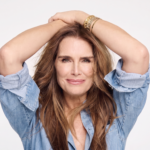
Allison Janney has built a fitness routine that keeps her strong, mobile and energised at 66—and her approach couldn’t be more straightforward.
The actor, who returns to Netflix this Thursday as President Grace Penn in season four of The Diplomat, doesn’t chase perfection or punishing schedules.
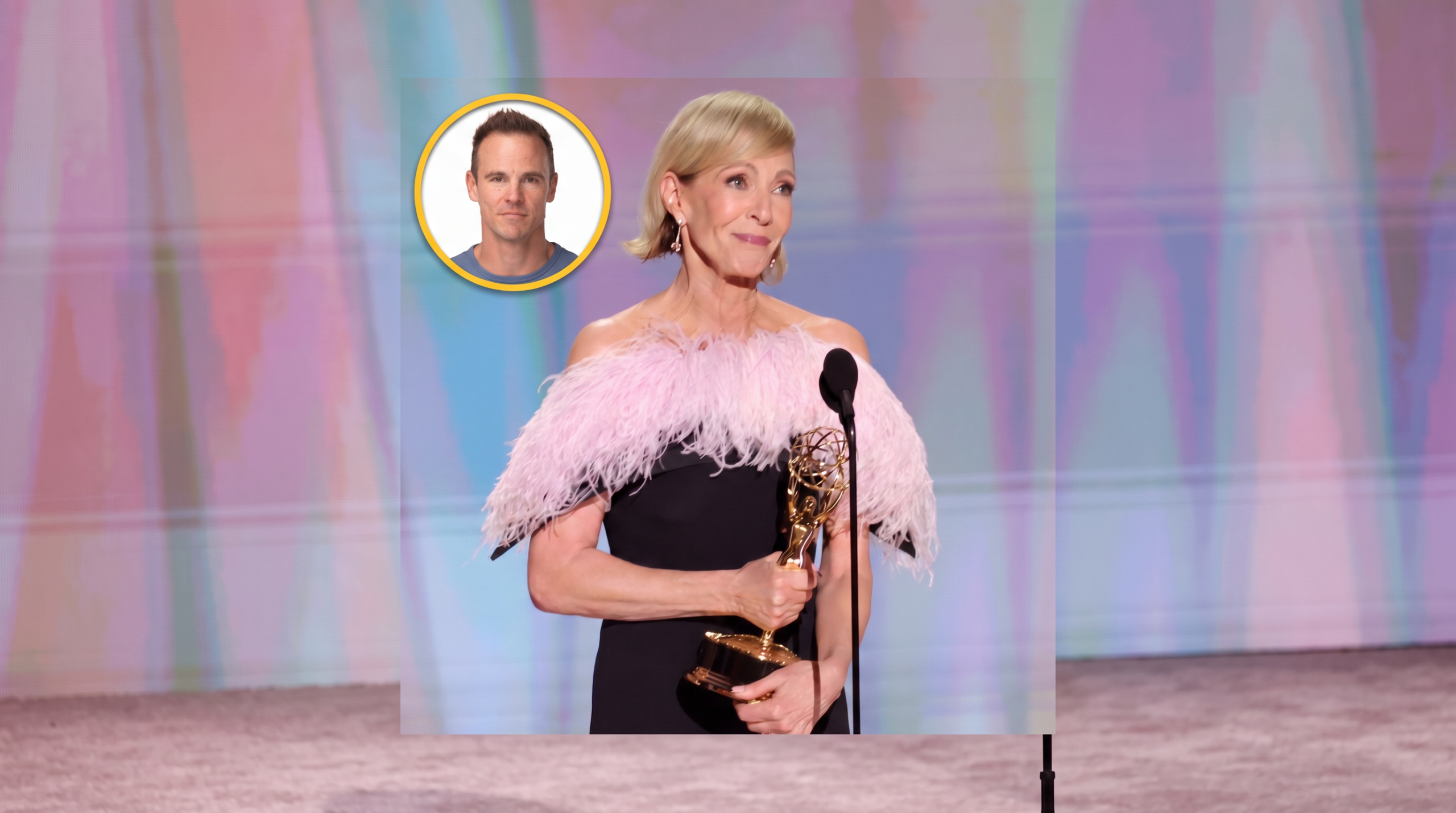
Instead, she focuses on movement that feels good, strength that supports her frame and flexibility when filming allows.
Here’s how she stays in shape—and why her strategy works.
Jump to:
Pilates Four Times a Week Forms Her Foundation
When Janney isn’t on set, Pilates takes centre stage. She aims for four sessions each week, drawn to the way it combines stretching with strengthening.
Pilates is so great.
Standing six feet tall, Janney has said that maintaining strength and mobility matters more with each passing year. She also recognises how resistance training supports bone health as she ages.
That awareness is well-founded. After menopause, women lose bone density more rapidly, and preserving muscle mass becomes essential for long-term function and independence.
Pilates can improve muscular strength, balance, flexibility and core stability—all valuable benefits. However, for optimal bone health, progressive resistance training that challenges muscles with increasing load remains the gold standard.
Pilates alone may not provide sufficient mechanical stress to meaningfully increase bone density, particularly in postmenopausal women at higher risk of osteoporosis.
Still, Janney’s consistency with her Pilates practice lays a strong foundation for movement quality and injury prevention.
She Chooses Activities That Don’t Feel Like Work
Janney doesn’t limit herself to studio sessions. When asked to describe her ideal self-care day, she listed a bath, hike, Pilates, facial, massage and early bedtime.
Hiking features regularly in her routine, offering cardiovascular conditioning and time outdoors without the feel of structured exercise.
She’s also expressed interest in trying jazz dancing, though she admits she hasn’t yet attended a class.
I love anything that’s exercise that doesn’t feel like exercise.
This philosophy—seeking out movement you genuinely enjoy—makes fitness sustainable. When physical activity feels less like obligation and more like recreation, adherence improves dramatically.
Research consistently shows that enjoyment predicts long-term exercise participation more reliably than willpower alone.
Her Nutrition Approach Balances Structure With Flexibility
Janney’s eating habits reflect a similar pragmatism. In a 2020 interview with Women’s Health US, she explained that she generally built meals around protein and vegetables, having previously lost weight by reducing carbohydrate intake.
But she never claimed to follow rigid rules. She was equally comfortable enjoying chocolate, cocktails or a brownie from the catering table on set.
Her philosophy centred on making good choices consistently, without self-criticism when indulgences happened.
Those comments date back six years, so they shouldn’t be taken as a current snapshot of her diet. Still, combined with her recent remarks about Pilates and hiking, they suggest a balanced, sustainable approach to health rather than extremes.
Why Strength and Mobility Matter More With Age
Janney’s emphasis on strength and mobility aligns with what researchers know about healthy ageing.
Muscle mass naturally declines after age 30, accelerating after 50. Women face additional challenges post-menopause, when oestrogen loss accelerates bone density decline.
Resistance training—especially when progressive—can:
- Increase or maintain muscle mass
- Improve bone mineral density
- Enhance balance and reduce fall risk
- Support metabolic health and insulin sensitivity
- Preserve functional independence
Mobility work, whether through Pilates, yoga or dynamic stretching, helps maintain range of motion and joint health.
Together, strength and mobility training form a powerful combination for longevity and quality of life.
The Power of Finding What Works for You
What stands out most about Janney’s routine isn’t any single exercise choice—it’s her commitment to discovering what she genuinely enjoys and can sustain.
She prioritises Pilates because it feels good and delivers results. She hikes because it keeps her active without monotony. She’s open to trying new things, like jazz dancing, when curiosity strikes.
This mindset removes one of fitness’s biggest barriers: the belief that exercise must be gruelling to count.
Movement doesn’t require suffering. It doesn’t demand perfection or rigid schedules. What matters most is finding activities you’ll actually do, then showing up for them regularly.
For Janney, that means Pilates, hiking and staying curious about new forms of movement. For someone else, it might mean swimming, cycling or dancing in the kitchen.
The exercise that works is the exercise you enjoy enough to repeat.
Key Takeaways From Janney’s Fitness Philosophy
If you’re looking to build a sustainable fitness routine in midlife or beyond, Janney’s approach offers several practical lessons:
- Consistency beats intensity: Four Pilates sessions weekly matter more than occasional heroic efforts.
- Choose enjoyment over obligation: Movement you love becomes easier to maintain long-term.
- Prioritise strength and mobility: Both become increasingly important as you age, supporting bone health, balance and independence.
- Stay flexible—literally and figuratively: Adapt your routine to your schedule, energy levels and interests.
- Balance structure with spontaneity: Having a foundation (like regular Pilates) doesn’t mean you can’t explore new activities.
Janney’s routine isn’t about perfection. It’s about showing up, moving well and finding joy in the process—a strategy that serves health far better than any quick fix ever could.