Catherine Arnston has spent over two decades studying a microscopic organism that existed billions of years before humans walked Earth.
In a recent podcast appearance, she explained why she believes algae—specifically spirulina and chlorella—holds the key to preventing age-related decline.
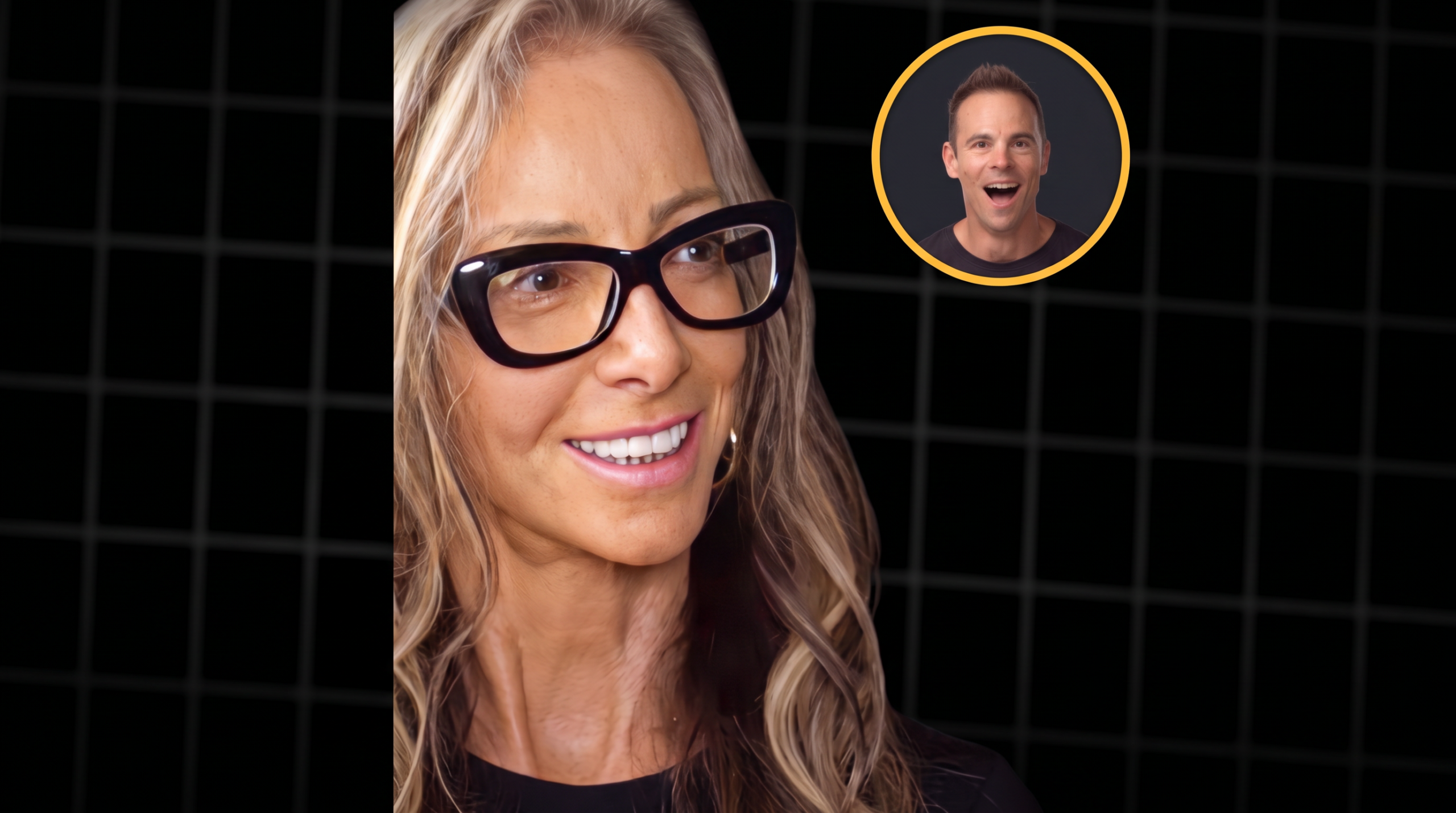
Her passion isn’t theoretical.
At nearly 70 years old, Arnston demonstrates cognitive sharpness and energy levels that defy conventional expectations about aging.
Jump to:
- The Mitochondrial Connection: Why Algae Works at the Cellular Level
- Superoxide Dismutase: The Antioxidant Most People Have Never Heard Of
- Phycocyanin: The Blue Pigment That Acts Like Cellular Intelligence
- Why Your Vegetables Aren’t as Nutritious as You Think
- Chlorella’s Role: The Body’s Natural Detoxifier
- The Dosing Strategy: How Much Do You Actually Need?
- Why Growing Location and Processing Methods Matter
- The Brain-Protecting Benefits: More Than Just Energy
- The Historical Context: From World War II to NASA
- Living Proof: Redefining What 70 Looks Like
- Practical Implementation: Making Algae Part of Daily Life
- The Future of Food: Efficiency and Sustainability
- The Bottom Line: Simple Solutions for Complex Problems
- Sources
The Mitochondrial Connection: Why Algae Works at the Cellular Level
Every cell in your body contains mitochondria—tiny powerhouses that generate the energy you need to think, move, and live. These cellular engines have an evolutionary relationship with algae that dates back roughly two billion years.
Mitochondria evolved from bacteria that consumed algae in ancient oceans. This historical connection helps explain why certain compounds in algae work so effectively in human cells today.
Arnston explained the fundamental difference between the two types of microalgae she champions:
Spirulina is what puts nourishment in. Chlorella pulls toxins out.
This complementary action addresses two critical challenges facing modern bodies: nutrient depletion and toxic accumulation.
Superoxide Dismutase: The Antioxidant Most People Have Never Heard Of
One of spirulina’s most powerful components is an enzyme called superoxide dismutase, commonly abbreviated as SOD.
Your body naturally produces this critical antioxidant, but production declines sharply after age 30. By the time you reach 40 or 50, levels have dropped significantly.
SOD protects mitochondria from damage caused by free radicals—unstable molecules generated during normal energy production. When free radicals accumulate faster than your body can neutralize them, inflammation builds silently for years before symptoms appear.
Research has linked SOD deficiency to numerous age-related conditions, though the evidence is more complex than sometimes presented. Studies have found associations between oxidative stress and conditions like Alzheimer’s disease and cardiovascular problems, but direct causal relationships and the effectiveness of SOD supplementation remain areas of ongoing investigation.
The challenge? SOD is sensitive to heat and stomach acid, which means most supplements deliver little active enzyme to your cells.
Arnston emphasized that spirulina’s cell structure allows SOD to survive digestion intact:
Spirulina is a bacteria and so it has no cellulose wall. So it gets into your system very quickly.
This rapid absorption means the SOD reaches mitochondria before breaking down—at least in theory. More research would help confirm optimal dosing and bioavailability in different populations.
Phycocyanin: The Blue Pigment That Acts Like Cellular Intelligence
Spirulina’s distinctive blue-green color comes from phycocyanin, a pigment with remarkable properties at the cellular level.
Inside healthy mitochondria, phycocyanin interacts with a molecule called cytochrome C—part of the electron transport chain that generates cellular energy. Arnston described the relationship using a memorable analogy:
Think of that cytochrome C molecule kind of like a Ferrari. Phycocyanin is the key to the Ferrari.
In healthy cells, phycocyanin accelerates energy production. In damaged or senescent cells, however, it appears to trigger a different response—initiating programmed cell death by ejecting cytochrome C.
This selective action has attracted attention in cancer research. Some chemotherapy protocols now incorporate phycocyanin because of its apparent ability to distinguish between healthy and compromised cells.
Research has shown phycocyanin demonstrates anti-angiogenesis properties in laboratory settings, potentially limiting blood vessel formation that feeds tumors. However, most of this research comes from cell studies and animal models. While promising, the translation to human cancer prevention or treatment requires much more clinical investigation.
Why Your Vegetables Aren’t as Nutritious as You Think
Modern agriculture prioritizes appearance and shelf life over nutritional density. Produce travels thousands of miles and sits in warehouses for weeks before reaching grocery stores.
Within 24 hours of harvest, vegetables lose approximately 50% of their nutrient content. By the time you eat that “fresh” spinach or broccoli, much of its nutritional value has degraded.
Arnston pointed out another problem:
75% of the foods Americans consume is ultra-processed. So we know there’s no nutrients in that.
Even people who try to eat healthy face an uphill battle. Soil depletion, early harvesting, and extended storage times mean conventional produce delivers calories and fiber but insufficient micronutrients.
Spirulina and chlorella offer a concentrated alternative. Grown in controlled freshwater environments and dried without high heat, these algae retain their full spectrum of nutrients.
Chlorella’s Role: The Body’s Natural Detoxifier
While spirulina provides concentrated nutrition, chlorella specializes in removing toxins that block nutrient absorption.
Modern life exposes everyone to persistent environmental contaminants:
- Heavy metals (lead, mercury, cadmium, arsenic)
- Glyphosate from agricultural runoff
- Forever chemicals (PFAS) in water and food packaging
- Mold toxins from water-damaged buildings
- Alcohol byproducts that stress the liver
These substances occupy receptor sites on cell membranes, preventing nutrients from entering even when you consume them. It’s like having someone steal your parking spot—if toxins occupy the space, nutrients can’t get in.
Chlorella’s unique cell wall structure binds to heavy metals and other toxins, allowing the body to excrete them through normal elimination channels.
The United Nations utilized chlorella following the Chernobyl nuclear disaster to help address radiation exposure, though specific protocols and effectiveness data from that application remain limited in peer-reviewed literature.
The Dosing Strategy: How Much Do You Actually Need?
Arnston recommends different dosing levels depending on your goals and current health status.
For basic maintenance and prevention:
- 10 tablets daily of spirulina (approximately $1 per day)
- 10 tablets daily of chlorella (approximately $1-2 per day)
For therapeutic purposes or optimal performance:
- 30 tablets of each type (approximately $6 per day total)
Athletes often use higher doses strategically—spirulina before training for energy and focus, chlorella afterward to remove lactic acid and other metabolic waste products.
One notable consideration: spirulina can be taken in unlimited quantities without toxicity concerns, according to decades of use and safety data from various populations.
Why Growing Location and Processing Methods Matter
Not all algae supplements deliver equal benefits. Two factors determine quality: water source and drying technique.
Algae absorbs everything present in its growing environment. Products grown in lakes or oceans may contain contaminants, heavy metals, and pollutants.
High-quality spirulina and chlorella grow hydroponically in pristine freshwater from mountain springs, far from agricultural runoff and industrial pollution.
The drying process presents another critical quality checkpoint. High heat deactivates enzymes like SOD, rendering them biologically inert.
Arnston traveled to Taiwan with a film crew specifically to document the growing and processing methods used for Energy Bits products:
We grow ours in mountain-fed spring water farms. I was there to show people our farms, how we dry it, how we process it without high heat.
This attention to detail preserves the bioactive compounds that make algae effective at the cellular level.
The Brain-Protecting Benefits: More Than Just Energy
Your brain contains more mitochondria per cell than almost any other tissue. This makes it particularly vulnerable to mitochondrial dysfunction and oxidative stress.
Dr. Chris Palmer’s research, detailed in his book Brain Energy, connects mitochondrial health to mental health conditions including depression, anxiety, and PTSD.
Spirulina supports brain function through multiple mechanisms:
- High omega-3 content provides essential fats for brain structure
- SOD protects neurons from oxidative damage
- Phycocyanin enhances mitochondrial ATP production
- B vitamins support neurotransmitter synthesis
For people concerned about head injuries—athletes, military personnel, contact sport participants—having robust antioxidant systems in place before trauma occurs may influence recovery outcomes.
Brain damage from concussions happens partly because swelling cuts off blood flow. When blood returns (reperfusion), the sudden oxygen influx generates massive free radical production. Strong antioxidant reserves can help buffer this oxidative burst.
The Historical Context: From World War II to NASA
Interest in algae as a nutritional powerhouse isn’t new or trendy. Government agencies and research institutions have studied microalgae for over 70 years.
After World War II, concerns about overpopulation and food shortages led the Carnegie Institute and other organizations to investigate chlorella as a protein source. Japanese researchers ultimately succeeded in developing commercial cultivation methods that remain the industry standard.
NASA has studied algae for five decades as a potential food source for long-duration space missions. The combination of complete protein, concentrated nutrients, and efficient growing requirements makes algae ideal for closed-loop life support systems.
The United Nations endorsed spirulina as an answer to world hunger, recognizing its unique combination of nutritional density, protein content, and sustainable cultivation.
Living Proof: Redefining What 70 Looks Like
Catherine Arnston embodies the principles she teaches. Her mental acuity, energy levels, and ability to explain complex biochemistry demonstrate that cognitive decline isn’t inevitable.
She emphasized an important distinction:
Aging is natural. Declining is not. Just because you see people that are decrepit and foggy and tired—that’s not natural. That’s what we see. That’s our baseline. But I want to show there’s another baseline.
The difference between healthy aging and pathological decline comes down to cellular health. When mitochondria function optimally, protected from oxidative stress and supplied with essential nutrients, the brain maintains clarity and the body retains vitality.
Modern society accepts fatigue, brain fog, and physical deterioration as normal parts of aging. This acceptance reflects our toxic environment and depleted food supply more than biological inevitability.
Practical Implementation: Making Algae Part of Daily Life
The simplest approach combines spirulina and chlorella in tablet form. Energy Bits offers a pre-mixed blend that provides both types in optimal ratios.
Timing strategies for maximum benefit:
- Before exercise: Spirulina for energy and focus
- After exercise: Chlorella to remove lactic acid and metabolic waste
- Before biohacking sessions: Spirulina to enhance red light therapy, sauna, or cold exposure benefits
- After biohacking: Chlorella to eliminate released toxins
- Daily baseline: Both types for comprehensive cellular support
For people who dislike the taste, tablets offer a convenient solution—simply swallow without tasting. Those who enjoy the flavor can chew them or add powdered versions to smoothies.
The Future of Food: Efficiency and Sustainability
Algae cultivation produces more nutritional value per unit of space and energy than any other food source.
As concerns about food security, environmental impact, and agricultural sustainability intensify, algae offers solutions that conventional farming cannot match.
Companies already use algae in unexpected applications:
- Athletic shoes (Adidas and Puma) use algae-based materials
- Food packaging that biodegrades within 25 days
- Animal feed that reduces methane emissions
- Fish farming that eliminates acidic waste problems
Arnston envisions large-scale algae farms in Florida, leveraging the same climate conditions that make Taiwan ideal for cultivation. Such facilities could enhance American food security while reducing dependence on nutrient-depleted conventional agriculture.
The Bottom Line: Simple Solutions for Complex Problems
Modern health challenges—chronic inflammation, cognitive decline, energy depletion, toxic burden—stem largely from mitochondrial dysfunction.
Spirulina and chlorella address these issues at their source. One provides concentrated nutrition that mitochondria evolved to utilize. The other removes toxins that prevent nutrients from reaching cells.
Together, they create an environment where cellular energy production can operate as nature designed—efficiently, cleanly, and sustainably.
The evidence supporting their use spans 75 years of research, from Otto Warburg’s Nobel Prize-winning cancer work to current NASA studies. Institutions ranging from the United Nations to elite athletic teams recognize their value.
Yet most people remain unaware that such concentrated nutrition exists, much less that it can be obtained from a microscopic organism that predates human evolution by billions of years.
Catherine Arnston’s book Love Your Health to Bits with Algae releases in January, offering comprehensive guidance on incorporating these ancient foods into modern life. Her 25 years of obsessive research and personal experience provide a roadmap for anyone seeking to optimize cellular health and redefine aging.
At nearly 70, with the cognitive sharpness of someone decades younger, she represents what’s possible when you provide your body the tools it needs to maintain mitochondrial excellence.
Sources
- Palmer, C. (2022). Brain Energy
- NASA Technical Reports Server – Spirulina as a food source for long-duration space missions
- United Nations endorsement of spirulina for addressing malnutrition
- Carnegie Institute post-WWII research on chlorella protein production