Brooke Shields has built a fitness routine that proves you don’t need hours in the gym to see real results.
The 61-year-old actor recently shared that adding just ten minutes of cardio after her Pilates sessions has been transformative for reducing body fat.
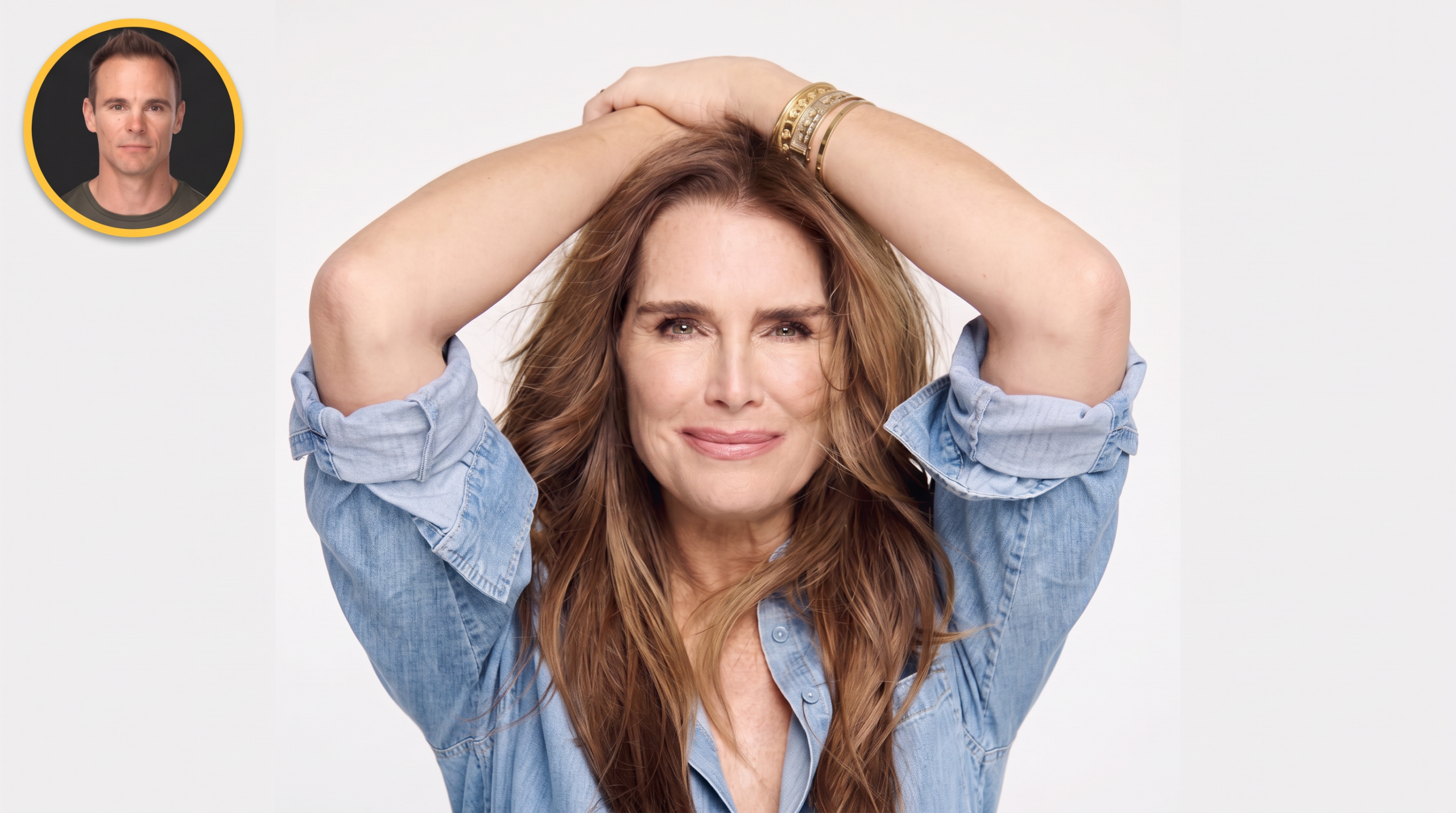
Her approach combines low-impact strength work with short bursts of heart-pumping movement, and she credits this simple addition for helping shift stubborn belly fat.
Even better? She’s finally found exercise she genuinely enjoys rather than viewing it as punishment.
Jump to:
- The Ten-Minute Cardio Rule That Changed Everything
- Why Short Cardio Sessions Actually Work
- Her Go-To Cardio Choices: Rowing and SoulCycle
- The Pilates Foundation: Why Shields Swears By the Nofar Method
- From Punishment to Pleasure: Her Mindset Shift
- The Role of Recovery and Listening to Your Body
- Practical Takeaways: How to Apply Shields’ Approach
- The Power of Small, Sustainable Changes
The Ten-Minute Cardio Rule That Changed Everything
Speaking to Today, Shields explained her streamlined approach to fitness that delivers visible results without demanding huge time commitments.
That, combined with drinking less, and then doing a cardio of some kind, like a SoulCycle class or a rower with music – do 10 minutes. Even just that, I’ll start to see results.
The key isn’t intensity or complexity. It’s consistency paired with movements that feel good.
Shields specifically mentioned that this brief cardio addition helped her tackle changes in body composition that come with age. She joked about how fat distribution shifts over time, noting it used to settle in different areas but now appears more around her midsection.
Why Short Cardio Sessions Actually Work
Ten minutes might sound too brief to matter, but research supports the effectiveness of short, focused cardio bursts, especially when layered onto strength training.
High-intensity intervals elevate your heart rate quickly, triggering metabolic responses that continue even after you’ve finished exercising. This phenomenon, often called the “afterburn effect,” means your body keeps burning calories post-workout.
Combining resistance work like Pilates with cardiovascular movement creates a balanced stimulus. Pilates builds strength and stability, while cardio challenges your heart and lungs, improves circulation, and accelerates fat oxidation.
The brevity also makes it sustainable. Many people abandon fitness routines because they feel overwhelming or time-consuming. A ten-minute commitment removes that barrier entirely.
Her Go-To Cardio Choices: Rowing and SoulCycle
Shields doesn’t force herself through exercises she hates. Instead, she gravitates toward options that feel energizing and fun.
Rowing is particularly effective because it engages nearly every major muscle group while delivering serious cardiovascular benefits. It’s low-impact, so it’s gentle on joints, yet delivers high returns in terms of calorie burn and strength building.
Adding music transforms the experience, making those ten minutes fly by while keeping motivation high.
SoulCycle, a rhythm-based indoor cycling class, offers a similar blend of cardio intensity and enjoyment. The combination of music, movement, and community creates an experience that feels less like “working out” and more like an energizing ritual.
The Pilates Foundation: Why Shields Swears By the Nofar Method
Before adding her ten-minute cardio sessions, Shields builds a foundation with Pilates—specifically, classes from the Nofar Method.
I never liked Pilates before.
But the Nofar approach changed her perspective entirely. She appreciates that it’s intensely specific in its targeting of muscles, leaves her dripping with sweat, yet involves zero high-impact movements that might aggravate old injuries.
The method emphasizes precision, control, and flowing sequences that challenge stability and core strength. For someone who has dealt with physical setbacks, this low-impact intensity is ideal.
Shields attends these classes four to five times per week, mixing Pilates with other forms of strength and stretching work.
From Punishment to Pleasure: Her Mindset Shift
Perhaps the most powerful element of Shields’ fitness evolution isn’t the specific exercises—it’s her relationship with movement.
As she approached 59, she noticed how quickly her body would lose conditioning and how much harder it became to regain fitness. But rather than doubling down on punishing workouts, she pivoted toward enjoyment.
The big thing for me is I’m now finding things that I actually really enjoy doing rather than just beating myself up in the gym so that I can fit into something, because it’s so demoralising to me and it’s so frustrating.
This mindset shift is critical for long-term adherence. Exercise fueled by shame or obligation rarely sticks. But movement chosen for how it makes you feel—energized, strong, capable—becomes something you look forward to.
She told Women’s Health US that she now positions herself to anticipate how she’ll feel during and after exercise, not just the end result.
I’ve done a lot of damage to my body. So now, I really put myself in a position to look forward to how I’m going to feel – not just after, but during.
The Role of Recovery and Listening to Your Body
Shields’ emphasis on low-impact work reflects a deeper wisdom about recovery and longevity in fitness.
High-impact activities—running, jumping, heavy lifting—can deliver results but also accumulate wear and tear on joints, tendons, and connective tissue. As we age, recovery takes longer, and the risk of injury increases.
Choosing exercises that challenge your cardiovascular system and muscles without pounding your joints allows you to train consistently without constant setbacks. This is especially important if you’ve dealt with injuries in the past, as Shields has.
Her routine balances intensity with care, ensuring she can show up for workouts week after week without burning out or breaking down.
Practical Takeaways: How to Apply Shields’ Approach
You don’t need celebrity trainers or boutique studios to replicate the core principles of Shields’ routine. Here’s how to adapt her strategy:
- Start with low-impact strength work. Pilates, yoga, resistance bands, or bodyweight exercises build foundational strength without stressing joints.
- Add ten minutes of cardio. After your strength session, choose something that elevates your heart rate. Rowing, cycling, brisk walking, jumping jacks, or dancing all work.
- Pick movements you enjoy. If you hate running, don’t run. Find what feels good and sustainable for you.
- Focus on consistency over perfection. Four to five sessions per week, even if brief, will deliver far better results than sporadic marathon workouts.
- Listen to your body. If something hurts or feels wrong, adjust. Fitness should energize you, not break you down.
The Power of Small, Sustainable Changes
Shields’ routine is a masterclass in sustainable fitness. She’s not chasing extremes or quick fixes. Instead, she’s built a practice that fits her life, respects her body’s needs, and delivers steady progress.
Ten minutes of cardio might seem modest, but when stacked onto regular strength work and paired with lifestyle adjustments like moderating alcohol, those small choices compound into significant results.
Her journey also highlights the importance of evolving your fitness approach as you age. What worked in your twenties might not serve you in your fifties or sixties. Adapting with intention—choosing lower-impact options, prioritizing enjoyment, and focusing on how you feel—ensures fitness remains a source of vitality rather than frustration.
At 61, Shields is proof that fitness doesn’t have to mean suffering. It can be joyful, efficient, and deeply rewarding when approached with curiosity and self-compassion.