When Dr. Kevin Ham discovered he had a 77% blockage in one of his coronary arteries this past summer, he faced a daunting reality.
Most doctors told him reversing heart plaque was impossible.
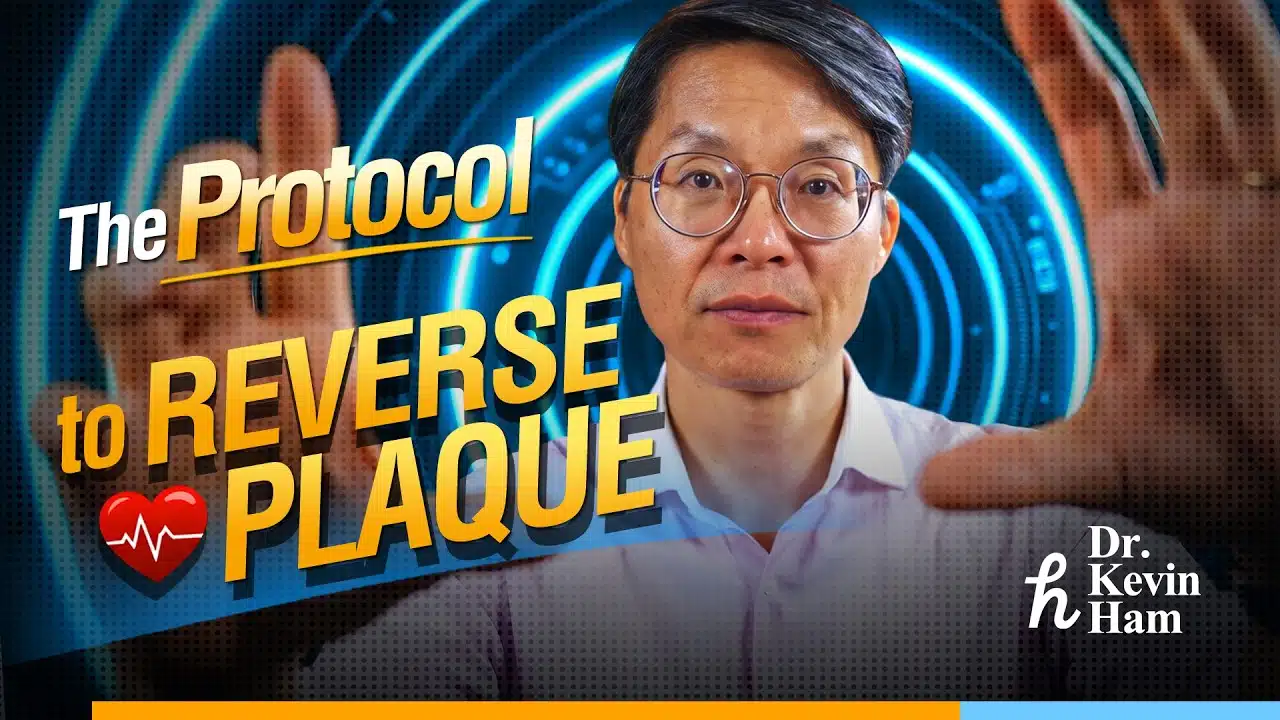
But the Vancouver-based physician wasn’t ready to accept that answer—and what he developed might change how we think about cardiovascular disease.
His approach, called the CAST Protocol, draws from an unexpected source: how bones heal after fractures.
Jump to:
The Bone-Healing Revelation That Changed Everything
Dr. Ham’s breakthrough came from observing orthopedic medicine. When someone breaks a leg bone, hospitals immediately cast it to protect the injury from further stress.
The body then naturally heals over approximately three months, often making the fracture site stronger than before—if properly rehabilitated.
If you think about a broken bone in the leg, what’s the first thing that you do when you go to the hospital? They will cast it. They will protect it from the stress. And after the first 3 months, that crack in the bone, the fracture becomes even stronger if you strengthen it, train it, and rehabilitate it. That became the model for me to develop what I call a cast protocol.
This observation became his framework for addressing arterial plaque—protect, heal, strengthen.
Why Heart Disease Demands Immediate Attention
Heart disease remains the number one killer worldwide, yet many people remain unaware they’re at risk until it’s too late.
Dr. Ham started noticing alarming patterns among friends and family. Once they underwent screening exams like carotid ultrasounds or heart calcium scans, verifiable plaque appeared in neck and heart arteries—whether patients were 40, 50, 60, or 70 years old.
Statistics reveal that 40-50% of males already have arterial plaque by age 40-50. Women develop these issues approximately a decade later, with average heart attack ages being 61 for men and 71 for women.
Consider that coronary arteries measure only 3-6 millimeters in diameter—smaller than a drinking straw. Just 1-3 millimeters of plaque becomes significantly problematic.
Understanding Oxidized Cholesterol: The Real Culprit
Not all cholesterol poses equal danger. Dr. Ham emphasizes that oxidized cholesterol specifically causes arterial damage.
What is oxidized cholesterol? It’s like nails rusting. So when the cholesterol rusts or oxidizes, it starts damaging the blood vessels and then the body starts to try to repair itself and creates these plaques or clots that then build up over time.
Over decades, soft plaque hardens into calcified deposits—essentially becoming stone-like or tooth-like structures inside vessels. These unstable plaques can rupture, causing blood clots that trigger heart attacks.
Counterintuitively, most heart attacks originate from early unstable plaques rather than severely blocked arteries.
The CAST Protocol Explained
Dr. Ham created an acronym to make his protocol memorable and actionable. Each letter represents a critical component of cardiovascular healing.
C: Cut the Causes
Prevention forms the foundation. Removing disease causes stops progression—even if disease already exists.
Primary causes to eliminate:
- Smoking
- Uncontrolled diabetes
- High blood pressure
- Elevated cholesterol levels
- Foods that promote oxidized cholesterol
If you remove the things that cause a disease, you won’t get the disease. If you already have a disease and you remove the cause of you getting that disease, it will stop the progression of that disease.
A: Add the Cures
Supporting vessel repair requires strategic nutritional additions. Dr. Ham focuses on foods that help remove cholesterol deposits and heal arterial damage.
Key additions include:
- Nuts that support vascular health
- Leafy green vegetables at every meal
- Nitric oxide-boosting foods that allow blood vessels to expand
Nitric oxide proves particularly crucial. When blood vessels can expand despite partial obstruction, proper blood flow continues—and blood flow in the heart is life.
Complete obstruction kills heart tissue within minutes. After 12 minutes without blood flow, irreversible heart attack damage occurs—similar to how brain cells die after four minutes without oxygen.
S: Strengthen Your System
Three pillars support systemic strengthening and vascular repair:
- Sleep: Aim for 7-8 hours nightly
- Stress reduction: Lower cortisol levels that damage vessels
- Movement: 10-30 minutes of cardiovascular exercise daily
These interventions allow healing compounds to circulate throughout the entire body—not just the heart, but every cell requiring blood vessel support.
T: Train Your Mind and Body
Consistency trumps perfection. Daily repetition allows the body’s remarkable healing capacity to work.
What happens if you walk on a casted leg every day? It doesn’t heal. It doesn’t heal as fast. And if you walked on it every second day, it will heal a little faster. If you didn’t walk on it for a week, it’ll even heal even faster.
Dr. Ham emphasizes that mindset determines success. Believing reversal is impossible creates a self-fulfilling prophecy.
Just as fractured bones completely heal in three months, cardiovascular tissue possesses extraordinary regenerative powers when given proper conditions.
Early Warning Signs Often Ignored
Dr. Ham discovered that arterial blockages affected him systemically before cardiac symptoms appeared.
Ringing in ears, hearing loss, and vision deterioration all preceded his coronary artery diagnosis—evidence that blockages were already restricting blood flow to sensory organs.
The first signs actually what I realize now is ringing in my ears preceded even blocking of my arteries in my heart. It was already blocking the arteries in my ears, in my eyes.
While ear and eye blockages cause disability, heart and brain blockages prove fatal through heart attacks and strokes.
Getting Started: One Change at a Time
Dr. Ham recommends beginning with one element from the CAST Protocol rather than attempting complete lifestyle overhaul.
Simple starting points:
- Eliminate one harmful food
- Add leafy greens to every meal
- Prioritize 7-8 hours nightly sleep
- Incorporate 10-20 minutes daily cardio
- Practice stress-reduction techniques
Small, consistent actions compound over time. The protocol doesn’t demand perfection—just persistence.
The Evidence for Reversal
Dr. Ham successfully reversed plaque in his neck arteries within three months. Heart vessel plaque poses greater challenges, particularly calcified deposits.
His initial focus targets soft plaque reduction while research continues into calcified plaque reversal. Despite medical colleagues claiming impossibility, published studies demonstrate plaque reversal is achievable.
The timeline simply extends beyond three months for coronary arteries.
Why This Matters for Everyone
Heart disease affects nearly everyone eventually, either personally or through loved ones. As the global leading cause of death, cardiovascular health deserves priority attention.
Dr. Ham urges people to undergo screening—carotid ultrasounds and cardiac calcium scans reveal existing plaque before symptoms emerge. Early detection enables intervention when reversal proves easiest.
The CAST Protocol offers an accessible framework grounded in the body’s natural healing capacity. By protecting arteries from further damage, adding repair-supporting nutrients, strengthening overall health, and maintaining consistent habits, cardiovascular healing becomes possible.
Just as broken bones emerge stronger after proper casting and rehabilitation, damaged arteries can heal when given proper conditions and time.