Chris Bumstead, known globally as Cbum, has claimed five consecutive Mr. Olympia Classic Physique titles.
His training approach combines strategic volume, precise technique, and a philosophy built around sustainable muscle development.
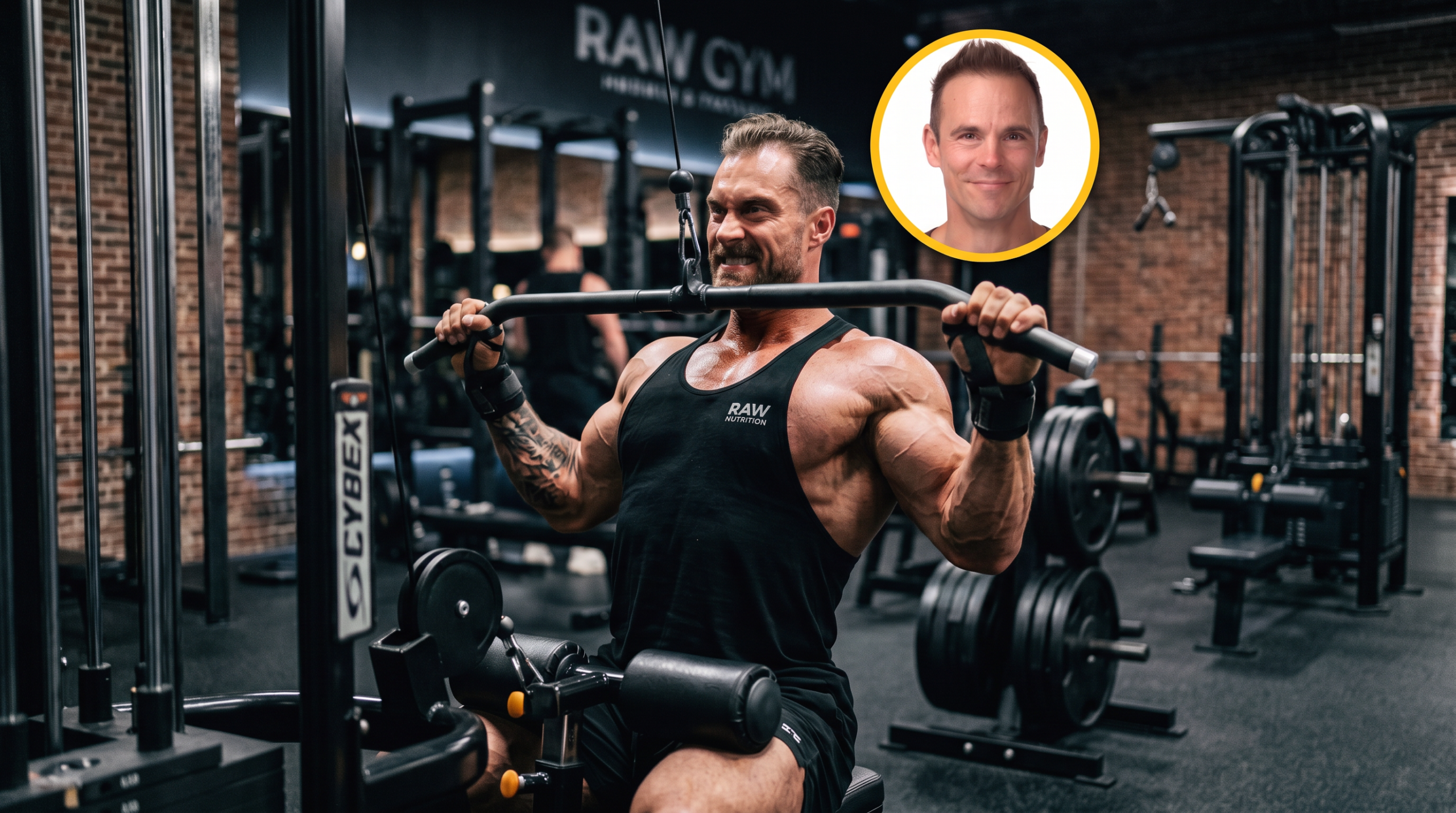
What separates his method from typical bodybuilding programs is the emphasis on longevity and joint health alongside aesthetic perfection.
Understanding the principles behind his training reveals why consistency and intelligent programming matter more than chasing intensity alone.
Jump to:
- The Foundation of Cbum’s Training Philosophy
- Upper Body Training: Chest and Back Emphasis
- Lower Body Development: Building a Classic Physique Base
- Shoulder and Arm Specialization
- Training Intensity and RPE Management
- Nutrition Strategies for Muscle Growth
- Contest Prep Adjustments
- Recovery Protocols and Sleep Prioritization
- Supplement Strategy
- Adapting the Cbum Approach for Natural Lifters
- Common Training Mistakes to Avoid
- Long-Term Sustainability and Health
- Key Takeaways
The Foundation of Cbum’s Training Philosophy
Bumstead’s approach centers on moderate-to-high volume training with controlled intensity. Rather than maxing out constantly, he prioritizes sustainable progression that allows recovery between sessions.
His training splits typically follow a push-pull-legs structure repeated twice weekly, targeting each muscle group with 15-20 working sets per week. This volume aligns with evidence-based hypertrophy recommendations from exercise science literature.
The focus remains on mind-muscle connection—deliberately feeling each muscle work through its full range of motion rather than simply moving weight from point A to point B.
Progressive Overload Without Ego Lifting
Bumstead frequently discusses avoiding “ego lifting” in interviews and social media content. He increases weight only when form remains pristine across all prescribed repetitions.
This patient approach to progression reduces injury risk while maximizing mechanical tension on target muscles. Form breaks down? Drop the weight and rebuild properly.
Upper Body Training: Chest and Back Emphasis
Classic Physique judging rewards balanced upper body development with particular attention to chest width, back thickness, and shoulder-to-waist ratio.
Bumstead structures chest workouts around incline pressing movements to build upper pectoral fullness. Incline dumbbell presses appear consistently in his documented routines, performed for 4-5 sets of 8-12 repetitions.
Back training emphasizes rowing variations—barbell rows, dumbbell rows, cable rows—to build thickness through the mid-back and lats.
Technique Over Load
During back exercises, Bumstead maintains a strict torso position and pulls toward his lower abdomen rather than rushing through reps with momentum.
Control the eccentric phase. That’s where most people lose the gains.
He typically performs 4 working sets of compound rowing movements with 90-120 seconds rest between sets, allowing adequate recovery for subsequent efforts.
Lower Body Development: Building a Classic Physique Base
Despite Classic Physique placing less emphasis on extreme leg mass compared to Open Bodybuilding, Bumstead trains legs with serious dedication twice weekly.
Leg press serves as a primary quad-building movement in his program. He performs these with deep ROM, pushing sets of 12-15 reps while pyramiding weight across 4 working sets.
Romanian deadlifts target hamstrings and glutes, programmed for 3-4 sets of 8-12 controlled repetitions with emphasis on hip hinge mechanics rather than maximal loading.
Joint-Friendly Leg Training
Bumstead has discussed managing IgA nephropathy, an autoimmune condition affecting his kidneys. This influences his exercise selection toward movements that minimize systemic stress.
He avoids extremely heavy barbell squats in favor of leg press variations and hack squats that allow high mechanical tension with less spinal loading and fatigue.
Shoulder and Arm Specialization
Shoulders receive dedicated attention through both pressing and isolation movements. Standing overhead barbell presses build front and side delt mass across 3-4 sets of 6-10 reps.
Lateral raises appear frequently in his programming, often performed with dropsets on the final set to maximize metabolic stress and pump.
- Leading with elbows: Maintains tension on side delts rather than anterior shoulders
- Controlled tempo: 2-second concentric, 2-second eccentric prevents momentum
- Partial ROM at failure: Extends sets beyond full-range failure for additional stimulus
Arm training balances bicep and tricep work with moderate volume. Cable curls for biceps and EZ-bar skullcrushers for triceps appear consistently, each performed for 3-4 sets of 10-15 controlled repetitions.
The Squeeze and Stretch Principle
Bumstead emphasizes maximizing both peak contraction and lengthened positions during arm training. On cable curls, he squeezes hard at full flexion before controlling the negative.
For triceps, he maintains stationary elbows during skullcrushers, allowing full stretch at the bottom before pressing back to lockout.
Training Intensity and RPE Management
Most working sets fall between 7-9 on the Rate of Perceived Exertion scale, meaning 1-3 reps remain in reserve at set completion.
This approach allows consistent training frequency without accumulating excessive fatigue. Training to absolute failure occurs selectively—typically on final sets of isolation exercises rather than heavy compounds.
Research supports this strategy. A 2021 meta-analysis in Sports Medicine found training near failure (1-3 RIR) produces similar hypertrophy to absolute failure while reducing injury risk and recovery demands.
Strategic Deloads
Every 8-12 weeks, Bumstead implements a deload week where volume and intensity drop 40-50%. This allows connective tissues to recover and prevents overtraining syndrome.
During deloads, he maintains training frequency but reduces working sets and stops all sets several reps short of failure.
Nutrition Strategies for Muscle Growth
Bumstead’s off-season nutrition centers on whole, minimally processed foods with calorie intake adjusted based on current body composition goals.
Protein intake remains consistently high—approximately 250-300g daily from sources like chicken breast, lean ground turkey, salmon, eggs, and whey protein supplements.
Carbohydrate intake fluctuates between 400-500g during muscle-building phases, primarily from white rice, sweet potatoes, oats, and fruit. These support training performance and glycogen replenishment.
Fats contribute 80-100g daily from sources including salmon, nuts, avocado, and olive oil, supporting hormone production and nutrient absorption.
Meal Timing and Frequency
Bumstead typically consumes 5-6 meals spread throughout the day, maintaining relatively steady amino acid availability for muscle protein synthesis.
Post-workout nutrition includes fast-digesting whey protein hydrolysate paired with high-glycemic carbohydrates like bananas or rice cakes to capitalize on the training stimulus.
Pre-bed nutrition features slower-digesting casein protein with nuts to provide sustained amino acid release during overnight recovery.
Contest Prep Adjustments
During the 16-20 weeks leading to competition, Bumstead progressively reduces calories while maintaining protein intake and adjusting training volume as recovery capacity decreases.
Carbohydrates drop gradually—sometimes to 200-250g daily—while training volume may decrease 20-30% to accommodate reduced energy availability.
Cardio increases strategically, typically low-intensity steady-state sessions on non-training days or post-workout to create additional calorie deficit without compromising resistance training performance.
Metabolic Adaptation Management
Rather than aggressive calorie cuts, Bumstead favors gradual deficits of 300-500 calories below maintenance, adjusting every 2-3 weeks based on rate of fat loss.
This slower approach helps preserve muscle mass and metabolic rate throughout extended dieting phases. Periodic refeeds—temporary increases in carbohydrate intake—occur weekly during late prep to restore leptin levels and training performance.
Recovery Protocols and Sleep Prioritization
Bumstead emphasizes sleep quality as foundational to his success, targeting 8-9 hours nightly. He maintains consistent sleep-wake times even during off-season to optimize circadian rhythm regulation.
Active recovery includes light cardio, stretching, and mobility work on rest days. He incorporates sauna sessions and massage therapy to manage muscle soreness and promote parasympathetic nervous system activity.
Managing Training Stress
Beyond physical recovery, Bumstead discusses managing psychological stress through meditation, time outdoors, and maintaining relationships outside bodybuilding.
Elevated cortisol from chronic stress impairs recovery and muscle growth. His holistic approach acknowledges that optimal physique development requires managing all stressors, not just training variables.
Supplement Strategy
Bumstead’s supplement regimen focuses on evidence-supported compounds rather than exotic formulations. Core supplements include:
- Whey protein isolate/hydrolysate: Convenient protein source post-workout
- Creatine monohydrate: 5g daily for strength and muscle fullness
- Essential amino acids: Intra-workout during training sessions
- Fish oil: Omega-3 fatty acids for inflammation management
- Vitamin D3: Supports immune function and hormone production
Pre-workout formulas containing caffeine, citrulline, and beta-alanine support training performance, though he cycles off stimulants periodically to maintain sensitivity.
Adapting the Cbum Approach for Natural Lifters
Professional bodybuilders use performance-enhancing compounds that significantly increase recovery capacity and muscle protein synthesis rates beyond natural limits.
Natural lifters should reduce training volume by approximately 30-40% compared to Bumstead’s documented routines. Instead of 15-20 sets per muscle group weekly, 10-15 sets typically represent the sweet spot for natural hypertrophy.
Rest requirements increase for natural athletes. Where Bumstead trains six days weekly, natural lifters often optimize results with 4-5 training days, allowing additional recovery time between sessions.
Realistic Expectations
Achieving Bumstead’s level of muscularity and conditioning naturally is not physiologically possible for the vast majority of individuals, regardless of training and nutrition quality.
However, his emphasis on consistent progressive overload, mind-muscle connection, proper nutrition, and adequate recovery applies universally. These principles drive results whether enhanced or natural.
Common Training Mistakes to Avoid
Attempting excessive volume too quickly represents a primary error when adopting high-volume approaches. Build work capacity gradually over months and years rather than immediately jumping to advanced programming.
Neglecting technique in pursuit of heavier weights undermines long-term progress. Master movement patterns with lighter loads before increasing resistance.
Insufficient protein intake sabotages recovery and hypertrophy regardless of training quality. Natural lifters should target minimum 0.8-1g protein per pound bodyweight daily, with higher intakes during calorie deficits.
Inconsistent training frequency prevents adaptation. Missing workouts regularly or training sporadically produces inferior results compared to moderate programming executed consistently.
Overtraining Red Flags
Watch for persistent fatigue, strength decreases, elevated resting heart rate, mood disturbances, and increased injury susceptibility. These signal inadequate recovery relative to training stress.
When these symptoms appear, implement an immediate deload week or extend rest days rather than pushing through, which risks deeper overtraining syndrome requiring weeks or months to resolve.
Long-Term Sustainability and Health
Bumstead has spoken openly about prioritizing health alongside competitive success, especially given his autoimmune condition. He monitors kidney function regularly and adjusts training stress accordingly.
This perspective distinguishes his approach from more reckless protocols. Sustainable progress requires respecting recovery capacity, managing injury risk, and maintaining health markers within acceptable ranges.
For recreational lifters, this philosophy matters even more. Training should enhance life quality and longevity rather than compromising health for aesthetic outcomes.
The 10-Year Perspective
Bumstead’s physique represents over a decade of consistent training, nutrition, and recovery. Expecting similar development in 6-12 months sets unrealistic expectations that lead to frustration or dangerous shortcuts.
This is a marathon, not a sprint. Trust the process and the results will come.
Patience combined with intelligent programming produces remarkable transformations over years, even if monthly progress appears modest.
Key Takeaways
Chris Bumstead’s training success stems from moderate-to-high volume combined with excellent technique, strategic intensity management, and comprehensive recovery practices.
His nutrition approach emphasizes whole foods, adequate protein intake, and strategic adjustments based on current goals—muscle building or contest preparation.
Natural lifters can apply his core principles—progressive overload, mind-muscle connection, consistent frequency—while adjusting volume and expectations to match natural recovery capacity.
Long-term success requires viewing training as a sustainable lifestyle rather than a short-term intervention. Consistency over years, not months, produces transformative results.
Health monitoring, adequate recovery, and realistic goal-setting protect both physical wellbeing and training longevity, allowing continuous progress across decades rather than burning out after brief periods of excessive stress.