What if you could build an elite-level physique in a concrete box with no equipment, no gym, and no freedom? For Charles Bronson — arguably Britain’s most infamous inmate — this wasn’t a theory.
It was survival.
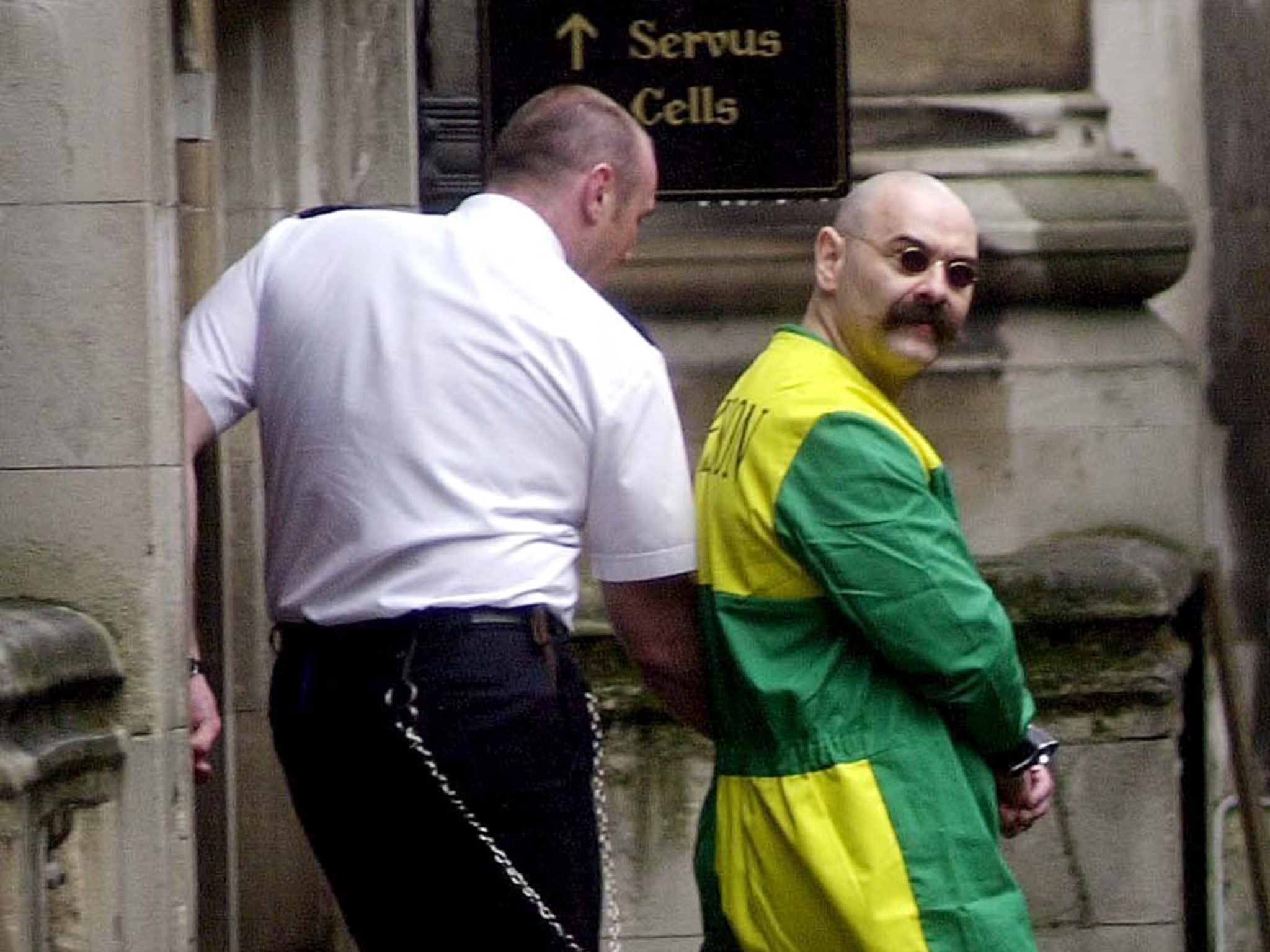
Spending nearly 50 years behind bars, with decades in solitary confinement, Bronson didn’t just train — he obsessed.
Using nothing but bodyweight, grit, and a disturbing level of mental toughness, he forged a body most people would struggle to build with modern equipment.
And now, thanks to his revealing book Solitary Fitness, we know exactly how he did it.
Here’s everything you need to know about the workout that made Bronson a legend — no weights required.
Jump to:
Bronson’s Workout Philosophy: “No Excuses”

Bronson’s approach to training can be summed up in three words: discipline over everything.
“I’m the king of the press-ups and the sit-ups,” he writes. “Once, I did 25 press-ups with two men on my back… I’ve squatted with three men on my shoulders.”
Was that hyperbole? Possibly. But his routine, grounded in relentless calisthenics and progressive overload, is no joke.

He credits his strength to consistency, not complexity.
“Start slow, stay consistent. Never go backwards. Add reps, time, or intensity every week,” he advises.
This principle of progressive overload underpins Solitary Fitness. Each session pushes the limit, with every rep earned through repetition, not machines.
The 8 Exercises Bronson Swears By
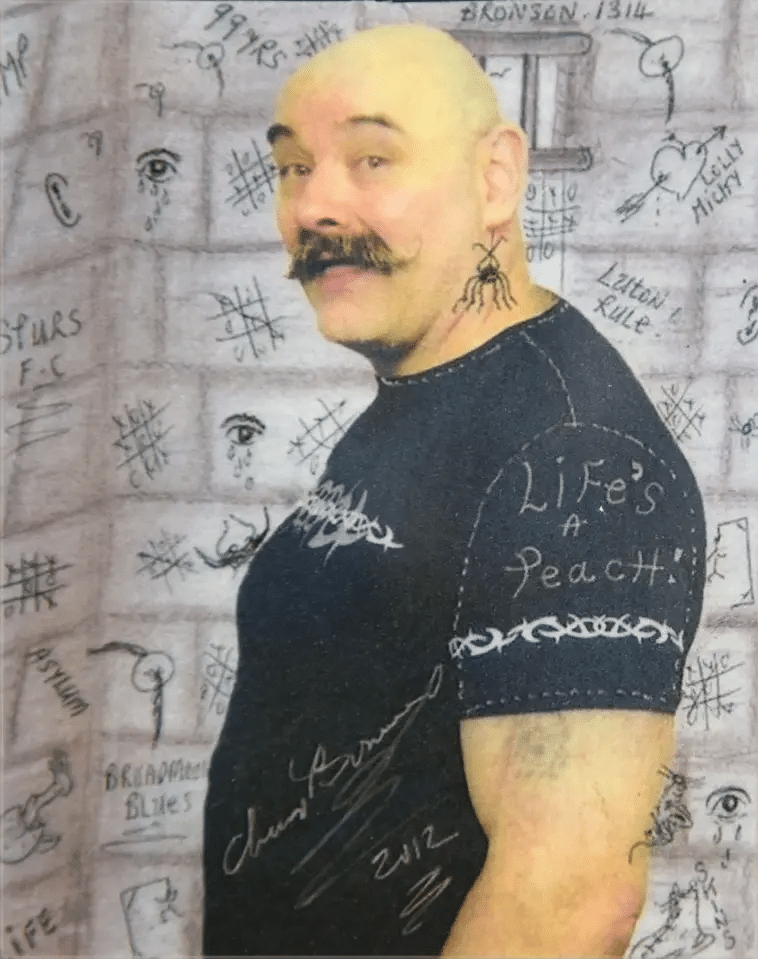
Bronson’s basic movement library includes eight deceptively simple exercises. He recommends beginners aim for 10 reps of each (except the handstand push-ups), building over time.
The Core 8:
- Handstand Press-Up – Against a wall. Controlled descent, explosive press.
- Press-Up – Tight core, elbows in, full range.
- Sit-Up – Focus on form, not speed. Engage the full core.
- Squat – Bodyweight-only or loaded (Bronson-style) with improvised resistance.
- Squat Thrust – Jump in, jump out. Think burpee minus the jump.
- Burpee – Chest to floor, full jump, no half-reps.
- Star Jump – Plyometric cardio finisher. Fast and wide.
- Step-Up – Box, chair, bed — anything sturdy will do.
Notably absent? Pull-ups and dips — but only because most prison cells don’t include a pull-up bar. When possible, Bronson adds these too.
A Day in the Life of Bronson’s Workout Routine
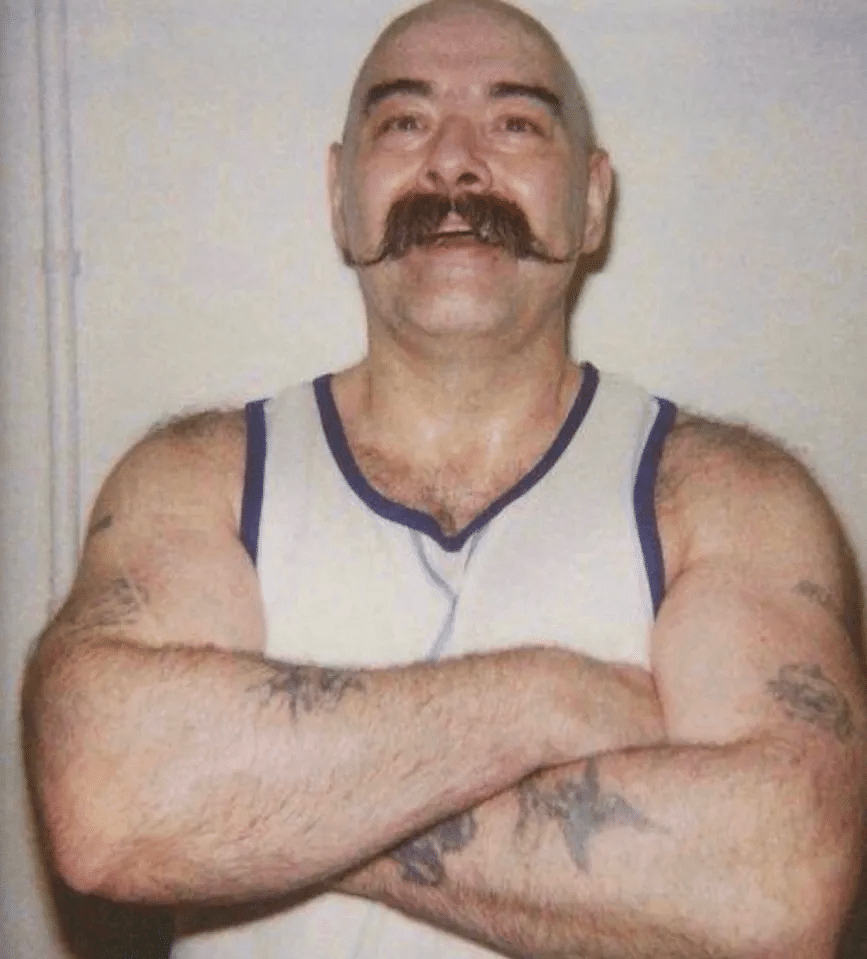
Bronson structured his daily training like a full-time job. Here’s what his “no excuses” program looks like.
Morning Session
- 100 press-ups
- 100 sit-ups or crunches
- 100 squats
- 15–20 mins shadowboxing or jogging on the spot
- Isometric holds (plank, wall sit, mid-push-up)
Afternoon Session
- 100 press-ups
- 100 leg raises
- 100 star jumps
- Full-body stretching and mobility work
Evening Session
- Deep breathing exercises
- More isometrics or slow reps
- Visualization and mental focus
Optional ‘Madman’ Bonus
- Repeat the entire day’s workout 2 more times
- 1,000 press-ups a day
- 2 hours of non-stop shadowboxing
- Single-arm push-up progressions
Bronson’s logic? If you have time to sit, you have time to train.
Beyond the Basics: Advanced Prison Calisthenics
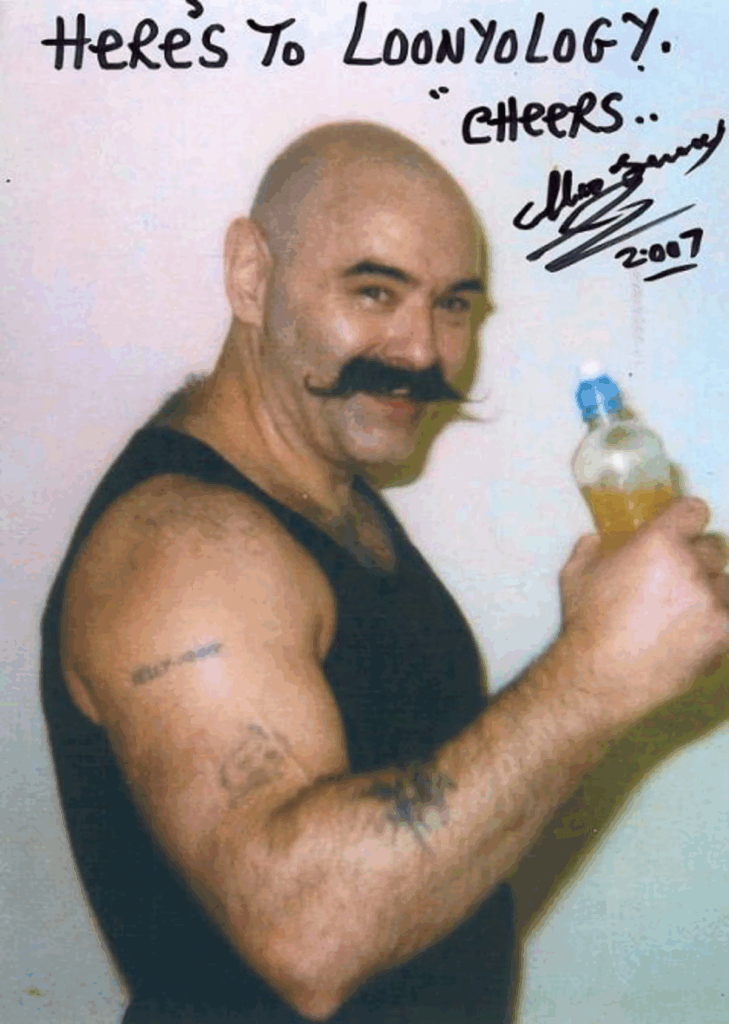
In Solitary Fitness, Bronson details other advanced moves for strength and endurance:
- Dips using two chairs (or his son as weight — seriously)
- Band Pull-Aparts with a towel, vest, or bare hands
- Ab Exhales, a breathing drill that targets the core and lungs
- Butt Clenches, yes, really — Bronson trained everything
- Wide-Grip Pull-Ups (if bars were available)
Each movement was done with intentional slowness and control, emphasizing dynamic tension over brute speed.
“I guarantee a month of dips and you’ll put two inches on your chest,” he claims.
The Bronson Warm-Up
Even locked in a cell, Bronson prioritized warming up properly. His go-to method:
- Dynamic stretches (leg kicks, arm swings, toe touches)
- Jog on the spot (knees high, heels to glutes)
- Tiptoe raises and mobility drills
Duration: 10–30 minutes
Rest: 30 seconds between sets
Sets: Up to 10
This preps the nervous system and prevents injury — even in a bare cell.
Does It Actually Work?
Yes — but with caveats.
Bodyweight training is highly effective for endurance, mobility, core strength, and muscular definition. Bronson’s program focuses heavily on volume, which builds work capacity, mental toughness, and cardiovascular fitness.
That said, if maximum hypertrophy is the goal, equipment or added resistance helps. But Bronson didn’t need a barbell to hit a 136 kg bench press after eight years with no weights. His results speak for themselves.
“I’m 5’11”, 220 lbs, and feel as strong as I did at 21,” he writes. “There’s something deep inside me that pushes me on. I’m a solitary fitness survivor.”
What You Can Learn from Bronson’s Workout
Even if you’re not stuck in solitary, there’s a lot to take from this plan:
- No gym? No problem. Use your body as your tool.
- Consistency > perfection. Daily reps build habits and strength.
- Train mind and body. Breathing, meditation, isometrics matter.
- Work with what you’ve got. A chair, a bed, or even a sock becomes a fitness tool with the right mindset.
And maybe most importantly:
Excuses are a choice. Progress is a discipline.
Final Word
Charles Bronson’s prison workout isn’t about copying every detail — especially not the naked Lurpak confrontations. It’s about embodying a mentality. With focus, discipline, and a refusal to quit, even the most brutal limitations can be transformed into a training ground.
Whether you’re in a cramped apartment or just short on motivation, Bronson’s Solitary Fitness reminds us: the real gym is in your head. Now drop and give him 100.