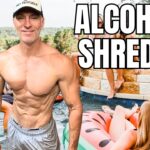
Alcohol and fat loss—it’s a hot topic, especially when summer events fill up the calendar.
Can someone drink and still lose weight? The answer might surprise many dieters who think alcohol automatically kills progress.
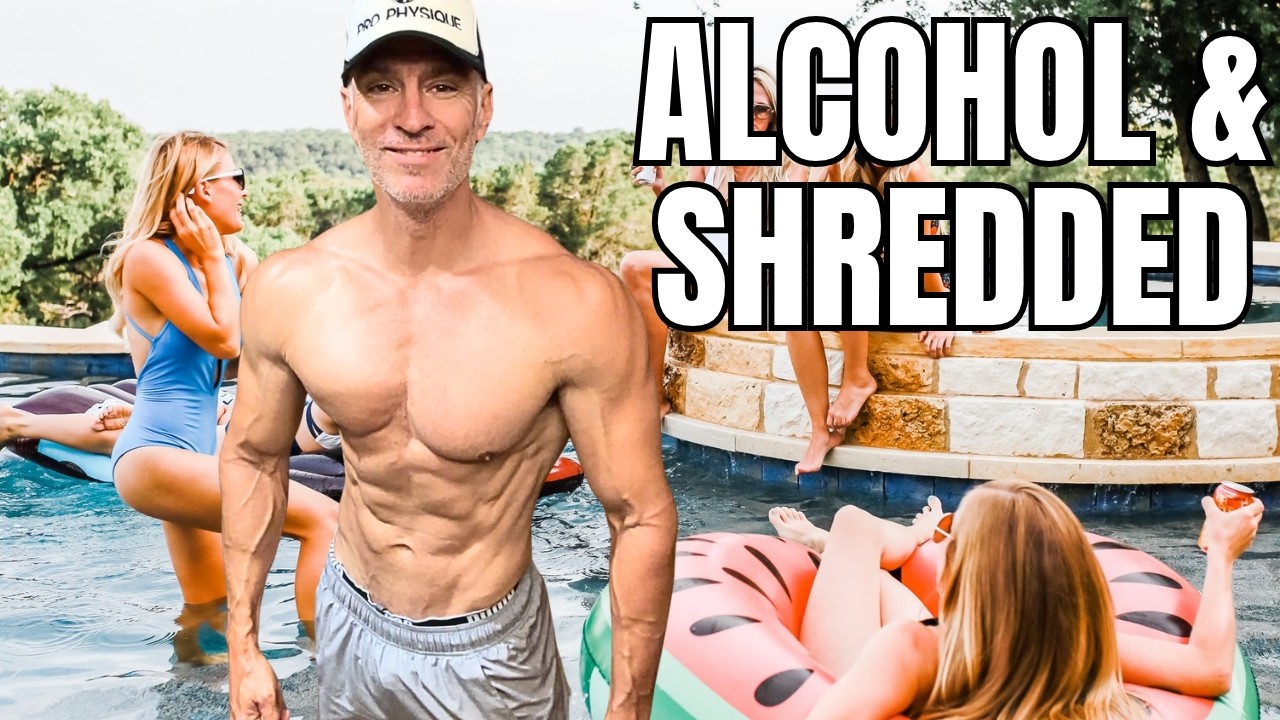
Fitness coach Paul Revelia from prophysique.com recently tackled this exact question, offering practical insights for anyone navigating strict cuts while facing weddings, parties, and social gatherings.
His take? It’s complicated, but not impossible.
Jump to:
The Fat Burning Myth
Many people believe alcohol completely stops fat burning. Revelia challenges this oversimplified view.
One of the things I learned early on in exercise science about physiology is that our bodies are always breaking down fat for fuel. It’s also always storing fat.
The body constantly runs thousands of chemical processes simultaneously. Fat oxidation doesn’t simply switch off like a light.

If you want something simple that actually works, this is one of the most effective tools I’ve used to build strength, conditioning, and endurance without needing a full gym setup.
- Full-body training with one weight using swings, squats, and presses
- Solid cast iron build that feels stable and lasts for years
- Comfortable grip that makes high-rep workouts easier to handle
Yes, alcohol is prioritized as fuel since the body treats it as a toxin. But that doesn’t mean fat loss completely halts—it just becomes less efficient temporarily.
The Real Problem With Drinking
According to Revelia, the biggest issue isn’t alcohol’s seven calories per gram—it’s what happens after those drinks.
Really the issue that I think what there is with alcohol is it loosens our inhibitions.
Picture this: Someone sticks to their strict diet all week. Then comes Saturday night at a wedding.
Two tequila sodas later, that disciplined dieter suddenly finds pizza irresistible. Lowered inhibitions destroy adherence far more than alcohol calories themselves.
A Year Without Alcohol: What Changed
Revelia conducted a personal experiment—an entire year alcohol-free while preparing for a bodybuilding show in his late 40s.
The results were eye-opening, particularly regarding recovery and performance.
If you want something simple that actually works, this is one of the most effective tools I’ve used to build strength, conditioning, and endurance without needing a full gym setup.
- Full-body training with one weight using swings, squats, and presses
- Solid cast iron build that feels stable and lasts for years
- Comfortable grip that makes high-rep workouts easier to handle
I noticed my sleep improved, my recovery improved. And just even those one or two drinks that I would have a couple nights a week would actually kind of deflate me for a few days.
Even moderate drinking—just one or two drinks twice weekly—impacted his recovery for days afterward. Sleep quality suffered. Training performance declined.
These effects become more pronounced with age, something Revelia noticed acutely during his experiment.
Can Alcohol Fit Into Macros?
Despite his personal preference to avoid alcohol during focused training, Revelia doesn’t believe it’s a complete deal-breaker for fat loss.
When you consume alcohol, you can simply track the calories that come from it and fit it into your daily macro goals and you’ll have zero problems. You’ll actually be able to make progress.
The key is accounting for those calories properly. Alcohol contains approximately seven calories per gram—more than carbohydrates or protein, but less than fat.
Often called “the fourth macronutrient,” alcohol needs strategic planning within daily calorie targets.
Smart Drink Choices
Revelia recommends specific strategies for minimizing calorie damage:
If you want something simple that actually works, this is one of the most effective tools I’ve used to build strength, conditioning, and endurance without needing a full gym setup.
- Full-body training with one weight using swings, squats, and presses
- Solid cast iron build that feels stable and lasts for years
- Comfortable grip that makes high-rep workouts easier to handle
- Choose single-ingredient spirits: Vodka, tequila, rum, gin
- Use zero-calorie mixers: Diet soda, sparkling water, zero-calorie energy drinks
- Avoid traditional bar drinks: Mixed cocktails pack hidden calories from sugary mixers
- Skip beer and wine when cutting: Lower alcohol content means more volume and calories for the same effect
His personal favorite? Tequila with white Monster energy drink.
The citrus goes really well with the tequila.
Adjusting Macros for Alcohol
When incorporating alcohol calories, strategic macro adjustments prevent exceeding daily totals.
Revelia suggests pulling calories primarily from carbohydrates rather than protein or fats.
I don’t like to reduce my protein or my fat intake to fit my alcohol calories in, but you can reduce from a combination, I would suggest from carbs and fats.
Protein remains essential for muscle preservation during cuts. Essential fats support hormone production. Carbohydrates become the most flexible macro to manipulate.
Beyond Calories: Recovery Concerns
While calories can be managed, alcohol’s impact extends far beyond energy balance.
Sleep architecture suffers significantly. Even though alcohol might help someone fall asleep faster, it disrupts REM cycles and reduces sleep quality.
If you want something simple that actually works, this is one of the most effective tools I’ve used to build strength, conditioning, and endurance without needing a full gym setup.
- Full-body training with one weight using swings, squats, and presses
- Solid cast iron build that feels stable and lasts for years
- Comfortable grip that makes high-rep workouts easier to handle
Hormonal disruption follows poor sleep. Testosterone decreases, cortisol increases, and recovery slows dramatically.
For someone chasing peak performance or preparing for a physique competition, these factors matter enormously.
The Practical Approach
Revelia now enjoys alcohol occasionally—a few times yearly, usually tequila—but never during focused training phases.
If I’m trying to reach a fat loss goal, I remove alcohol not because the calories are hard to account for, but because for the recovery purposes.
His stance is refreshingly balanced: alcohol won’t destroy progress if managed properly, but it certainly doesn’t optimize results either.
Who Can Include Alcohol?
People with moderate fat loss goals who prioritize social enjoyment alongside physique development can successfully incorporate occasional drinking.
Those seeking optimal results—competitive athletes, physique competitors, or anyone chasing their absolute best condition—should seriously consider eliminating alcohol entirely.
If you want something simple that actually works, this is one of the most effective tools I’ve used to build strength, conditioning, and endurance without needing a full gym setup.
- Full-body training with one weight using swings, squats, and presses
- Solid cast iron build that feels stable and lasts for years
- Comfortable grip that makes high-rep workouts easier to handle
The Bottom Line
Alcohol doesn’t completely prevent fat loss, but it complicates the process considerably.
Track calories carefully. Choose low-calorie drink options. Pull calories primarily from carbohydrates to accommodate alcohol.
Most importantly, recognize that impaired judgment poses greater risk than calories themselves. Planning meals ahead and setting firm boundaries before drinking helps maintain dietary adherence.
I don’t want people to think that they can’t reach their physique goals, so they never even try because they want to have a couple drinks throughout the week. Not a problem whatsoever.
For weddings, summer parties, and special occasions, strategic drinking won’t derail progress. But for peak performance and optimal body composition, alcohol remains a compromise worth considering.