High-protein ice cream doesn’t have to mean sacrificing flavor or texture.
In a recent video, fitness content creator and recipe developer shared his method for creating three macro-friendly ice cream flavors that rival premium store-bought pints.
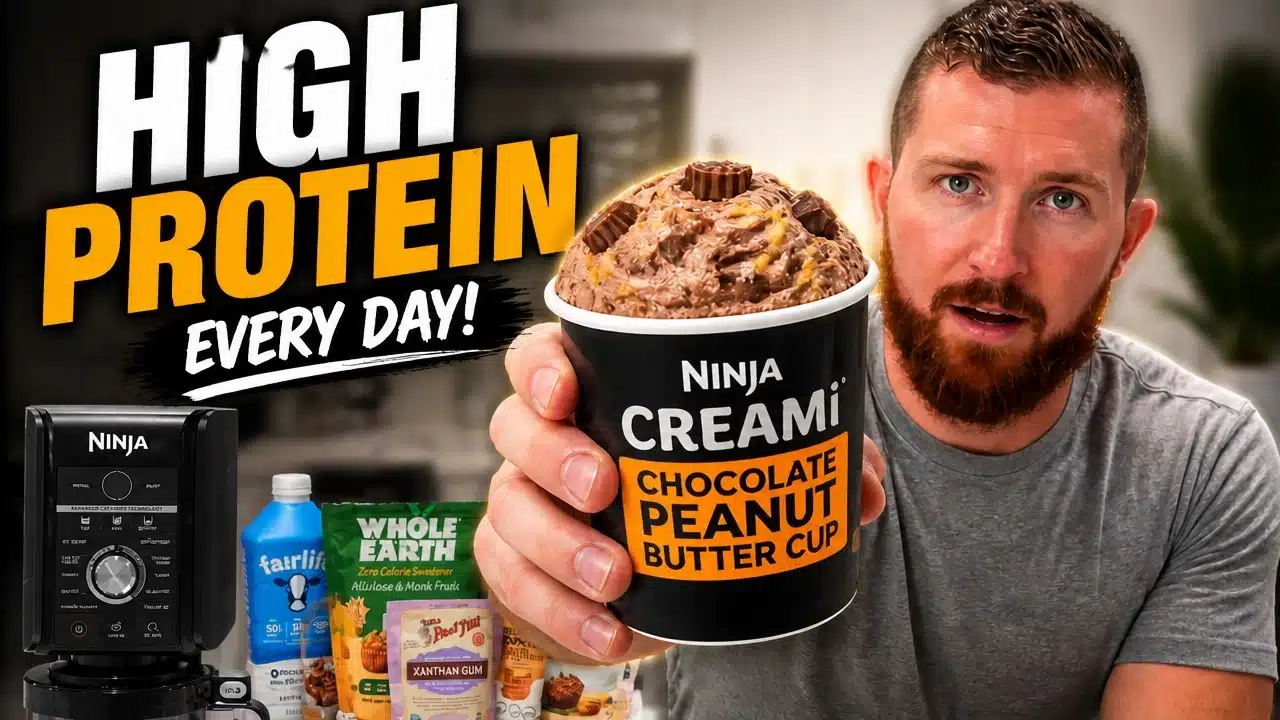
Each recipe packs over 40 grams of protein while keeping calories under control.
Best of all, these frozen treats taste remarkably similar to their full-sugar counterparts—without derailing your nutrition goals.
Jump to:
- The Foundation: What Makes These Ice Creams Work
- Recipe One: Brownie Batter Bliss
- Recipe Two: Chocolate Peanut Butter Cup
- Recipe Three: Oreo Blizzard (With a Game-Changing Twist)
- Essential Equipment and Technique Tips
- Why This Approach Beats Store-Bought Protein Ice Cream
- Customization Possibilities
- Making It Work for Your Goals
The Foundation: What Makes These Ice Creams Work
All three recipes start with a strategic base ingredient that transforms ordinary protein shakes into creamy, satisfying ice cream.
Fair Life’s ultra-filtered 2% milk serves as the liquid foundation. This isn’t just convenient—it’s nutritionally superior to regular milk for this application.
We’re using this because it has 50% more protein and 50% less sugar than regular milk.
Each recipe uses 1.5 cups (366 grams) of this protein-rich milk, providing a head start on hitting those protein targets before adding any powder.
The Secret Ingredient for Premium Texture
Xanthan gum might sound intimidating, but it’s the difference between smooth, creamy ice cream and disappointing icy chunks.
Just 1/8 teaspoon per pint creates that thick, luxurious mouthfeel found in high-end ice creams. However, precision matters here—too much creates an unpleasant slimy texture.
Each recipe also includes a pinch of salt, which intensifies flavors rather than making the ice cream taste salty. This culinary trick works because salt enhances sweetness perception and rounds out flavor profiles.
Recipe One: Brownie Batter Bliss
This chocolate lover’s dream starts with chocolate brownie protein powder from Clean and Simple Eats, which contains 20 grams of grass-fed whey protein with no artificial ingredients.
Don’t have brownie-flavored protein? Vanilla protein powder combined with cocoa powder creates a similar effect.
Two teaspoons of Zerocal sweetener provide sweetness without added sugar or calories. Combined with the other base ingredients and blended until smooth, this mixture goes into the freezer for 24 hours.
After freezing and spinning in an ice cream maker (the creator uses a Ninja Creami), the magic happens: 28 grams of brownie bites—exactly one serving—get mixed throughout.
Final nutrition stats: 401 calories and 42 grams of protein per entire pint.
Recipe Two: Chocolate Peanut Butter Cup
Following the same base method, this version swaps in chocolate peanut butter protein powder. Alternatives include chocolate or vanilla protein with PB Fit powder mixed in.
After the initial freeze and spin, chopped mini peanut butter cups transform this from simple chocolate into an indulgent candy bar-inspired treat.
Get a Reese’s cup in every bite.
Nine mini peanut butter cups—one serving—get distributed evenly throughout using the mix-in function.
Nutrition breakdown: 461 calories and 43 grams of protein for the entire pint.
Recipe Three: Oreo Blizzard (With a Game-Changing Twist)
This recipe earned top marks from the creator and includes a clever technique that elevates it beyond typical mix-in approaches.
Starting with Optimum Nutrition vanilla ice cream protein powder (31 grams, one serving) and 5 grams of vanilla bean paste creates an authentic premium ice cream base.
Here’s where innovation meets deliciousness: three mini Oreos get broken in half and pulsed briefly into the liquid base before freezing. This transforms the entire mixture into an Oreo-flavored base rather than just vanilla with cookies mixed in.
We’re really just trying to turn this into an Oreo base versus a vanilla base.
After freezing and spinning, six additional mini Oreos get mixed throughout for texture and extra cookie pieces in every spoonful.
Complete pint nutrition: 457 calories and 46 grams of protein.
Essential Equipment and Technique Tips
While any blending method works—milk frothers, blender bottles, or traditional blenders—an immersion blender emerged as the superior tool for mixing these bases.
Set on the lowest setting and pulsed gently, it incorporates ingredients without creating excessive air bubbles or mess.
The Warm Water Trick
Before spinning frozen pints in an ice cream maker, running warm water over the exterior prevents icy chunks from forming along the sides. This ensures even, creamy texture throughout.
When the ice cream emerges looking crumbly after the first spin, don’t panic. Creating a well in the center for mix-ins, then spinning again, brings everything together perfectly.
Why Minimal Respinning Matters
Excessive blending can turn thick, creamy ice cream into soupy disappointment. The technique of making a center well for mix-ins rather than fully remixing minimizes respinning while still distributing ingredients evenly.
I don’t want to respin this too many times. If I were to respin this and then mix it in, that’s more potential to make this too soupy.
Why This Approach Beats Store-Bought Protein Ice Cream
Commercial protein ice creams often cost $5-7 per pint and typically contain 20-24 grams of protein. These homemade versions nearly double that protein content while costing significantly less per serving.
Texture rivals premium brands because xanthan gum mimics the mouthfeel created by high fat content—without the calories. Using actual candy pieces rather than artificial flavoring creates authentic taste that doesn’t disappoint.
Perhaps most importantly, controlling ingredients means avoiding unnecessary additives, fillers, and sugar alcohols that can cause digestive distress in sensitive individuals.
Customization Possibilities
These three recipes represent just the beginning of what’s possible with this method.
- Swap protein flavors to create endless combinations—birthday cake, cookies and cream, salted caramel
- Experiment with mix-ins like sugar-free chocolate chips, freeze-dried fruit, or crushed pretzels
- Adjust sweetness levels based on personal preference and protein powder sweetness
- Try different milk options like unsweetened almond or oat milk for different macros
- Add extracts such as almond, peppermint, or maple for flavor depth
Making It Work for Your Goals
With 400-460 calories and 42-46 grams of protein per entire pint, these recipes fit seamlessly into various nutritional strategies.
Someone eating 2,000 calories daily could enjoy half a pint for approximately 225 calories and 22 grams of protein—comparable to a protein shake but infinitely more satisfying. Those with higher calorie targets might eat an entire pint as a post-workout meal.
The high protein content promotes satiety, making these treats genuinely filling rather than triggering more cravings. This psychological advantage helps maintain dietary adherence long-term.
Creating restaurant-quality ice cream at home no longer requires an expensive machine or complicated techniques. With basic ingredients, 24 hours of patience, and an ice cream maker, anyone can produce macro-friendly frozen desserts that rival premium brands in taste while supporting fitness goals.