Metabolic health influencer Dr. Boz recently shared her daily eating routine, claiming her “metabolism is strong” while subsisting on black coffee, occasional sardines, and fast-food meals stripped of carbohydrates.
The concerning pattern has sparked debate among health experts who see troubling signs of metabolic adaptation rather than metabolic strength.
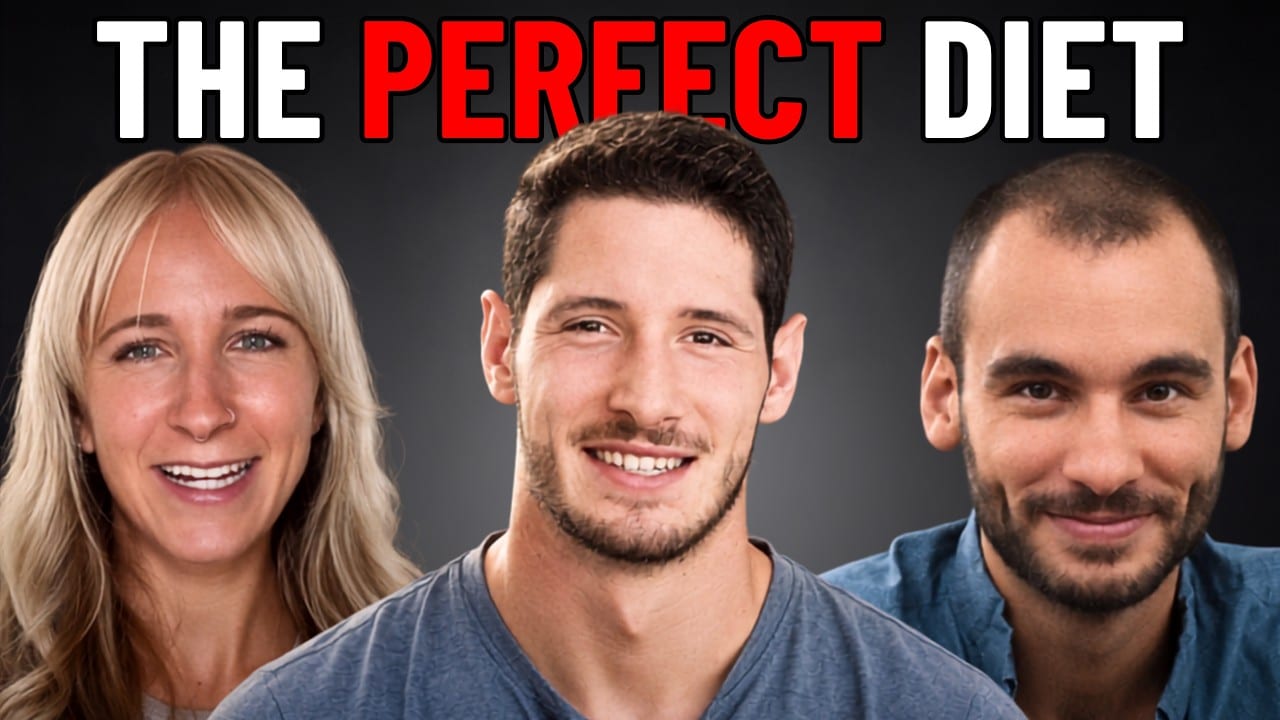
In a recent video discussion, bioenergetic health experts Teresa Pella, Jay Feldman, and Mike Fave compared their own eating habits to Dr. Boz’s restrictive approach, revealing stark differences in how they fuel their bodies.
Their analysis offers valuable insights for anyone struggling with increasingly restrictive low-carb or carnivore diets.
Jump to:
- The Troubling Pattern of Progressive Restriction
- Why This Isn’t Metabolic Strength
- A Different Approach: Mike Fave’s Balanced Strategy
- Jay Feldman’s Intuitive Eating Pattern
- Teresa Pella’s Journey from Carnivore to Balance
- The Role of Food Tracking
- Common Micronutrient Considerations
- Meal Timing and Structure
- The Stress Factor in Food Choices
- Food Preparation Realities
- Activity Levels and Caloric Needs
- Lessons from the Low-Carb Past
- A Success Story
- Key Takeaways for Sustainable Health
The Troubling Pattern of Progressive Restriction
Dr. Boz’s typical day starts with four shots of espresso and salt—no food until evening.
She eliminated breakfast “when I stalled and had to level up,” then removed heavy cream from her coffee for the same reason.

If you want something simple that actually works, this is one of the most effective tools I’ve used to build strength, conditioning, and endurance without needing a full gym setup.
- Full-body training with one weight using swings, squats, and presses
- Solid cast iron build that feels stable and lasts for years
- Comfortable grip that makes high-rep workouts easier to handle
This is something I see with many clients where they start out keto, they start out low carb, they do well, right? They lose weight, stuff like this, and then over time the eating windows get smaller and smaller. The food intake gets smaller and smaller.
Mike Fave noted this classic progression among long-term dieters.
If hunger strikes during the day, Dr. Boz reaches for sparkling water first. If that doesn’t suppress appetite, she’ll eat sardines straight from the can.
Her evening meal consists entirely of restaurant food—either Jimmy John’s lettuce wraps or a Chipotle bowl without rice or beans.
Why This Isn’t Metabolic Strength
The experts identified several red flags suggesting metabolic suppression rather than robust metabolic function.
Eliminated appetite signals. A healthy metabolism generates appropriate hunger cues. Dr. Boz’s lack of daytime hunger indicates her body has adapted to chronic restriction by suppressing appetite hormones.
And you know, before she was doing her four shots of espresso with cream, and then the cream wasn’t working for her. Like even I don’t know, a couple tablespoons of heavy cream was either preventing her from losing weight or causing her to gain weight.
Jay Feldman highlighted how even minimal caloric intake triggered weight stalling.
If you want something simple that actually works, this is one of the most effective tools I’ve used to build strength, conditioning, and endurance without needing a full gym setup.
- Full-body training with one weight using swings, squats, and presses
- Solid cast iron build that feels stable and lasts for years
- Comfortable grip that makes high-rep workouts easier to handle
Dependence on stimulants. Four shots of espresso on an empty stomach drives cortisol and adrenaline production, forcing the body to run on stress hormones rather than adequate fuel.
Extremely low total intake. Even accounting for her evening meal, Dr. Boz’s daily caloric intake likely ranges from 600-850 calories—far below what’s needed for optimal function.
A Different Approach: Mike Fave’s Balanced Strategy
In contrast, Mike Fave shared his current eating pattern, which prioritizes adequate fuel and micronutrient density.
His typical day includes three main meals plus one snack, totaling approximately 3,200-3,400 calories with specific macro targets: 160 grams protein, 400 grams carbohydrates, and 100 grams fat.
Each main meal follows a consistent structure:
- Protein source: Ground beef, chicken, fish, shrimp, or scallops
- Carbohydrate base: Black beans (which he tolerates well despite not having a gallbladder)
- Cooked vegetables: Peas, broccoli, carrots, cauliflower
- Fat source: Macadamia nuts
- Fruit shake: Orange juice, passion fruit, and blueberries
- Dried fruit: Primarily goji berries
If this meal was skim milk and whey protein and orange juice, I probably I wouldn’t last the gap. Like I would be hungry very fast.
Mike explained how meal composition determines satiety duration.
If you want something simple that actually works, this is one of the most effective tools I’ve used to build strength, conditioning, and endurance without needing a full gym setup.
- Full-body training with one weight using swings, squats, and presses
- Solid cast iron build that feels stable and lasts for years
- Comfortable grip that makes high-rep workouts easier to handle
His structured meals keep him satisfied for six to eight hours without triggering stress hormone production.
Personalization Matters
Mike emphasized his diet reflects his specific needs, particularly managing bile acid malabsorption after gallbladder removal.
The fiber from beans, peas, and macadamia nuts acts as a therapeutic sponge, binding bile acids and protecting his gut lining.
When I came out of low carb and like when I was doing carnivore stuff, there was zero shot that I could tolerate what I’m eating now. Like I could only I couldn’t even tolerate juice.
His current tolerance represents years of gradually rebuilding metabolic flexibility.
Jay Feldman’s Intuitive Eating Pattern
Jay Feldman takes a more intuitive approach, consuming 3,500-4,000 calories daily depending on activity level.
His diet varies significantly day-to-day, with meals prepared in batches by his wife.
If you want something simple that actually works, this is one of the most effective tools I’ve used to build strength, conditioning, and endurance without needing a full gym setup.
- Full-body training with one weight using swings, squats, and presses
- Solid cast iron build that feels stable and lasts for years
- Comfortable grip that makes high-rep workouts easier to handle
A typical day might include:
- Breakfast: Eggs cooked in butter, plantains, orange juice, coffee with milk and sugar
- Lunch: Moroccan sirloin with rice (one of many rotating batch-cooked meals)
- Post-training snack: Fresh fruit like rambutan, mango smoothie, occasional potato chips or chocolate
- Dinner: Lamb shank with roasted potatoes and maple Brussels sprouts
- Evening: Warm milk with maple syrup, sometimes with gluten-free cookies
On MMA training days (once or twice weekly), Jay naturally consumes more calories without conscious tracking.
Because I think a lot of people would see this and think, “Wow, if I ate that much, I’d blow up.” Or, you know, that’s a that’s a fear I hear a lot with clients. They’re just terrified to eat.
Teresa Pella observed how metabolic fear keeps people trapped in restriction.
Jay maintains a stable weight of 195-200 pounds on this intake—the same weight he was during his low-carb phase when he ate only 2,800 calories daily.
The Value of Food Flexibility
Jay intentionally includes foods like dark chocolate and gluten-free cookies to demonstrate an important principle.
Not everything you eat necessarily has to be a health food. And there’s room for like eating at a restaurant. And there’s room for eating with your family or celebrating a birthday and eating things that you don’t eat all the time.
This flexibility represents freedom from the obsessive rigidity that characterized his low-carb years.
If you want something simple that actually works, this is one of the most effective tools I’ve used to build strength, conditioning, and endurance without needing a full gym setup.
- Full-body training with one weight using swings, squats, and presses
- Solid cast iron build that feels stable and lasts for years
- Comfortable grip that makes high-rep workouts easier to handle
Teresa Pella’s Journey from Carnivore to Balance
Teresa’s evolution from carnivore dieting to her current approach illustrates the recovery process many need to undergo.
Her typical intake ranges from 2,200-2,600 calories daily—significant for her smaller frame and a testament to metabolic recovery.
Her diet adapts seasonally and intuitively:
- Summer emphasis: More fresh fruit, melons, lighter meals
- Winter preference: Sweet potatoes, rice, sourdough, denser foods
- Daily staples: Eggs, quality meat sources including ancestral beef blends, abundant vegetables
- Mineral focus: Matcha with molasses, carrot salad with vinegar, liberal use of herbs
I really am liking a milky matcha with molasses right now. It feels like a nice mineral boost. I notice an amazing brain effect from that. More so than coffee.
Teresa described how listening to cravings guides her toward what her body needs.
Her recovery from carnivore wasn’t immediate. Initially, even a single bite of raw apple would cause severe bloating and brain fog.
The Gut Healing Timeline
Recovery takes patience. Teresa emphasized that transitioning from carnivore to a varied diet requires time for microbiome rebalancing.
If you want something simple that actually works, this is one of the most effective tools I’ve used to build strength, conditioning, and endurance without needing a full gym setup.
- Full-body training with one weight using swings, squats, and presses
- Solid cast iron build that feels stable and lasts for years
- Comfortable grip that makes high-rep workouts easier to handle
Mike confirmed this challenging reality:
There’s not a point where if you’re having gut issues where you add foods in from carnivore where when you first add those foods that it’s going to go very well. Typically the first couple days to weeks it does not go super well.
The gut lining and microbial populations need time to rebuild after extended fiber restriction.
The Role of Food Tracking
While Jay and Teresa eat primarily intuitively now, all three experts emphasized tracking’s value during transitions or troubleshooting.
Key benefits of temporary tracking:
- Reveals actual intake versus perceived intake
- Identifies micronutrient gaps
- Shows macro imbalances affecting energy or satiety
- Provides data for making targeted adjustments
- Helps establish new eating patterns
I can’t tell you how many people I’ve worked with where it was like, I wish I would have tracked, you know, before I spoke with you the first time because you told me to just track because I usually just tell people track three days just so you can see what you’re doing.
Mike explained his standard protocol.
Three days of tracking typically reveals patterns and issues that can be quickly addressed.
If you want something simple that actually works, this is one of the most effective tools I’ve used to build strength, conditioning, and endurance without needing a full gym setup.
- Full-body training with one weight using swings, squats, and presses
- Solid cast iron build that feels stable and lasts for years
- Comfortable grip that makes high-rep workouts easier to handle
Common Micronutrient Considerations
Even well-designed diets often require strategic supplementation for optimal levels.
Nearly universal needs:
- Vitamin D: Difficult to obtain adequate amounts from food alone
- Vitamin K2: Present in fermented foods and grass-fed animal products, but often insufficient without dairy
- Calcium: Challenging to meet requirements without dairy products
- Sodium: Whole food diets naturally run low unless salt is added intentionally
- Vitamin E: Beneficial supplementation for those transitioning away from high-PUFA diets
Mike uses liver capsules rather than whole liver to control vitamin A and copper intake precisely.
Teresa prefers incorporating ancestral meat blends that include small amounts of organs.
Meal Timing and Structure
The experts’ meal timing varied based on schedules, but several principles emerged.
Mike’s structured approach: Four eating occasions spread throughout his work day, with meals spaced 4-6 hours apart. His last meal typically comes around 9 PM due to client call scheduling.
If you want something simple that actually works, this is one of the most effective tools I’ve used to build strength, conditioning, and endurance without needing a full gym setup.
- Full-body training with one weight using swings, squats, and presses
- Solid cast iron build that feels stable and lasts for years
- Comfortable grip that makes high-rep workouts easier to handle
Jay’s flexible pattern: Three main meals plus snacks as needed, with timing adjusted around training. Post-workout nutrition focuses on easily digestible carbohydrates and protein.
Teresa’s intuitive schedule: Meal timing follows natural hunger and energy patterns, varying with activity level and stress.
Adequate spacing matters. Mike noted that eating meals too close together creates uncomfortable fullness with his volume of food.
Strategic Meal Composition
Mike discovered consuming fruit shakes before his protein and vegetables improved digestion significantly.
He sips juice over 15-20 minutes, waits 10 minutes, then eats the remainder of his meal.
This sequencing also protected his dental health better than having juice after protein-rich foods.
If you want something simple that actually works, this is one of the most effective tools I’ve used to build strength, conditioning, and endurance without needing a full gym setup.
- Full-body training with one weight using swings, squats, and presses
- Solid cast iron build that feels stable and lasts for years
- Comfortable grip that makes high-rep workouts easier to handle
The Stress Factor in Food Choices
Teresa highlighted how mental and emotional stress influences dietary needs and cravings.
My stress and whatever is going on in my life is going to change my cravings and my diet big time. Being mindful to be a little bit more intentional about diet and not just following maybe more of the stress based cravings.
During higher stress periods, she deliberately increases carbohydrates, minerals, and fat while ensuring adequate time for slow, mindful eating.
Jay emphasized that rigidity itself creates stress that can impair healing.
Clients with perfect diets but persistent symptoms often improve when they release obsessive control around food.
Food Preparation Realities
Contrary to assumptions about elaborate meal prep, Mike’s routine takes about one hour each morning.
He batch cooks meat and vegetables every few days, then portions them out daily. Shakes blend quickly. Black beans come pre-cooked in BPA-free packaging.
If you want something simple that actually works, this is one of the most effective tools I’ve used to build strength, conditioning, and endurance without needing a full gym setup.
- Full-body training with one weight using swings, squats, and presses
- Solid cast iron build that feels stable and lasts for years
- Comfortable grip that makes high-rep workouts easier to handle
Jay’s wife handles batch cooking of varied meals that get frozen and rotated, eliminating daily cooking while maintaining variety.
Teresa balances convenience with quality, choosing organic, minimally processed options when cooking from scratch isn’t feasible.
Practical tips for sustainable preparation:
- Batch cook proteins and starches in large quantities
- Use quality pre-cooked beans and legumes
- Keep frozen fruits for quick smoothies
- Stock dried fruits and nuts for easy additions
- Choose restaurants that accommodate macro needs when necessary
Activity Levels and Caloric Needs
The experts’ activity provided context for their substantial intakes.
Mike’s routine: Weight training 4-5 times weekly, daily 20-minute walks, mostly sedentary work
Jay’s schedule: MMA training 1-2 times weekly (90 minutes), one lifting session, daily dog walks (20-30 minutes)
If you want something simple that actually works, this is one of the most effective tools I’ve used to build strength, conditioning, and endurance without needing a full gym setup.
- Full-body training with one weight using swings, squats, and presses
- Solid cast iron build that feels stable and lasts for years
- Comfortable grip that makes high-rep workouts easier to handle
Teresa’s pattern: Variable activity with gardening, walking, and adapted exercise
Jay noted his 3,500-4,000 calorie intake maintains stable weight—far higher than the 2,800 calories he needed at the same weight during low-carb dieting.
I think sometimes we forget that just having a well functioning brain and being able to focus takes a lot of energy. I mean, I think sometimes we forget that just having a well functioning brain and being able to focus takes a lot of energy.
Teresa reminded listeners that cognitive work requires substantial fuel.
Lessons from the Low-Carb Past
Both Mike and Jay reflected on their restrictive dieting history to illustrate metabolic adaptation.
Mike recalled weighing 175 pounds at approximately 6% body fat during peak low-carb—feeling terrible despite appearing lean. He now maintains 195-200 pounds at 12-14% body fat on significantly more food, with better energy and performance.
Jay experienced similar challenges, maintaining his current weight on far fewer calories during low-carb phases.
If you want something simple that actually works, this is one of the most effective tools I’ve used to build strength, conditioning, and endurance without needing a full gym setup.
- Full-body training with one weight using swings, squats, and presses
- Solid cast iron build that feels stable and lasts for years
- Comfortable grip that makes high-rep workouts easier to handle
I remember I would sit there and I would take a slice of meat and I put a piece of butter on every slice of meat and I would eat the meat and butter together like that.
Mike described desperate attempts to consume adequate calories on a carb-restricted diet.
Both gained significant weight initially when reintroducing carbohydrates—a normal metabolic response after prolonged restriction that eventually normalized.
A Success Story
The episode featured feedback from someone who transitioned away from carnivore after 18 months.
Back on whole food carbs after 18 months carnivore. My thyroid and adrenals are a lot happier now. Plus, I sleep so much better and my daytime energy levels are normal again.
The experts celebrated this relatively smooth transition, noting that 18 months represents a substantial commitment to carnivore before making changes.
Results like improved thyroid function, better sleep, and normalized energy demonstrate the body’s capacity to recover when given appropriate nutrition.
Key Takeaways for Sustainable Health
The stark contrast between Dr. Boz’s restrictive approach and these three examples reveals important principles.
If you want something simple that actually works, this is one of the most effective tools I’ve used to build strength, conditioning, and endurance without needing a full gym setup.
- Full-body training with one weight using swings, squats, and presses
- Solid cast iron build that feels stable and lasts for years
- Comfortable grip that makes high-rep workouts easier to handle
Progressive restriction signals metabolic problems, not metabolic strength. Needing to eat less and less while eliminating foods suggests adaptation to deprivation rather than robust metabolism.
Adequate fuel supports better function at stable weight. All three experts maintain healthy weights on substantial caloric intakes with good energy and performance.
Dietary approaches must be personalized. Individual tolerance, health history, and current function determine optimal food choices.
Recovery from restriction takes time and patience. Gut healing, metabolic recovery, and normalized appetite don’t happen overnight.
Food flexibility reduces stress and supports sustainability. Rigid perfection often creates more problems than it solves.
Tracking serves as a valuable troubleshooting tool. Three days of data can reveal patterns and solutions for persistent issues.
If you want something simple that actually works, this is one of the most effective tools I’ve used to build strength, conditioning, and endurance without needing a full gym setup.
- Full-body training with one weight using swings, squats, and presses
- Solid cast iron build that feels stable and lasts for years
- Comfortable grip that makes high-rep workouts easier to handle
Perhaps most importantly, true metabolic health allows abundant eating of varied, enjoyable foods while maintaining stable weight and excellent function—not the progressive restriction Dr. Boz’s approach exemplifies.