At 39, Novak Djokovic isn’t just still competing—he’s ranked in the ATP top 5, defying every conventional wisdom about athletic aging.
Only two other players since 1973 have managed to stay inside the top 5 at his age: Ken Rosewall and Roger Federer.
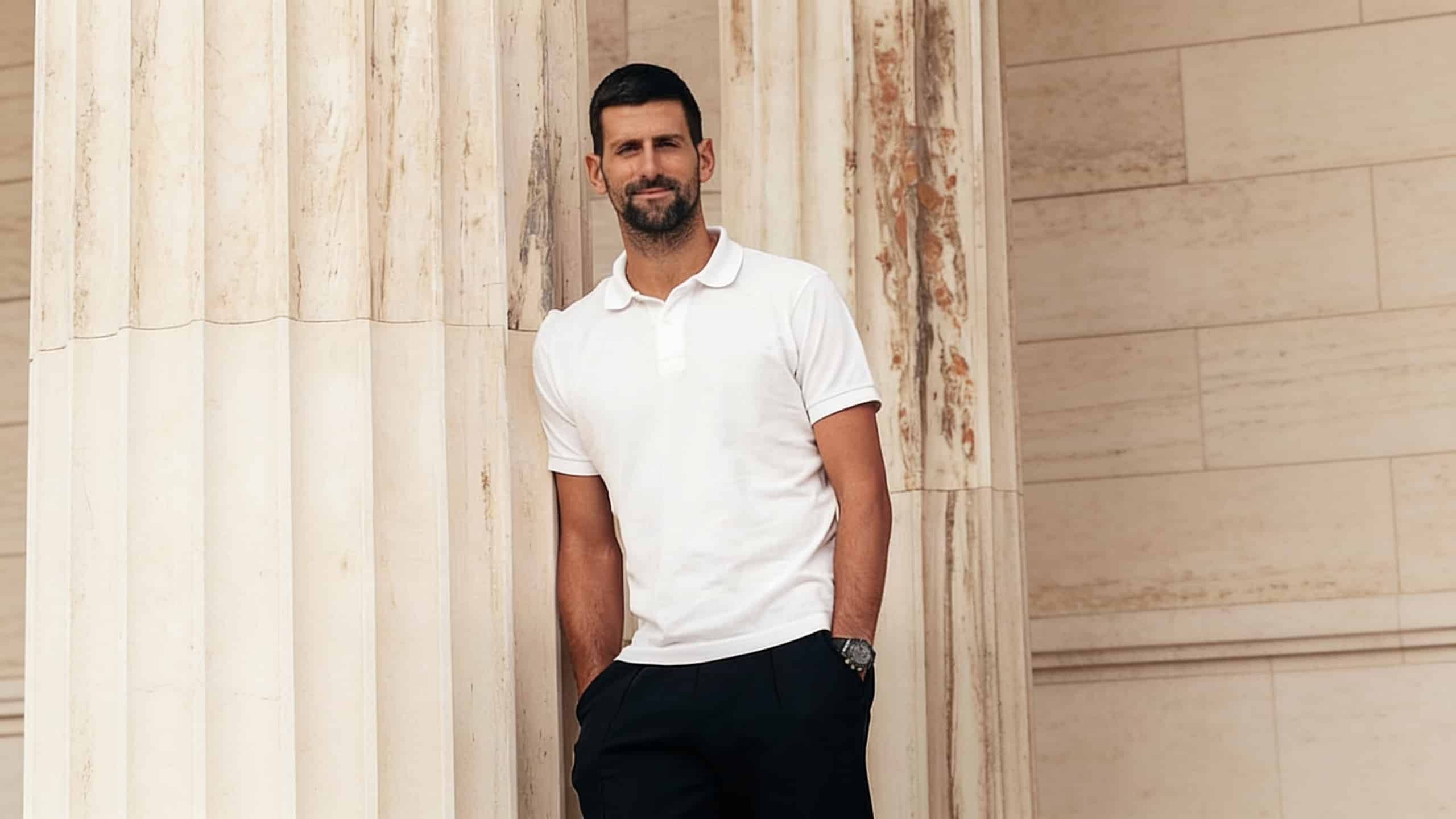
In a recent CBS News interview, the 24-time Grand Slam champion revealed he still feels he has “something to prove” and continues seeking “every percentage of extra edge” to compete against players like Jannik Sinner and Carlos Alcaraz—men roughly a decade younger.
His secret? An unusually disciplined approach to diet, sleep, movement, and mental recovery that has become his competitive advantage as physical gifts naturally decline.
Jump to:
The Diet That Changed Everything
Around 2010, Djokovic was struggling. Persistent health issues plagued his performance, causing him to retire mid-match repeatedly.
Then he discovered a gluten intolerance that was silently sabotaging his body. The shift to a gluten-free, largely plant-based diet transformed not just his health, but his entire career trajectory.
He detailed this nutritional overhaul in his 2013 book Serve to Win, describing how eliminating gluten reduced inflammation and improved recovery times dramatically. The results spoke louder than any skepticism: he went on to dominate men’s tennis for over a decade.
Nutritional experts note that while gluten-free diets aren’t necessary for everyone, identifying personal food intolerances can be game-changing for athletic performance. Reduced systemic inflammation allows for faster recovery between matches—critical in a sport where tournaments demand multiple high-intensity matches within days.
Plant-forward eating also provides abundant antioxidants and phytonutrients that support cellular repair, particularly valuable as athletes age and recovery naturally slows.
Sleep and Recovery as Non-Negotiables
Djokovic treats sleep with the same reverence most players reserve for practice. Early sleep routines aren’t suggestions in his world—they’re fundamental architecture.
He’s spoken extensively about prioritizing consistent sleep schedules and creating optimal sleep environments, recognizing that recovery happens when lights go out, not just during rest days.
Beyond conventional sleep hygiene, he’s incorporated unconventional tools like hyperbaric oxygen chambers into his recovery protocol. While scientific evidence on hyperbaric therapy for athletic recovery remains mixed, the theoretical mechanism—increased oxygen delivery to tissues—aligns with accelerated healing processes.
Sports scientists acknowledge that even if some benefits are placebo, the ritual of dedicated recovery time sends powerful signals to both body and mind about the importance of regeneration.
Movement Beyond Tennis
Most professional athletes focus exclusively on sport-specific training. Djokovic does the opposite.
His daily routine incorporates yoga, extensive stretching protocols, and structured movement practices that maintain mobility and prevent the accumulation of microtraumas that typically end careers. Extended warm-up and cool-down sessions aren’t rushed—they’re treated as essential as match play itself.
This approach addresses a critical reality of aging athletes: flexibility and range of motion decline faster than strength or endurance. By prioritizing mobility work, Djokovic preserves the biomechanical efficiency that allows him to move like someone ten years younger.
Physical therapists often note that professional athletes who extend careers into their late 30s share this common trait—they expand their movement vocabulary rather than narrow it.
The Mental Edge
Perhaps Djokovic’s most underrated weapon isn’t physical at all.
He’s been transparent about his reliance on mindfulness meditation and structured breathing exercises to manage competitive stress and maintain focus during grueling five-set matches that can exceed four hours.
Sports psychologists point to a compelling reality: as physical advantages narrow with age, mental resilience becomes the primary differentiator. Younger players may have faster reflexes, but Djokovic possesses pattern recognition and emotional regulation built over two decades.
His growth-oriented mindset—believing he “can always be better than yesterday”—fuels continued improvement even as biological decline begins. This psychological framework transforms aging from limitation into motivation.
I still feel I have something to prove.
That statement to CBS News reveals everything about his competitive longevity. He hasn’t accepted decline as inevitable—he’s treating it as another opponent to outwork.
The Statistical Case for His Approach
Numbers don’t lie about Djokovic’s unprecedented career:
- 24 Grand Slam singles titles—the men’s record
- 428 weeks ranked world No. 1—also a record
- Eight year-end No. 1 finishes—more than any player in history
- Career Golden Slam achieved at the 2024 Paris Olympics, defeating Alcaraz in the final
- Approximately $193.5 million in career prize money—all-time record in men’s tennis
These aren’t just impressive statistics—they’re evidence of a system that works. While his last Grand Slam came at the 2023 US Open and younger stars like Sinner and Alcaraz now dominate tour titles, remaining competitive at 39 is itself extraordinary.
Historical context matters: staying top 5 after 39 has happened only twice before in the 50+ year history of ATP rankings.
What Science Says (and Doesn’t Say)
Not everything in Djokovic’s protocol has ironclad scientific backing. Some practices attract skepticism from sports physiologists who note that individual responses vary dramatically.
However, several core elements align with robust evidence on athletic longevity:
- Anti-inflammatory nutrition supports recovery and reduces injury risk
- Prioritized sleep enhances memory consolidation, immune function, and tissue repair
- Mobility work preserves biomechanical efficiency and prevents compensatory movement patterns
- Stress management practices reduce cortisol and support hormonal balance
Even elements with thinner evidence may provide benefits through consistency and belief—the ritual of recovery can be as valuable as specific modalities.
Lessons for Non-Elite Athletes
You don’t need Djokovic’s resources to apply his core principles.
Identify personal food sensitivities through elimination protocols or testing—what works for others may not work for you. Pay attention to how different foods affect energy, inflammation, and recovery.
Treat sleep as training, not downtime. Consistent sleep schedules and optimized sleep environments aren’t luxuries—they’re performance fundamentals.
Expand movement practices beyond your primary sport or activity. Yoga, mobility work, and varied movement patterns prevent overuse injuries and maintain functional capacity.
Develop mental recovery practices with the same dedication as physical training. Breathing exercises, meditation, or simple mindfulness can transform stress response and competitive mindset.
Most importantly: adopt a growth orientation regardless of age. Djokovic’s belief that improvement remains possible fuels continued excellence.
The Road Ahead
Djokovic acknowledged to Gayle King that his body increasingly reminds him of his age, even as competitive drive remains undiminished. That tension between biological reality and psychological ambition defines his current chapter.
An upcoming documentary titled Novak Djokovic: The Wolf in Winter, scheduled for August 2026 release, promises behind-the-scenes insight into how he navigates this phase of career and life.
Whether he wins another Grand Slam matters less than what he’s already proven: longevity in elite performance isn’t luck or genetics alone. It’s discipline, adaptation, and relentless attention to factors most athletes treat as secondary.
His approach offers a blueprint—not for becoming Djokovic, but for maximizing whatever potential remains untapped in your own performance, regardless of age or starting point.