Duck walks might look like a quirky gym class drill, but this underrated movement hides some of the most powerful benefits for your body.
Done consistently, duck walks can rebuild your strength and mobility from the ground up — literally.
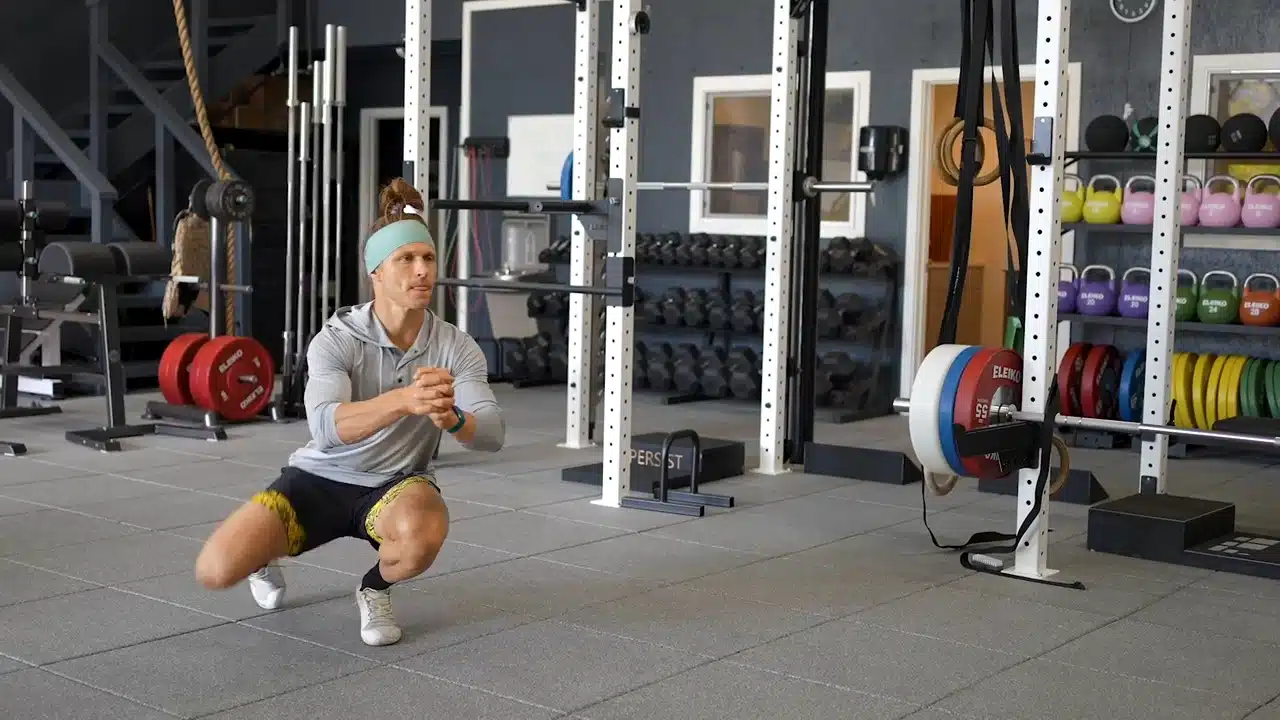
From unlocking stiff ankles to creating bulletproof knees and waking up long-dormant glute muscles, this move does what traditional workouts often miss.
Beyond just physical transformation, duck walks sharpen your coordination and build next-level mental toughness.
Keep reading and you’ll discover exactly how and why this simple movement can radically improve the way you move, feel, and perform in day-to-day life.
Jump to:
- Why Your Ankles Are the First to Transform
- Stronger Ankles = Happier Knees
- The Missing Link: Unlocking Hip Power and Flexibility
- Core Strength That Actually Matters
- Training Movement, Not Just Muscles
- Building Strength That Transfers to Real Life
- Sharpening Your Mental Edge
- Cardio and Strength in One Move
- How to Get Started (and Progress Safely)
- Common Mistakes to Avoid
- The Hidden Gem in Your Training Plan
Why Your Ankles Are the First to Transform
Most people don’t think twice about their ankles — until they begin duck walking.
Stiff, immobile ankles are surprisingly common thanks to modern habits like excessive sitting and wearing shoes that restrict natural foot movement.
Duck walks demand deep dorsiflexion with every step. There’s no workaround — your ankles must bend, and your calves have to stretch.
Over time, this movement restores a critical but neglected range of motion, unlocking mobility that makes squatting, climbing stairs, or even walking feel smoother and easier.
Stronger Ankles = Happier Knees
If your ankles are locked up, your knees often pay the price.
Many knee issues stem not from the joint itself but from how the foot and hip interact with that joint.
By improving ankle mobility, duck walks reduce compensations that force the knees to twist or take on excessive stress.
Even better, duck walks train your knees to track properly. The quadriceps, especially the inner teardrop-shaped vastus medialis oblique (VMO), finally gets the activation it needs.
This helps prevent common issues like lateral kneecap tracking and tweaky pain during lunges or stairs.
All those stabilizing muscles around the knee joint — the ones that don’t get much love in traditional lifts — are forced to work overtime during duck walks.
As a result, knees feel more stable, connected, and resilient after a few weeks of consistent practice.
The Missing Link: Unlocking Hip Power and Flexibility
Sitting for hours a day leaves hips tight, glutes weak, and movement patterns broken.
Duck walks reverse this dysfunction by hitting the hips from all angles.
Squatting deeply stretches tight hip muscles like the hip flexors and adductors, while the act of walking engages glutes and hamstrings in new, functional patterns.
This is what some coaches refer to as “useful flexibility” — not just long muscles, but strong ones too.
When your hips regain their power and range of motion, everything from running to lifting and even walking feels stronger.
Core Strength That Actually Matters
Crunches and planks might look good on paper, but duck walks activate your deep core musculature in a very real way.
Your body naturally wants to tip forward in the bottom squat position. Your core has to fight that urge constantly.
This lights up stabilizing muscles around your spine—like the transverse abdominis and multifidus—that rarely get challenged in traditional core workouts.
Even your breathing becomes part of the equation as your diaphragm and pelvic floor work to balance intra-abdominal pressure.
This kind of 360-degree core stability doesn’t just build aesthetics; it supports real-life movement, from lifting groceries to chasing after your kids.
Training Movement, Not Just Muscles
Duck walks introduce something that’s missing from most exercises: dynamic self-organization.
Each step is slightly different, requiring your body to adjust and adapt in real time. This improves proprioception — your ability to feel where your body is in space.
That skill, often neglected, is crucial for avoiding injury and reacting well to unexpected demands, whether in sports or in everyday life.
And because duck walks occur in a semi-stable, low-to-the-ground position, they keep your brain engaged at all times.
Unlike repetitive machine exercises, this pattern builds coordination rather than breaking it down.
Building Strength That Transfers to Real Life
Many gym movements build strength in artificial ways — machines or barbells moving in rigid lines.
Duck walks build what experts call “functional strength” — the kind that transfers to climbing, crawling, lifting, or changing direction quickly.
Leg development is especially noticeable. Duck walks train the quads, glutes, and hamstrings under constant tension in a deep squat, where most people are weakest.
This translates directly into better squats, lunges, jumps, and running mechanics.
Sharpening Your Mental Edge
Physically, duck walks are tough. Mentally, they’re on another level.
They require focus and attention you can’t fake. There’s no zoning out mid-rep.
Staying low while your legs burn teaches grit. You build mental discipline with each agonizing step.
In this way, duck walks double as moving meditation — pushing you to stay present while under stress.
Cardio and Strength in One Move
Duck walks don’t just burn the muscles — they light up your cardiovascular system too.
Heart rate spikes within seconds, even without added weight.
The best part: it’s strength-based cardio. You’re building endurance and muscle simultaneously, leading to efficient conditioning that’s rare in bodyweight training.
How to Get Started (and Progress Safely)
Beginner Plan:
- Start with 3 sets of 10 steps forward
- Rest for 60–90 seconds between sets
- Focus on form over speed
Intermediate Plan:
- Progress to 3–4 sets of 20–30 steps
- Rest 45–60 seconds between sets
- Try variations like lateral duck walks or uphill surfaces
Advanced Plan:
- Use added weight (dumbbells, sandbags, or a weighted vest)
- Increase time under tension with pauses or tempo work
- Perform longer sets over extended distances
Common Mistakes to Avoid
- Letting knees cave in: Keep knees in line with toes to protect your joints.
- Coming up too high: Stay low to maintain muscle tension and effectiveness.
- Holding your breath: Use steady, rhythmic breathing to stay energized.
- Moving too fast: Slow, controlled steps activate muscles more and reduce injury risk.
The Hidden Gem in Your Training Plan
Duck walks might seem old-school, but they offer something modern training often misses: full-spectrum functional movement.
With just this one deceptively simple drill, you’re building ankle mobility, knee stability, hip power, core coordination, mental toughness, and real-life strength.
For lasting results, perform duck walks 2–3 times per week as part of your warmup, conditioning, or strength work.
Stick with it for just four weeks and you’ll notice massive changes in how you move — both in and out of the gym.
It’s not flashy. It’s not trendy. But it works.