The Two Set Method is gaining traction in the fitness community — but it’s often misunderstood. It’s not just two quick sets and you’re done. There’s a system behind it that blends intensity, efficient volume, and recovery for both muscle gains and strength progress.
What makes it stand out? You can finish a solid training session in under 45 minutes, making it ideal for busy people with jobs, kids, or packed schedules. But don’t mistake its brevity for ineffectiveness.
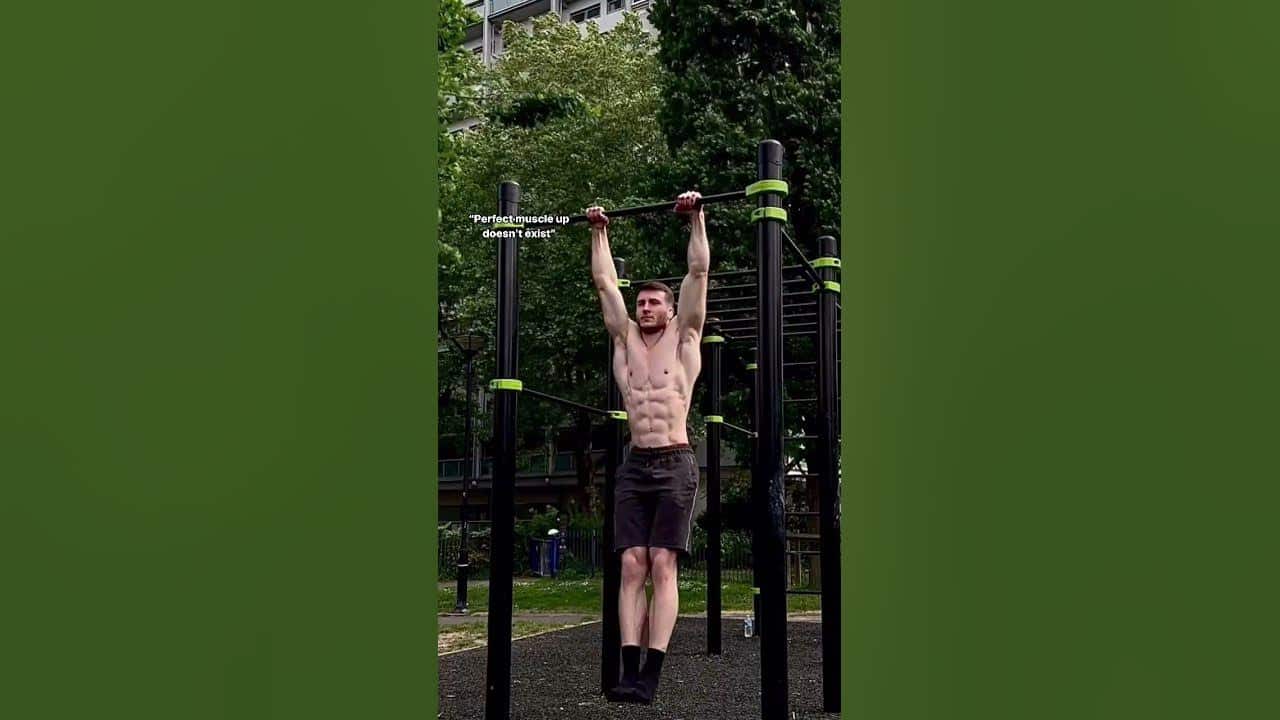
By targeting intensity over volume — and applying it wisely — this method has delivered impressive strength and physique results for hundreds. So how does it work, what makes it different, and more importantly, should you try it?
Jump to:
What Is the Two Set Method?
Contrary to what the name suggests, the two set method doesn’t mean you do only two sets in total. A typical session includes:
- 2–3 warm-up sets
- 2 working sets taken to failure using strength techniques
- Accessory isolation work (optional but recommended)
The key factor is intensity. The method calls for working sets that are pushed to failure using strategic intensifiers like rest-pause or myo-rep style protocols.
Example of a Working Set
Consider weighted dips. The first working sets are performed non-stop. Once fatigue sets in, rest for 2–4 seconds, perform another rep, rest again, and continue until complete failure.
This rest-pause approach not only increases time under tension but also boosts motor unit recruitment — making fewer sets go a long way.
Why Only Two Sets?
This isn’t random. When people push three sets to failure with a high-intensity strength tempo, it can blow out their workout completely. Recovery suffers, especially in the second exercise.
For instance, hit three all-out sets of weighted dips, and your bench press or chest press afterwards may drop 10kg or more. Progress becomes inconsistent or nonexistent.
Two sets strike the ideal balance: enough volume to stimulate adaptation, but not so much that recovery or subsequent lifts suffer. As one coach accurately calls it, “the golden middle.”
Does It Really Build Strength?
Strength methodologies are typically high in sets but lower in intensity — often stopping 1–2 reps short of failure. This makes sense in a powerlifting or Olympic lifting context to preserve central nervous system health and perfect technique.
The two set method flips the script. It combines strength techniques with failure training. Here’s how it manages to train both:
- Explosive reps: The reps are performed fast and powerful, mimicking the style of strength athletes.
- Failure with purpose: Reaching failure using a measured tempo and structured pauses allows strength adaptation to overlap with hypertrophy.
Think of it as strength training with a bodybuilder’s intensity.
The Real-World Proof
The creator of the method has shared consistent outcomes. Athletes using it have reached:
- 70kg for reps in weighted dips
- 40kg+ for reps in weighted pull-ups
These aren’t just rare feats. Dozens of people, including his brother and best friends, have repeated these results. As he says, “Can you say they’re fake? No. They got results.”
But What About Volume?
Most hypertrophy guidelines recommend 10–20 challenging sets per muscle per week. So, does doing just two sets hit that threshold?
Maybe not in quantity, but in quality — absolutely. These two sets are brutal in intensity and often require 4–5 days of recovery before training the same muscle again.
Perform the method correctly, and your soreness timeline looks like this:
- Day 1: 80–100% soreness
- Day 2: 70–90% soreness
- Day 3: 20–30%
- Day 4: 10% or residual tightness
- Day 5: Fully recovered
These sets are so taxing that more volume would become counterproductive. One could argue 2 all-out sets produce the same stimulus most people won’t get in 5–6 moderate sets.
What to Do Between Sets
Proper use of the two set method means resting 5–7 minutes between sets. Recovery is critical. Without it, you won’t have the gas to bring intensity again.
The long rest mimics strength program rest intervals and lets you approach each set with near-max effort.
Accessory Training and Isolation
While the method emphasizes compound lifts, accessory work still has its place:
- Chest press machine: Safer than bench press post-dips
- Lateral raises: Strengthens side delts — often a weak link in calisthenics athletes
- Lower back, traps, rotator cuff: Crucial for long-term injury prevention
- Forearms & wrist work: Helps with skill-based calisthenics
Arms — Optional, Not Essential
While biceps and triceps are important for aesthetics, the creator of the method often skips direct arm work. However, he admits that doing them properly requires structuring a dedicated arm day or better recovery planning.
Training Longevity and Progression
Many users can progress on the two set method for 3–5 years — seriously. But most give up too early. After a few plateaued workouts, they jump ship to another program.
Progress slows down for everyone at some point. The key is patience, strategic deloads, and proper form — not program-hopping every time intensity increases.
Why It Works So Well
The two set method works because it forces effort. Too many lifters stagnate because they train with the same weights, same reps, and call it “working out.”
This approach compresses the session into two chances to really do your best. As a result, people bring more focus and energy into each set, which drives overload — the foundation of growth.
Is It a One-Size-Fits-All Approach?
No. It’s not the best method for pure strength or pure mass. But it’s arguably the best blend of both — especially if you’re on a tight schedule or prefer brief, effective sessions.
If your primary goal is bodybuilding, higher volume protocols may work better. If strength performance is your goal, doing singles and doubles with controlled form will be better. But if you want a solid combo of both — with time efficiency — this method shines.
Final Thoughts
Anyone can benefit from this method with proper application. You’ll need:
- A strong understanding of how to train to failure
- Smart progression tracking (write everything down)
- A realistic recovery schedule (4–5 days between sessions)
With consistency, it offers a reliable way to grow muscle, improve strength, and build discipline — all without sacrificing an hour or more every day in the gym.
For busy athletes, parents, or anyone short on time — the two set method might just be your new favorite tool.