A grade two fatty liver diagnosis sounds scary, yet the liver is one of the most forgiving organs in the body.
In a recent YouTube video, a popular health educator named eight everyday foods he believes can help reverse it.
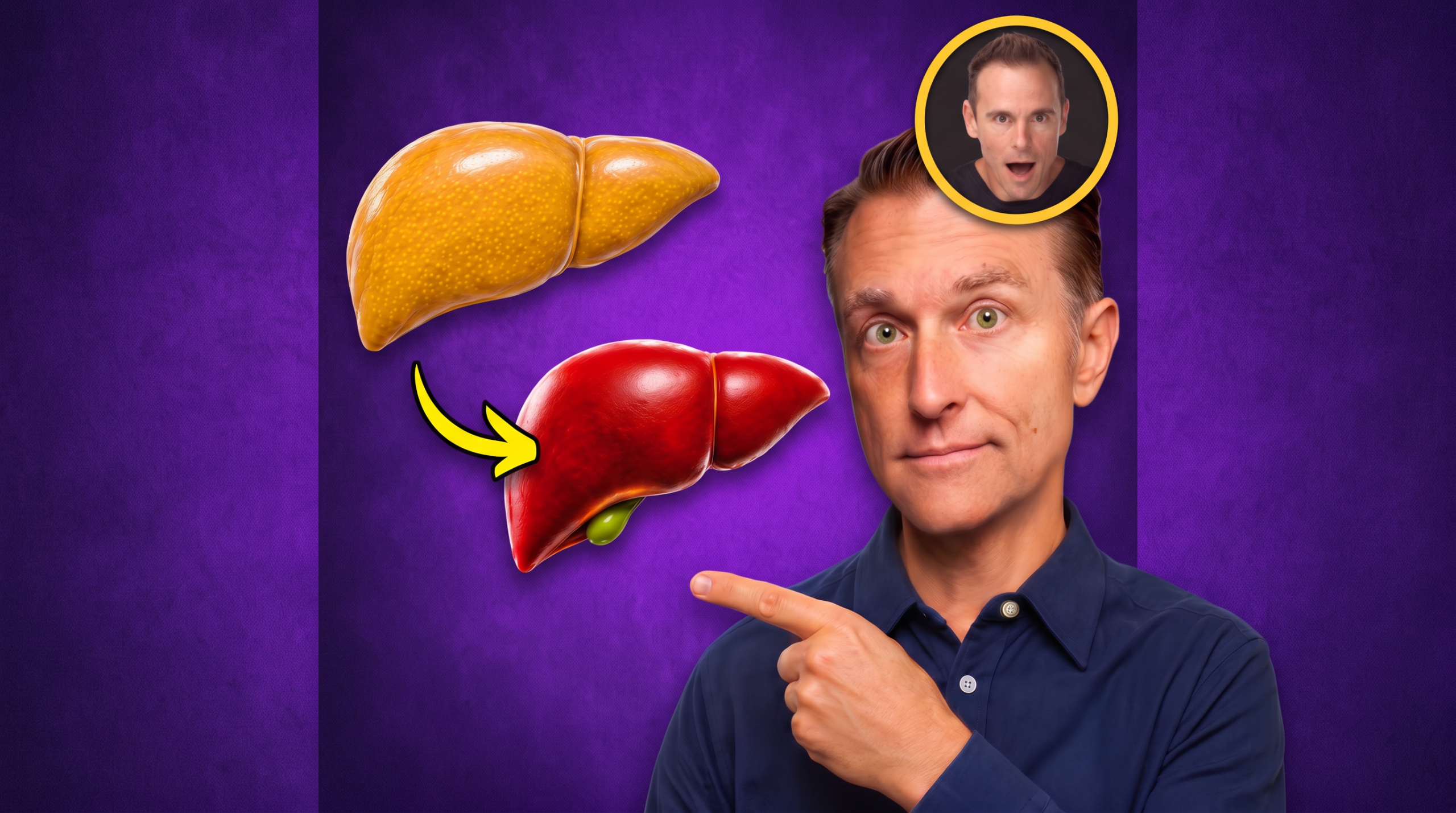
He also revealed one habit he calls even bigger than any food.
Curious what it is?
Keep reading, because that habit comes with a safety twist worth knowing.
Jump to:
What a Grade Two Fatty Liver Actually Means
Ultrasound results sort liver fat into four grades. Higher grade means more of the organ is packed with fat.
- Grade 0: normal, under 5% fat
- Grade 1: over 5% and up to 33% fat
- Grade 2: roughly 34% to 66% fat
- Grade 3: over 66% fat, considered severe
Grade two is when the liver cells really fill up with fat.
Liver cells that fill up with fat lose function. Symptoms often stay quiet for years.
Good News: The Liver Bounces Back
You can actually dissect and take out 75% and it’ll grow back within three months.
Regeneration is real, and early scarring may even improve in some cases. Still, no organ regrows while the same habits keep damaging it.
Why Normal Blood Work Can Be Misleading
Three enzymes get the most attention in liver testing.
- ALT: leaks into blood when swollen liver cells get damaged, making it the best liver-specific marker
- AST: signals damage too, but may also come from muscle or heart
- GGT: points to bile problems, such as thick bile or a stone blocking the ducts
Just because you don’t have liver enzymes on a blood test, doesn’t mean you don’t have liver damage.
Belly fat and afternoon fatigue may hint at trouble. Only an ultrasound or MRI reliably spots liver fat.
Four Main Causes of Liver Fat
1. Fructose Overload
Fructose can only be metabolized by your liver, not any other part of the body.
Large doses from high fructose corn syrup in sodas push the liver to convert sugar into fat. Table sugar and honey, split roughly half glucose and half fructose, add to the load.
Nuance matters here: small amounts of fructose are handled elsewhere in the body too. Chronic excess remains the real problem.
2. Refined Starches
Starch is pure glucose, and excess can also turn into liver fat. Bread, pasta, rice, cereal, crackers, waffles, and pancakes all count, along with hidden culprits like maltodextrin and modified food starch.
Dietary fat itself isn’t automatically the villain. Carbohydrate intake and insulin levels steer much of what happens to it.
3. Choline Deficiency
Adults need roughly 425 to 550 mg of choline daily. Beef liver tops the food list, with egg yolks second.
If someone is deficient in choline, they’re a lot more susceptible to having liver fat.
One egg delivers about 140 mg. Genetic quirks in absorption can raise needs further.
4. Excess Seed Oils
Corn and soy oils hide in fried foods, mayonnaise, and salad dressings. The speaker argues their omega-6 fats and processing byproducts drive inflammation.
Science on this point is more mixed than the claim suggests. Cutting fried and ultra-processed food is sensible either way.
Why Liver Fat Affects the Whole Body
A fat-filled liver does its jobs poorly. Those jobs include:
- Converting thyroid hormone T4 into active T3
- Building healthy blood
- Detoxifying chemicals
- Making blood proteins
The Eight Foods for a Fatty Liver
1. Eggs
Rich in choline and low in carbs, eggs give the liver what it needs without extra sugar to convert into fat.
2. Extra Virgin Olive Oil
Polyphenols make olive oil an anti-inflammatory fat. The speaker cites human trials showing up to 39% less liver fat when it becomes the main fat source, though results vary between studies.
3. Fatty Fish
Well, it’s the type of fat that’s in salmon, sardines, mackerel, high in omega-3 fatty acids.
EPA, one of two omega-3s, helps calm liver inflammation and may slow scarring.
4. Garlic
Crushing garlic releases allicin, which the speaker says nudges the liver toward fat burning.
So, you want to crush it, let it sit for 10 minutes, then consume it in your foods.
Trials on garlic and liver enzymes exist, but they tend to be small. Treat garlic as a helper, not a cure.
5. Cruciferous Vegetables
Kale, broccoli, brussels sprouts, cabbage, bok choy, and arugula supply fiber that feeds gut microbes. Their phytonutrients also support phase one and phase two detoxification and glutathione, the body’s master antioxidant.
6. Sauerkraut
Fermented cabbage delivers Lactobacillus plantarum, a microbe the speaker links to better gut lining and lower liver enzymes. He points to one randomized trial showing a 28% drop in ALT.
So, just 2 to 4 tbsp a day of sauerkraut is all you need.
7. Black Coffee
Regular or decaf both work, since coffee’s phytonutrients support liver health. Skip the sugary creamers.
8. Avocado
Avocado supplies raw materials for glutathione production, which helps repair tissue and keep inflammation down.
The Bigger Lever: Fasting
Here comes the habit teased earlier. The speaker ranks fasting above every food on the list.
Out of all the things that you can do to remove fat off the liver, and I highly recommend you do on a regular basis 18-hour window fasting every single day with a 6-hour eating window.
His routine means lunch and dinner with no snacks. Morning hunger arrives in waves.
So, if you just ignore it 20 minutes, it goes away, and then ride the wave until lunchtime and you have your first meal.
Longer Fasts and the Sea Salt Trick
Beyond daily fasting, he suggests an occasional 48-hour fast every three to four weeks, and sometimes a 72-hour fast. Day one is the toughest.
The secret is sea salt.
Sodium drops quickly early in a fast, bringing weak muscles, dizziness, a hollow stomach feeling, and poor sleep. His fix: one teaspoon of sea salt split into four portions across the day, dissolved in water or placed on the tongue.
A Safety Check Before You Try It
Extended fasting is not for everyone. Talk with a doctor first if you take diabetes or blood pressure medication, have kidney or heart disease, are pregnant, or have a history of disordered eating.
A full teaspoon of salt also matches roughly a day’s maximum sodium intake. Anyone with hypertension should be especially cautious.
Your Liver-Friendly Game Plan
- Cut back on sodas, sweeteners, and refined starches
- Add eggs, olive oil, fatty fish, garlic, crucifers, sauerkraut, coffee, and avocado
- Try a gentle eating window, such as skipping late-night snacks
- Ask a doctor about follow-up imaging and bloodwork
Fatty liver often responds well to steady lifestyle change. Weight loss, better food quality, and regular movement carry the strongest backing of all.