In a recent YouTube video, a veteran mobility coach made a case for training that barely moves at all.
Isometric holds, he says, can build serious strength, sturdier joints, and a tougher mind.
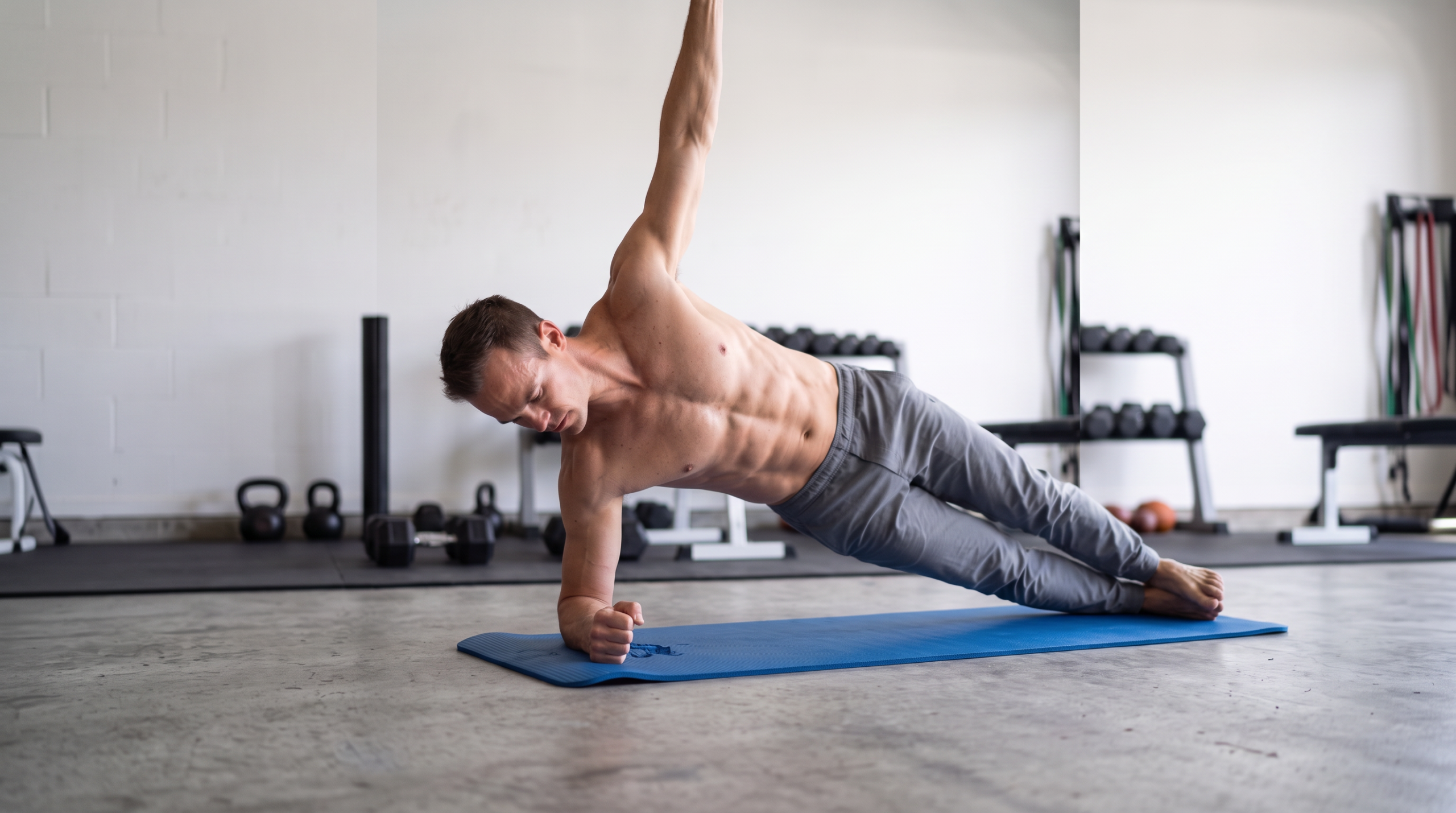
Equipment? Almost none.
His lineup runs from “surprisingly simple” to “brutally torturous.”
One of them, he claims, exposes the single weakest spot he has seen in people who work out regularly.
Keep reading to find out which one.
Jump to:
Why Static Holds Deserve a Spot in Your Routine
Isometric training is one of the most underrated ways to develop incredible amounts of strength, stability, and control.
His pitch centers on four perks you can chase from your living room:
- Stronger tendons and connective tissue
- Better joint stability
- A more resilient mind, since holding a burning position tests mental grit
- Minimal gear, with a wall, a floor, and a pull-up bar covering most of it
Lower Body Holds: From Gentle to Savage
The Wall Sit
Beginners should start here. The wall takes pressure off your joints while you build strength and mobility to eventually hold the position without support.
Tweak the setup to match your goal:
- Hips at knee height: adds quad engagement
- Wide stance, knees pulling outward: targets abduction strength
- Feet close, knees pressing together: targets the adductors
- Heels raised: brings the calves into play
Ready for a real challenge? Extend one leg.
Making this exercise infinitely more difficult, especially once you start holding that single-sided wall sit on your toes.
Pressing your hips into the wall during that version demands massive quad, calf, and core strength.
The Horse Stance
He calls it “the martial artist’s favorite torture method.” Drop your hips to knee height, pull your knees outward, and keep your back long by flexing your spinal erectors.
Add a heel raise and your foot muscles join the party. Those, he notes, are probably weak in most people.
The Bulgarian Split Squat Hold
Here, you drive your hips forward to open the hip flexors and quads of the elevated leg. Squeeze your glutes to push the hips ahead.
Progress by rising onto your toes. Calves, quads, core, and feet all work harder, effectively blending a couch stretch with a strength drill.
Support Holds That Expose Weak Links
Floor Arm Support
Start with your knees down. Tilt your pelvis forward, squeeze your glutes, round into spinal flexion, and spread your shoulders wide with arms locked.
Now try pulling your arms together for more chest work, or pushing them apart for more deltoid work. Then lift the knees and extend the legs.
If you’re doing everything correctly, you will be surprised at how much strength this simple position will require from you.
The Upright Seated Leg Hold
This is the humbling one. The coach says that after more than a decade of teaching mobility, it reveals a glaring gap.
This is probably the weakest spot I have observed in people who still regularly work out.
His explanation? Most people’s hip flexors are super weak.
Can’t stay upright for 30 seconds? Lean back. Leaning shifts load away from the hip flexors and quads, so you can gradually sit taller while keeping the leg fully extended. The long-term target is 90 seconds.
His advice for the wait: “Just drink some tea and enjoy the burn.”
Elevated Support and Pike Progressions
Raise your feet and your body weight shifts forward, demanding more from arms and shoulders. Keep the core tight and the spine flexed.
Then comes what he playfully calls “angulation, which might not be a word yet.” Bend at the hips, walk your hands closer, and keep your back straight. Your hamstrings will protest.
Finish by shrugging your shoulder blades toward your ears. This builds scapular and shoulder control while lengthening the shoulders.
The Handstand Hold
Handstand work builds on that shoulder elevation. Tilt your pelvis and brace your core so you avoid the dreaded “banana” shape.
- Move your hands closer to the wall for added control demands
- Open your legs wide and shift weight to one side
- Lift one hand to hold your shoulder, building toward 30 to 60 seconds per side
Prefer mobility? Step back from the wall, press your hips into it, and push your chest toward it. This opens the shoulders and pecs, and he stresses that your back muscles must stay switched on, never just hanging loose.
Hangs and Backward Leans
Dead Hang
He labels it one of the most important quality-of-life exercises. Let gravity do the work, relaxing everything except your forearms and hands.
Actively letting gravity pull us down as much as possible while relaxing in our entire body only keeping our forearms and our hands flexed.
Expect shoulder decompression, spinal lengthening, and serious grip strength. Once you reach 60 to 90 seconds, release one arm for single-sided hangs, which he calls “one of the best lat stretches you have ever felt.”
Active Hang
Here, arms, lats, shoulders, and lower back engage while you adopt a hollow-body position. Progress step by step:
- One knee raised
- Both knees raised
- One leg extended
- Both legs extended, forming an L hang
The L hang taxes the same hip flexor and quad strength built in the seated hold. Its tougher cousin, the L-sit, gets its own tutorial in his video.
Reverse Nordic Hold
This move doesn’t need movement. Plant your feet, lean back, squeeze your glutes, and tilt your pelvis forward to stretch the entire front of your body.
The closer you lower toward the floor, the harder it gets. Aim for 60 seconds, then build to two minutes. Add rotations to light up the obliques and transverse abdominis, holding each direction for balance.
How to Put It Into Practice
- Choose the easiest variation you can hold with good form, then progress gradually
- Flex deliberately: glutes, quads, and core should stay engaged, not passive
- Chase time goals: 30 seconds minimum for the seated hold, 60 to 90 for hangs and arm supports
- Balance both sides during single-limb and rotated work
Static training may look boring from the outside. Inside the hold, it’s anything but.