Pain on the inner knee doesn’t always mean something’s seriously wrong.
Sometimes chronic knee discomfort stems from something surprisingly simple: how you move.
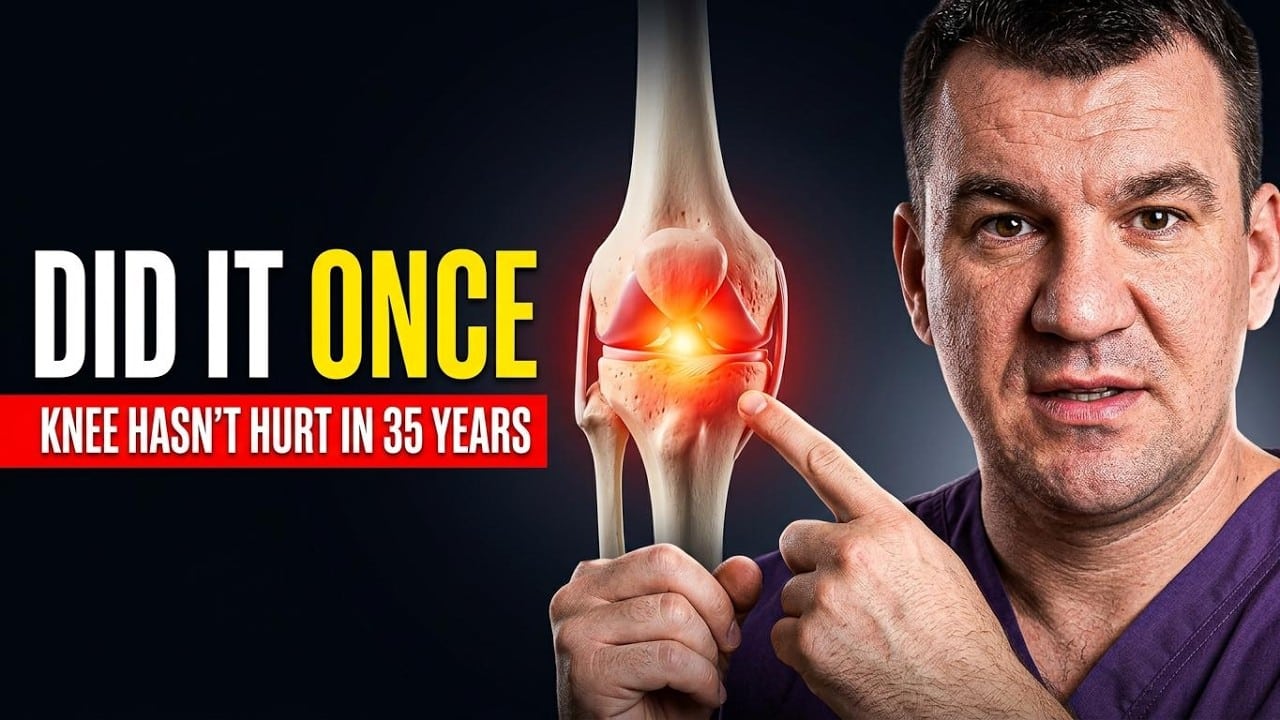
In a recent YouTube video, movement specialist and physiotherapist breaks down the most common causes of inner knee pain—and offers practical tests anyone can do at home to identify the problem.
Best part? The solutions don’t require expensive equipment or complicated routines.
Jump to:
When Knee Pain Is Actually a Movement Problem
Not all knee pain requires surgery or indicates severe damage. The physiotherapist distinguishes between acute injuries—torn ligaments, severely damaged meniscus with swelling—and chronic pain patterns that develop over time.
We’re interested in chronic pain in the knee joint, in which possibly there are some chronic injuries, maybe a little damage to the meniscus, a partial ligament tear. All of that still counts, but at the same time it hurts.
This type of pain typically appears during or after walking, without morning stiffness or significant swelling at rest.
If that description fits your experience, the culprit might be excessive tension in muscles at the back and inner thigh—specifically the semitendinosus, semimembranosus, adductors, and sartorius muscles.
When these muscles and their tendons remain constantly tensed, inflammation develops at attachment sites. Even the periosteum can become irritated, creating persistent discomfort right on the inner knee surface.
Three Simple Tests to Diagnose Your Knee Movement
Wall Test for Knee Tracking
Stand facing a wall with hands pressed against it, as if being searched. Step one leg back while keeping the front foot pointing straight ahead.
Now bend the front knee forward and watch carefully where it travels relative to your foot.
- Good alignment: Knee tracks toward big toe, middle of foot, or even little toe
- Problem alignment: Knee collapses inward, medial to the big toe
That inward collapse places excessive strain on the inner knee joint structures. Over time, climbing stairs, running, jumping, or high kicks with this pattern accelerates joint wear.
Step-Up Test
Find a step or raised surface. Place one foot on it and shift weight forward as if stepping up.
Again, observe knee tracking. Does it stay within the boundaries of your foot? Or does it drift significantly inward while your foot compensates by turning outward?
Many people unknowingly turn their feet outward to accommodate knees that want to collapse inward. This creates a deceptive appearance—the knee seems aligned because the foot has rotated to match the dysfunctional pattern.
Usually the foot adjusts to this movement of the knee by turning outward like this. And the usual way this person places their foot, including on a step, is like this.
Rotation Test
Stand with feet together. Rotate your upper body—right shoulder back, left shoulder forward.
Watch what happens to your knees during this twist. If one knee shifts inward while the other moves outward, that’s another red flag for instability.
Stable knees remain centered during rotation without drifting medially or laterally.
Why Knees Collapse Inward: Forgotten Muscles
X-shaped leg alignment develops when certain stabilizing muscles stop doing their job. The physiotherapist points to one muscle in particular: gluteus medius.
The thing is, certain muscles last worked about 15 years ago during a physical education class. Since then, for example, this gluteus medius muscle has been forgotten.
When gluteus medius weakens through disuse, muscle tissue gets replaced by fat and connective tissue. This muscle normally stabilizes the pelvis when standing on one leg and prevents knee collapse during movement.
Without proper glute function, an imbalance develops between muscles that pull the knee inward versus those that should stabilize it outward.
Both gluteus medius and gluteus maximus play critical roles in maintaining healthy knee tracking patterns.
Practical Exercises to Fix Inner Knee Pain
Seated Resistance Band Work
This first exercise reactivates dormant glute muscles using an inexpensive loop resistance band.
Sit in a chair with the band placed either above or below your knees—personal preference determines placement. Push knees outward against resistance for 15-20 repetitions.
Vary foot position across three rounds:
- Flat feet: Normal standing position
- On toes: Heels lifted off ground
- On heels: Toes raised, heels touching floor
This exercise can be done anywhere—at your desk, watching television, even on public transportation. The goal is frequent practice throughout the day, not exhaustive single sessions.
Standing Leg Abduction
For more serious rehabilitation efforts, progress to standing exercises. Lean against a wall or stable surface for balance.
Lift one straight leg out to the side, targeting gluteus medius from a different angle than seated work. This variation provides complementary muscle activation.
Banded Step-Ups
Remember that step-up test where your knee collapsed inward? Now add a resistance band around your knees and perform the same movement.
The band provides external feedback, forcing glutes to engage and preventing inward knee drift. If range of motion feels limited, adjust your starting position slightly to the side.
Again, cycle through all three foot positions: flat, on toes, on heels. Include static holds at the top position for additional muscle endurance.
Breaking Down Stair Climbing
If stairs normally trigger that inward knee collapse, consciously break the movement into deliberate stages.
Instead of one fluid motion upward, pause midway. Focus on keeping the knee aligned over the foot throughout each phase before completing the step.
First, there’s one movement, then you have two movements, which is what you’re used to. And instead of the second movement, you do two.
This conscious control retrains neuromuscular patterns that have become dysfunctional through years of compensatory movement.
Fixing Knee Collapse During Rotation
If your rotation test revealed knee instability during twisting movements, targeted mobility work helps correct the issue.
Before rotating, actively move the problematic knee outward while slightly bent. This preparatory movement improves available range of motion for the subsequent twist.
Alternatively, straighten and tighten the leg completely before rotating. Muscle engagement prevents unwanted inward drift.
For visual feedback during practice, place a ruler or straight object against your bent knee while standing on tiptoes. Press the knee against it, then rotate away from the wall.
If the knee collapses inward during rotation, the ruler falls—providing immediate awareness of movement quality.
Front Knee Pain: A Quick Note
While focusing on inner knee pain, the physiotherapist briefly addresses anterior knee discomfort around the kneecap.
Front knee pain often relates to the kneecap pressing too closely against the femur’s articular surface. This happens when quadriceps muscles become both weak and shortened, reducing kneecap mobility.
Addressing quadriceps strength and flexibility becomes essential for resolving patellofemoral pain patterns.
Consistency Over Intensity
Reversing years of dysfunctional movement patterns doesn’t happen overnight. The key lies in frequent, moderate practice rather than occasional intense sessions.
Integrate banded exercises throughout your workday—during breaks, while watching television, or as part of your morning routine. When climbing stairs or rotating your body, maintain conscious awareness of knee tracking.
Over time, these corrected patterns become automatic. Reactivated glute muscles regain their stabilizing function. Inner knee structures experience less chronic stress and inflammation.
For most people dealing with chronic inner knee pain without severe structural damage, addressing movement quality provides significant relief without medical intervention.
Just remember: if you experience acute swelling, severe pain at rest, or morning stiffness, consult a healthcare provider to rule out conditions requiring different treatment approaches.