Tracking macros can feel empowering—until it doesn’t. For many athletes and everyday fitness enthusiasts, keeping tabs on proteins, carbs, and fats becomes exhausting, obsessive, or simply unsustainable long term.
But what if you could stop tracking and still stay lean, feel strong, perform better, and hit your goals?
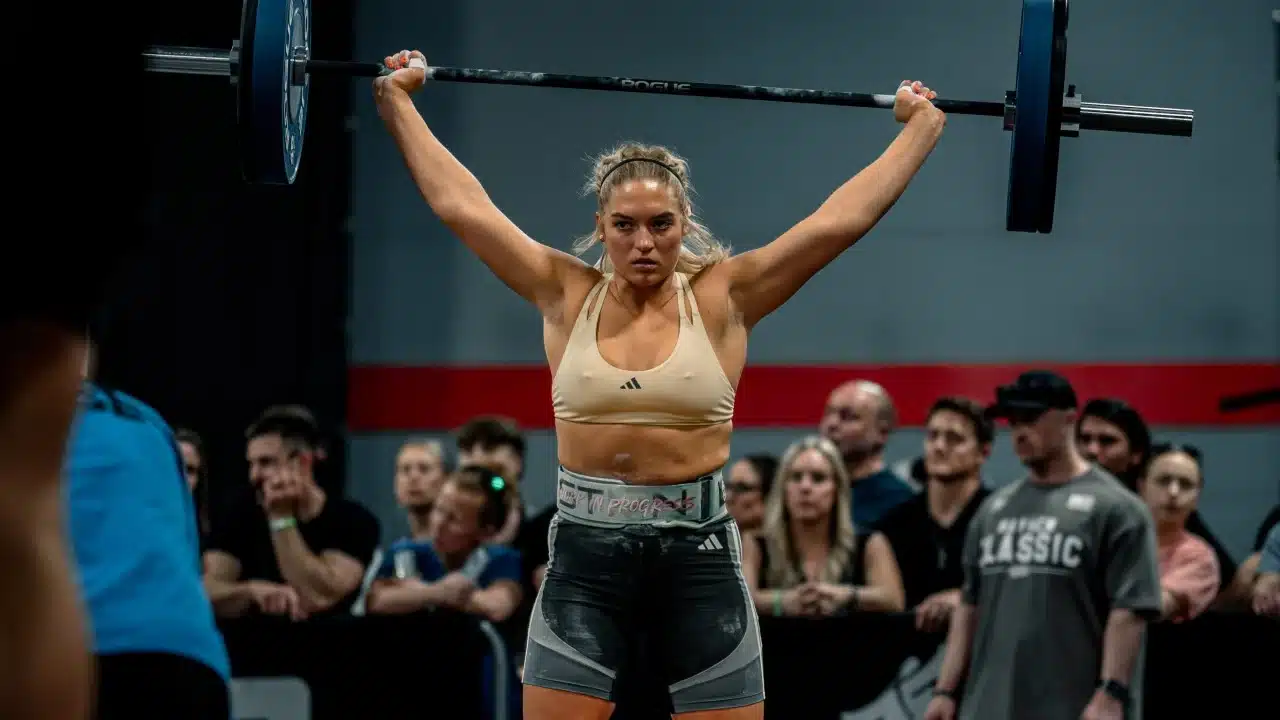
That’s exactly what CrossFit athlete Haley Adams did, and in this guide, you’ll learn how she—and many others—successfully moved away from rigid macro counting without backsliding.
You’ll discover how to transition smoothly, improve your food quality, refine meal timing, and understand intuitive portion sizes that still support performance and health.
Jump to:
Why People Want to Quit Tracking Macros
Before ditching tracking apps like MyFitnessPal, it’s important to understand why you’re ready for a change. There isn’t a one-size-fits-all answer, but here are some of the most common reasons:
- Mental fatigue – Constantly logging meals becomes a daily game of food Tetris.
- Diet monotony – Repeating the same meals for tracking convenience leads to boredom and burnout.
- Obsession with perfection – Missing a target by a few grams can lead to feelings of failure or self-sabotage.
- Lack of sustainability – Many struggle to be consistent, especially on weekends, leading to inconsistent results.
If any of these resonate with you, it may be a sign you’re ready to find a more sustainable approach to nutrition.
Step 1: Don’t Quit Cold Turkey
Going from tracking every meal to nothing overnight can be a recipe for overwhelm or backsliding. A smarter approach is gradual exposure—just like Haley Adams did during her transition away from tracking.
Start by continuing to track one or two meals per day. Focus on understanding the macro breakdown:
- What’s the protein content?
- How much carbohydrate is in the portion?
- What’s the fat content?
Next, pay attention to how the meal makes you feel—both in terms of satiety and performance. Does it fuel your workouts? Are you full for several hours? This builds internal awareness while still having a safety net of some tracking.
A helpful place to start? Stop tracking breakfast. It’s typically the easiest meal to estimate based on portion familiarity and repetition.
Step 2: Shift Focus to Meal Timing
Instead of fixating on exact macronutrient grams, start paying attention to when you eat key nutrients—it plays a big role in performance and recovery.
Carbohydrates: Your Workout Fuel
- 70% of your daily carbs should be consumed around your workout window (pre- and post-workout).
- This supports energy during exercise and jumpstarts the recovery process post-training.
Protein: Spread it Out
- You don’t need to time it precisely, but consistency throughout the day matters.
- Aim to get protein at every meal so you aren’t playing catch-up by dinner.
Fats and Veggies: Time Them Away from Workouts
- Fats and fibrous veggies digest slowly and can cause sluggishness if consumed too close to training.
- Consume around 70% of your fat and vegetable intake away from your workouts.
This style of nutrient timing builds awareness and ensures your body gets what it needs—without needing to constantly log numbers.
Step 3: Focus on Food Quality
You could hit your macros eating donuts and pizza, but that’s not going to support your long-term health or performance.
Start prioritizing food composition—the quality and nutrient density of what you eat.
- Choose whole-food carbs like fruits, potatoes, oats, and rice instead of processed options.
- Lean into lean proteins like chicken, fish, turkey, tofu, and eggs.
- Add healthy fats through avocado, nuts, seeds, olive oil, and fatty fish.
One helpful tip: Aim for 80-90% of your food from whole, nutrient-dense sources. This makes portion control easier and naturally supports better satiety and energy levels.
Step 4: Learn Intuitive Portion Sizes
Once you understand food quality, the next step is to estimate portion sizes without a scale or app. In their coaching program, Haley and her team used a “macro cheat sheet” that simplifies this process.
Visual Portion Guide
- Protein: 4 oz (about 25g) = size of your palm
- Carbs: 1 cup (about 40g) = baseball-sized serving (potatoes, rice, oats, etc.)
- Fruit carbs: 1 cup = approx. 20g
- Fats:
- 1 thumb = roughly 15g
- 1/4 cup nuts or seeds = 15g
Estimating portions by hand makes it easier to eyeball your plates, especially when dining out or eating on the go.
What to Do If You’re Still Scared to Quit
Let’s be honest—cutting away from an approach that gave you results can feel terrifying. And not everyone is ready to dive in solo. That’s where coaching and accountability come in handy.
Programs like the one Haley used provide hands-on support, personalized blueprints, and direct feedback to ensure your success even without tracking. Whether it’s group coaching or one-on-one accountability, having a plan and support system can be the key difference between yo-yoing and thriving.
You Can Quit Tracking and Still Thrive
Letting go of macro tracking doesn’t mean letting go of discipline or results. With a gradual transition, smart timing strategies, high-quality food choices, and intuitive portioning, you can maintain a lean, strong, and healthy body—just like Haley Adams, who qualified for the 2025 CrossFit Games without a tracking app in sight.
Whether you’re looking to rebuild trust with food, get rid of the mental fatigue of logging, or simply live a more flexible lifestyle, the path forward is possible—and powerful.
Want more guidance or individualized support? Check out the links in the video description to learn more about group coaching, one-on-one plans, or free tools to support your journey beyond macros.