A groundbreaking study published in Nature Communications analyzed over 40,000 MRI scans and revealed something that fundamentally changes our understanding of belly fat.
The research didn’t just confirm what scientists suspected about visceral fat—the dangerous kind that wraps around your organs.
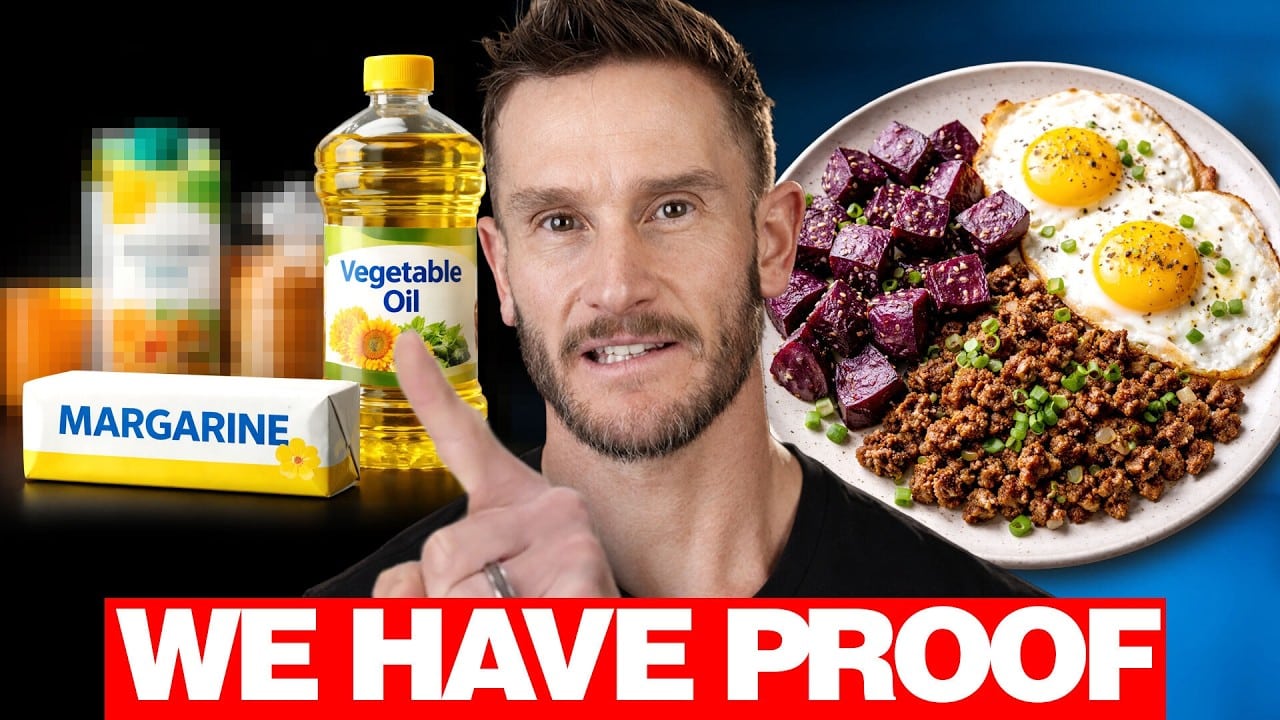
It identified exactly which foods and drinks push fat storage inward, toward that high-risk zone.
And the findings suggest that losing weight isn’t always the answer—where your body stores fat matters even more.
Jump to:
Why Visceral Fat Behaves Like a Different Beast
Until the 1990s, scientists treated body fat as inert storage. Just sitting there, holding calories, relatively harmless unless excessive.
Then researchers discovered that adipose tissue actively secretes hormones and signaling molecules. Some of this can actually be beneficial—subcutaneous fat releases leptin, which helps regulate appetite and energy expenditure.

If you want something simple that actually works, this is one of the most effective tools I’ve used to build strength, conditioning, and endurance without needing a full gym setup.
- Full-body training with one weight using swings, squats, and presses
- Solid cast iron build that feels stable and lasts for years
- Comfortable grip that makes high-rep workouts easier to handle
But visceral fat takes this to an entirely different level.
Located around the intestines, visceral fat likely evolved as an immune barrier—protecting against bacteria and particles that leak from the gut. A paper published in PNAS titled “Nutrition, the Visceral Immune System, and the Evolutionary Origins of Pathogenic Obesity” explains this concept in detail.
Visceral fat houses immune cells and macrophages. Helpful during acute infection, but when there’s constant leakage of bacterial particles like LPS (lipopolysaccharides) from the gut, those macrophages stay activated.
The result? Visceral fat becomes a chronic inflammation factory.
It secretes inflammatory cytokines—TNF-alpha and IL-6—that intensify inflammation throughout the entire body, not just locally. Visceral fat also produces high levels of RBP4 (retinol-binding protein 4), which is considered a causal factor in insulin resistance because it blocks insulin receptors in skeletal muscle.
Translation: visceral fat doesn’t just store energy. It actively sabotages your metabolism.
If you want something simple that actually works, this is one of the most effective tools I’ve used to build strength, conditioning, and endurance without needing a full gym setup.
- Full-body training with one weight using swings, squats, and presses
- Solid cast iron build that feels stable and lasts for years
- Comfortable grip that makes high-rep workouts easier to handle
Not All Fat Increases Your Risk of Death
A massive meta-analysis published in the British Medical Journal reviewed 72 studies involving over 2.5 million participants.
The findings were striking: larger thigh and hip circumference was associated with lower risk of death. But increased central fatness significantly raised mortality risk.
The critical question became: which foods and drinks push fat storage toward the center?
The 5 Worst Offenders for Visceral Fat
1. Trans Fats
A study published in Obesity tracked 42 monkeys over six years. The dose wasn’t unrealistic—8% of total energy intake from trans fats, roughly equivalent to 15-20 grams daily for humans eating typical ultra-processed foods.
Researchers used hydrogenated soybean oil, a common industrial source. The control diet was perfectly matched—the only difference was trans fats versus monounsaturated fats.
Over time, monkeys consuming trans fats gained significantly more visceral fat and showed impaired glucose metabolism.
If you want something simple that actually works, this is one of the most effective tools I’ve used to build strength, conditioning, and endurance without needing a full gym setup.
- Full-body training with one weight using swings, squats, and presses
- Solid cast iron build that feels stable and lasts for years
- Comfortable grip that makes high-rep workouts easier to handle
Trans fats didn’t just make them gain weight—they shifted where the fat went.
2. Ultra-Processed Foods
A study in Clinical Nutrition examined 1,485 older Spaniards, assessing visceral fat accumulation alongside ultra-processed food intake.
Ultra-processed foods were defined as formulations made with several ingredients, little to no fresh foods, and processes that break down the food matrix. Think soft drinks, packaged snacks, processed meats, pre-prepared meals.
Higher ultra-processed food intake was clearly associated with higher visceral fat. But here’s what’s alarming: in the United States, approximately 60% of energy intake comes from ultra-processed foods, according to research in the British Medical Journal.
Even the high-intake group in Spain consumed far less than the average American.
The mechanistic bridge? The microbiome. Diets high in ultra-processed foods cause massive gut dysbiosis. Emulsifiers, preservatives, colorants, antibiotic residues from low-quality meat—all disrupt microbial communities.
If you want something simple that actually works, this is one of the most effective tools I’ve used to build strength, conditioning, and endurance without needing a full gym setup.
- Full-body training with one weight using swings, squats, and presses
- Solid cast iron build that feels stable and lasts for years
- Comfortable grip that makes high-rep workouts easier to handle
Research in the International Journal of Obesity profiled gut microbiomes in almost 900 people and measured visceral fat using DEXA scans. Decreased microbial diversity was directly associated with increases in visceral fat.
3. Sugar-Sweetened Beverages
A study in the Journal of Nutrition examined over 2,500 middle-aged adults. Daily soda consumption was linked to significantly greater visceral fat than non-consumers.
Another study in Obesity found the same pattern—and noted that effects seemed to hit visceral fat specifically, not subcutaneous fat.
Why would soda specifically push fat inward?
One mechanism involves fat partitioning through lipoprotein lipase (LPL). Normally, LPL in subcutaneous fat is more sensitive to insulin than LPL in visceral fat. Insulin tends to push storage toward subcutaneous fat.
But with insulin resistance, subcutaneous fat becomes less responsive. More fatty acids get stored viscerally.
If you want something simple that actually works, this is one of the most effective tools I’ve used to build strength, conditioning, and endurance without needing a full gym setup.
- Full-body training with one weight using swings, squats, and presses
- Solid cast iron build that feels stable and lasts for years
- Comfortable grip that makes high-rep workouts easier to handle
Add fructose into the equation, and things get worse. Fructose activates glucocorticoids like cortisol, which also activates lipoprotein lipase. Visceral fat has a higher concentration of glucocorticoid receptors than subcutaneous fat, making it more sensitive to these signals.
Soda isn’t just empty calories—it’s a signaling cocktail of insulin resistance plus cortisol.
A study in the Journal of Clinical Investigation found that beverages sweetened with pure glucose didn’t affect visceral fat or insulin sensitivity. But drinks sweetened with pure fructose, consumed for 10 weeks, decreased insulin sensitivity and increased visceral fat.
4. Fruit Juice
People assume juice is natural and harmless. But research tells a different story.
A study in Nutrition reported that fructose made up 60% of sugars in many sugar-sweetened beverages, 52% in high-fructose corn syrup beverages, and 67% in 100% fruit juices.
Juices highest in fructose include grape juice, pomegranate juice, apple juice, and pear juice.
If you want something simple that actually works, this is one of the most effective tools I’ve used to build strength, conditioning, and endurance without needing a full gym setup.
- Full-body training with one weight using swings, squats, and presses
- Solid cast iron build that feels stable and lasts for years
- Comfortable grip that makes high-rep workouts easier to handle
Juice delivers fructose without fiber—without the brakes that regulate intake.
5. Alcohol
It’s not called a beer belly for nothing.
A study in Annals of Nutrition and Metabolism assessed body composition in almost 1,000 healthy people using CT scans. Higher alcohol intake was associated with significantly more visceral fat mass.
People consuming more than 14 standard drinks per week had a higher risk of metabolic syndrome. One standard drink equals about 12 grams of ethanol—roughly a 10-12 ounce beer or 5 ounces of wine.
Research in the World Journal of Gastrointestinal Pharmacology found that women who drink frequently were at higher risk for storing fat as visceral fat than men.
Some studies suggest that the type of alcohol matters. Beer appears worse than wine or liquor, possibly due to its estrogenic component.
If you want something simple that actually works, this is one of the most effective tools I’ve used to build strength, conditioning, and endurance without needing a full gym setup.
- Full-body training with one weight using swings, squats, and presses
- Solid cast iron build that feels stable and lasts for years
- Comfortable grip that makes high-rep workouts easier to handle
Practical Solutions to Reverse Visceral Fat
Target Visceral Fat on Purpose
Don’t just chase the scale. Remember the Nature Communications MRI analysis—only visceral fat tracked with higher cardiometabolic disease risk.
You can make meaningful health progress even if the scale doesn’t plummet, as long as visceral fat is moving.
Use Intermittent Fasting with Protein Pacing
A study in Obesity compared intermittent fasting with protein pacing versus standard calorie restriction in 200 participants.
The intermittent fasting group did either one 36-hour fast per week or two consecutive 60-hour fasts with 400 calories allowed. On non-fasting days, they consumed around 1,800 calories with high protein distribution—35% protein, 35% carbs, 30% fat, split into four meals with 20-40 grams of protein each.
The diets were isocaloric—same total calories.
Both groups improved weight loss, fat mass, visceral fat, blood pressure, and blood lipids. But intermittent fasting plus protein pacing worked better: a 33% decrease in visceral fat versus 14% in calorie restriction alone in just 8 weeks.
If you want something simple that actually works, this is one of the most effective tools I’ve used to build strength, conditioning, and endurance without needing a full gym setup.
- Full-body training with one weight using swings, squats, and presses
- Solid cast iron build that feels stable and lasts for years
- Comfortable grip that makes high-rep workouts easier to handle
They also preserved more lean mass and reported better quality of life. Desire to eat decreased by 17% in the combined group while staying the same in the calorie restriction group.
Adopt a High-Polyphenol Mediterranean Diet
A study in BMC recruited 294 participants for a year and a half—significant for sustainability. They compared three groups: healthy dietary guidelines, standard Mediterranean diet, and high-polyphenol Mediterranean diet.
The high-polyphenol group boosted intake with green tea and a green plant shake from Mankai, adding 800 milligrams of polyphenols per day.
Results:
- Healthy guidelines group: No weight loss, but visceral fat decreased by 4.2%
- Standard Mediterranean group: Lost 2.7% body weight, reduced visceral fat by 6%
- High-polyphenol Mediterranean group: Lost 3.9% body weight, reduced visceral fat by 14%
Focus on high-polyphenol foods like dark berries, dark chocolate, coffee, tea, walnuts, pecans, flax, turmeric, and artichokes.
Higher blood polyphenols correlated with more visceral fat loss. Two markers stood out: hippuric acid and urolithin, both byproducts of microbial metabolism of polyphenols.
If you want something simple that actually works, this is one of the most effective tools I’ve used to build strength, conditioning, and endurance without needing a full gym setup.
- Full-body training with one weight using swings, squats, and presses
- Solid cast iron build that feels stable and lasts for years
- Comfortable grip that makes high-rep workouts easier to handle
Prioritize Fiber for Gut Signals
A study in Microbiome found that habitual fiber intake was associated with higher baseline short-chain fatty acid concentrations. Fiber feeds gut bacteria that ferment it into metabolites.
Research in Obesity Research using CT scans over five years in 1,000 people found that for every 10-gram increase in soluble fiber, visceral fat accumulation dropped by almost 4%.
Short-chain fatty acids regulate the balance between fatty acid synthesis and oxidation. A study in PLOS ONE showed that acetic acid activated AMPK on muscle cells, increasing fatty acid and glucose uptake.
Research in Gut showed that butyrate can reduce appetite and activate brown adipose tissue through a gut-brain neural circuit.
Fiber supplies raw materials to your microbiome factory, which produces signals that push your body toward burning fat—particularly visceral fat.
Don’t Fear Fructose from Fruit
A study in Metabolism randomized obese subjects to either a low-fructose diet (less than 20 grams per day) or a moderate natural fructose diet with fruit (50-70 grams per day from fruit).
If you want something simple that actually works, this is one of the most effective tools I’ve used to build strength, conditioning, and endurance without needing a full gym setup.
- Full-body training with one weight using swings, squats, and presses
- Solid cast iron build that feels stable and lasts for years
- Comfortable grip that makes high-rep workouts easier to handle
Both were energy-restricted. In six weeks, both groups lost weight—but weight loss was higher in the natural fructose group: 9.2 pounds compared to 6.2 pounds.
The problem isn’t fructose existing. It’s fructose delivered in a form that bypasses satiety—concentrated hits without fiber, minerals, or the food matrix that slows absorption.
Whole fruit brings fiber and regulates intake. Soda and juice do the opposite.
Consider Alternatives to Alcohol
Strong data associates alcohol with visceral fat. If you can ease off, consider alternatives like kava, which hits GABA receptors similarly to alcohol without intoxication.
Hop water is another option—brands now include nootropics and herbs that provide a relaxed feeling without actual alcohol.
The Bottom Line
Visceral fat isn’t just about calories. It’s about metabolic signals, inflammation, gut health, and where your body decides to allocate fat storage.
If you want something simple that actually works, this is one of the most effective tools I’ve used to build strength, conditioning, and endurance without needing a full gym setup.
- Full-body training with one weight using swings, squats, and presses
- Solid cast iron build that feels stable and lasts for years
- Comfortable grip that makes high-rep workouts easier to handle
By avoiding trans fats, ultra-processed foods, sugar-sweetened beverages, fruit juice, and excessive alcohol—and by prioritizing intermittent fasting with protein pacing, high-polyphenol foods, and fiber—you can target the dangerous fat that truly matters.
You don’t need perfection. You need strategy.