Elite performance often looks effortless from the outside. But behind the wins, records, and perfectly executed races lies a deeply structured system.
In a recent interview, top Hyrox contender Tim peeled back the curtain on the meticulous 10-week training block that led to his exceptional form heading into the World Championships.
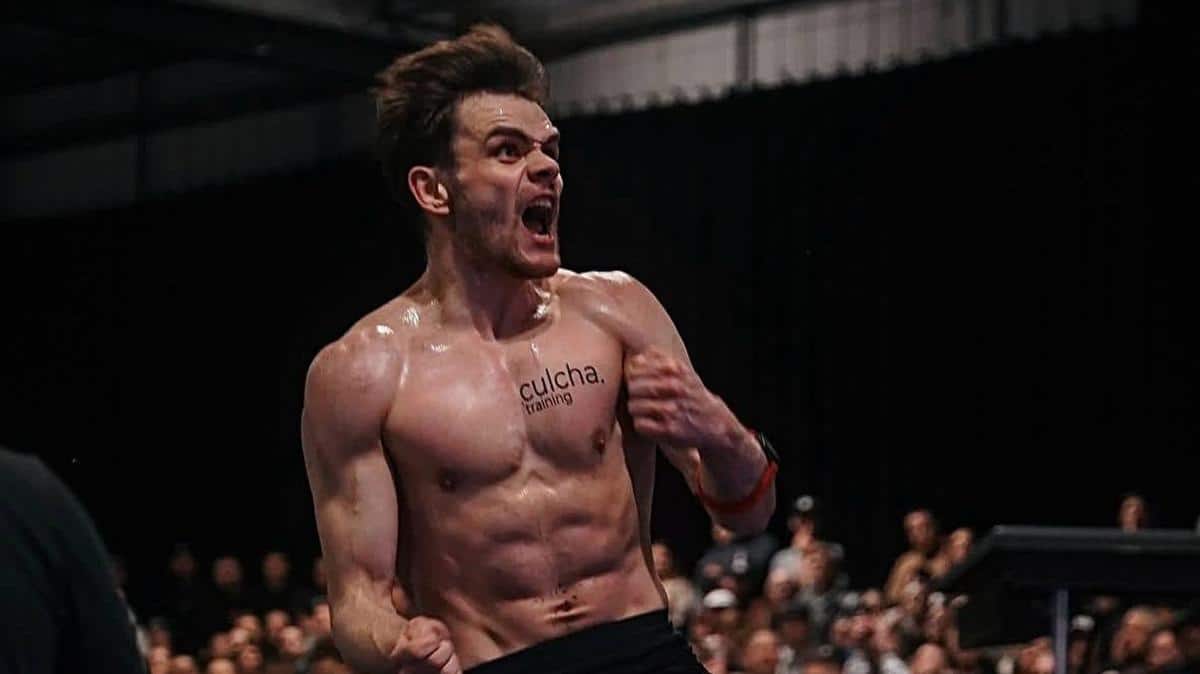
From intensive threshold workouts to a high-low periodization model, Tim’s approach blends consistency, smart strength work, and tactical recovery.
Whether you’re a competitive Hyrox athlete or just looking to upgrade your performance, Tim’s protocol offers intriguing insights into what elite-level preparation really looks like.
Jump to:
- High-Low Training Split: The Backbone of His Performance
- The High Days: How Hard Did He Go?
- Low Days: Recovery With Purpose
- Threshold Running: Calibrated for Hyrox
- Progress Through Pain-Free Consistency
- Strength Training: Power, Plyometrics, and Tendon Protection
- Final Thoughts: Train Like an Athlete, Live Like a Monk
High-Low Training Split: The Backbone of His Performance
Tim structured his week around alternating hard and easy days, a concept commonly known as “high-low periodization.”
“That works very well because you are much more motivated. After a hard day, you know you have an easy one ahead. Then of course, motivation spikes again when you return to a high day,” he explained.
A Weekly Template That Delivers
- Training volume: 18–20 hours per week
- Two sessions per day: Monday to Saturday
- Sunday: Long run or long ride, considered a low-intensity day
- Morning & afternoon split: First session around 10–11 a.m., second around 4 p.m.
This consistent rhythm included nothing fancy—just waking up at the same time, eating, training, working, and recovering. “No distractions,” Tim emphasized. “Just the same day, every day, for 10 weeks.”
The High Days: How Hard Did He Go?
On a high day, both sessions are intense—and deliberately stacked to build resilience.
For example, a typical hard day might involve:
- Morning (Part A):
- Lower-body strength training (e.g., 5×5 back squats)
- Hyrox-style functional workout (e.g., EMOMs with sled pushes, ski ergs, or rowing)
- Afternoon (Part B):
- Threshold run session like 10 x 1K at 3:18–3:20/km pace
- Short recovery: just 30 seconds jog between reps
These runs were typically done without carbon-plated shoes to increase training load. “You have to learn to tolerate heavy legs,” Tim explained. Keeping intensity at an RPE of 8–9—real race effort or even harder—was intentional and critical to his preparation.
Low Days: Recovery With Purpose
Low days weren’t lazy. They simply dialed down the intensity while keeping movement quality and consistency high.
A low day generally included:
- Morning session: Zone 2 base run (~4:20–4:30/km pace)
- Afternoon session: Light upper-body work or restorative cardio (no high heart rates)
That contrast between extremes helped maintain motivation and minimized burnout across the 10-week block.
Threshold Running: Calibrated for Hyrox
Tim’s pace during threshold sessions closely mirrored his Hyrox race pace. His strategy was intentional: train at or just below the lactate threshold to improve Hyrox-specific capacity.
His goal pace was around 3:19/km, which he matched in both training and racing. That corresponded to a finishing split of 29:06 minutes for 9.4km of running during a Hyrox event—near elite level.
“I think Hyrox pace is similar to your threshold pace, your half marathon pace. I was in shape to run a 70-minute half marathon,” Tim said.
Progress Through Pain-Free Consistency
Despite battling injuries in prior seasons—including a hip issue and thrombosis—Tim finally managed a year of mostly pain-free training. That laid the foundation for his breakthrough performances.
“This was the first year I could train consistently without pain. Finding a system I can actually recover from and handle mentally and physically was a game-changer,” he said.
Strength Training: Power, Plyometrics, and Tendon Protection
Session Design: Strength First, Then Conditioning
A typical lower-body strength session lasted under 60 minutes. Tim prioritized movements that transferred directly to performance—high-force production followed by explosive work.
- Back squats: 5×5 at 100–105kg
- Superset with: Countermovement jumps
- Unilateral work: Bulgarian split squats + jumping lunges
- Calf raises with isometric holds (for tendon strength, supported by research)
- Accessory work: Leg extensions, curls → finish with a metabolic circuit or EMOM workout
“You always lose strength when endurance increases, so I start every strength day with low-rep, heavy lifts. Then I progress into more dynamic work,” he added.
Plyometrics and Tendon Resilience
Tim emphasized exercises designed to strengthen the lower leg tendons, like pogo jumps and isometric calf holds. These not only improve power delivery in running but also help prevent injuries.
Final Thoughts: Train Like an Athlete, Live Like a Monk
What sets Tim apart is not just the intensity of his training, but the discipline behind it. His entire life during those final 10 weeks revolved around training, fueling, and recovery.
No distractions. No guesswork. Just day after day of calculated execution and personal accountability.
“Wake up, eat, train, work, train, eat, sleep. Repeat. It’s not sexy, but it works,” Tim said.
His success is proof that smart periodization, recovery emphasis, and pain-free consistency can lead to unbelievable progress—even in a grueling hybrid sport like Hyrox. For those chasing improvements, there’s plenty of inspiration—and practical tactics—to take from Tim’s blueprint.