Mike Tyson’s meteoric rise from a troubled teen in Brooklyn to the undisputed heavyweight champion of the world at just 20 wasn’t fueled by raw talent alone.
It was built on an obsessive dedication to training—a routine so intense, it still shocks seasoned athletes and trainers alike.
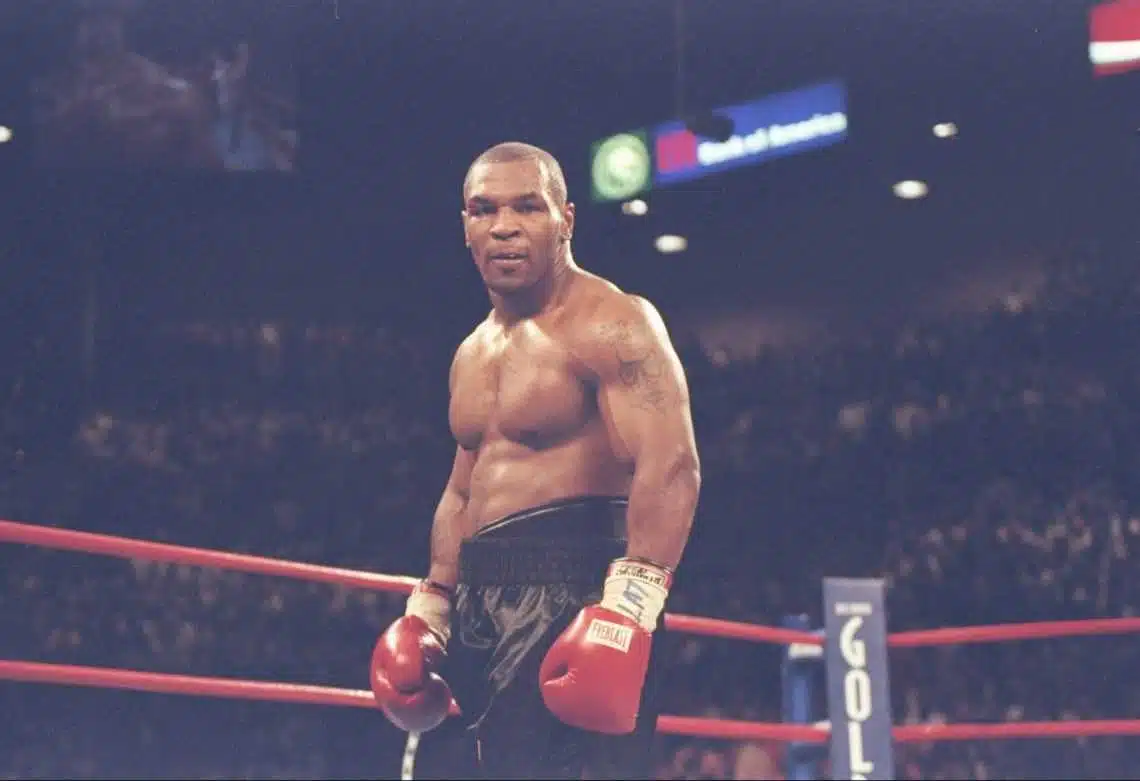
In recent breakdowns of Tyson’s legendary training, experts like Kyle Hunt and boxing historians have detailed just how relentless his schedule was.
From 4 a.m. roadwork to thousands of daily reps in bodyweight exercises, Tyson’s life was boxing. But should you try to train like him?
And what made his routine so effective—and dangerous? Let’s break it all down.
Jump to:
Tyson’s Routine: Training Like a Machine
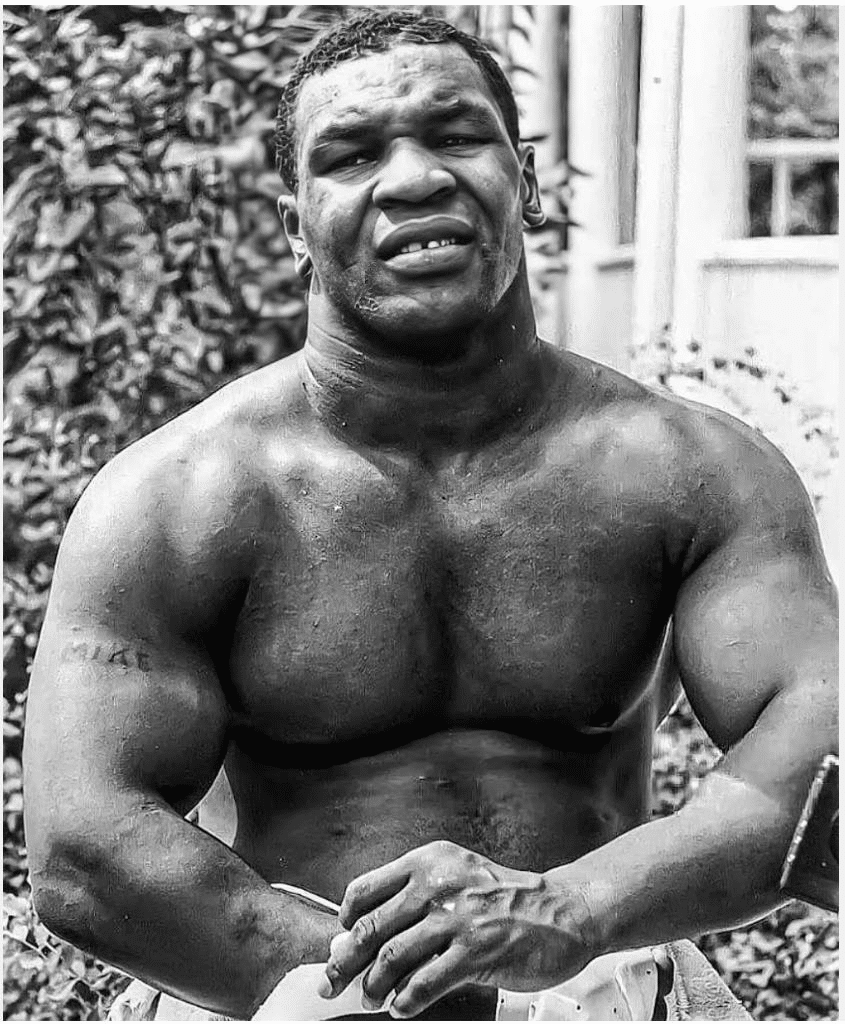
“He who is not courageous enough to take risks will accomplish nothing in life.” That quote from Muhammad Ali could’ve easily been Tyson’s mantra. His daily grind was extreme, even by professional boxing standards.

If you want something simple that actually works, this is one of the most effective tools I’ve used to build strength, conditioning, and endurance without needing a full gym setup.
- Full-body training with one weight using swings, squats, and presses
- Solid cast iron build that feels stable and lasts for years
- Comfortable grip that makes high-rep workouts easier to handle
4:00 AM: Wake, Run, and Grind
Tyson started his day before sunrise, often saying he loved knowing his opponent was still sleeping. That psychological edge mattered.
His early morning included:
- Light stretching
- 3–5 miles of roadwork
- 10 hard sprints
- Box jumps
- 500 pushups and 500 sit-ups
This mix trained both endurance and explosive power—critical for Tyson’s in-your-face style of fighting.
“He knew the other guy wasn’t doing it,” Tyson once said about his early rising habit. That mindset created not just fitness, but invincibility.
Midday: Sparring and Skill Work

After breakfast (typically oatmeal, milk, and juice), Tyson’s noon session was all about technical sharpness.
- 10–12 rounds of sparring
- Mitt work, speed bag, slip bag
- 500 air squats and 500 sit-ups
Sparring was treated as sacred by Tyson’s trainer, Cus D’Amato, who believed real fight simulation was the only way to learn. Headgear was rarely used, sharpening Tyson’s reflexes and making him harder to hit.
“The slip bag taught him the rhythm of punches,” said boxing analyst Teddy Atlas, “so he could read and react before getting hit.”
5:00 PM: Volume Calisthenics and Ring Reps
If his morning was cardio, and noon was skill, Tyson’s evening was sheer volume.
If you want something simple that actually works, this is one of the most effective tools I’ve used to build strength, conditioning, and endurance without needing a full gym setup.
- Full-body training with one weight using swings, squats, and presses
- Solid cast iron build that feels stable and lasts for years
- Comfortable grip that makes high-rep workouts easier to handle
- Heavy bag and mitts again
- Jump rope: 20–30 minutes
- Ten rounds of bodyweight calisthenics:
- 150 air squats
- 150 situps
- 50 bench dips
- 50 barbell shrugs (~60 lbs)
- 10 minutes of wrestler bridges
That added up to:
- 2,000 air squats
- 2,500 situps
- 500 dips
- 500 pushups
- 500 shrugs
- Neck bridges for cervical strength
Why the insane volume? Tyson didn’t lift weights until later in his career. Cus believed it made fighters stiff. So Tyson used repetition, consistency, and effort to build strength and endurance.
9:00 PM: Active Recovery and Mental Conditioning
Post-dinner, Tyson would ride the exercise bike for 30–60 minutes. Then, he’d watch old fight tapes or read about boxing history—fueling his mental obsession with the sport.
The Fuel Behind the Fire: Tyson’s Fight Camp Diet
Despite burning thousands of calories daily, Tyson’s diet was surprisingly basic—but effective.
Typical Fight Camp Diet:
- Breakfast: 1 cup oats, milk, orange juice, supplements
- Lunch: 12 oz chicken, 2 cups rice, juice
- Snack: Protein shake with bananas and milk
- Dinner: 12 oz steak, 3 cups pasta, marinara sauce
Estimated daily macros:
During off-camp periods, he indulged—bowls of cereal, ice cream—but in camp, discipline was king.
If you want something simple that actually works, this is one of the most effective tools I’ve used to build strength, conditioning, and endurance without needing a full gym setup.
- Full-body training with one weight using swings, squats, and presses
- Solid cast iron build that feels stable and lasts for years
- Comfortable grip that makes high-rep workouts easier to handle
More Than Physical: The Psychological Arsenal
Tyson’s mental training was years ahead of its time. Cus D’Amato implemented a psychological strategy built on confidence, fear control, and hypnotic reinforcement.
- Daily affirmations: “I’m the best fighter in the world. Nobody can beat me.”
- Hypnosis: Repeating powerful statements while in a relaxed state.
- Mind over fear: Cus taught Tyson to embrace fear and turn it into fuel.
“Fear is like fire,” Cus said. “It can cook for you, or burn your house down.”
This belief system helped build the “Iron Mike” identity—a fighter who radiated menace before he even threw a punch.
Should You Train Like Tyson?
Let’s be real—most people shouldn’t.
Tyson was a once-in-a-generation talent with the lifestyle to match. He didn’t have a 9-to-5 job or a family pulling his attention. His full-time job was becoming the best in the world.
But you can apply key principles from his approach:
1. Box Often
You don’t need to spar 10 rounds a day, but punching regularly—via classes or bag work—is essential if you’re emulating Tyson.
If you want something simple that actually works, this is one of the most effective tools I’ve used to build strength, conditioning, and endurance without needing a full gym setup.
- Full-body training with one weight using swings, squats, and presses
- Solid cast iron build that feels stable and lasts for years
- Comfortable grip that makes high-rep workouts easier to handle
2. Do Morning Cardio
Start your day with 20–30 minutes of cardio. Not 4 a.m.—unless you want to—but get moving before breakfast.
3. Embrace Calisthenics
Pushups, squats, and situps are your foundation. Begin with small sets across the day. Tyson didn’t do 2,500 situps at once—he broke them into 10 sets.
4. Train the Neck and Traps
A thick neck isn’t just aesthetic—it reduces risk of knockout. Shrugs, bridges, and a neck harness can do wonders.
5. Prioritize the Mental Game
Affirmations work. Create a personal mantra that builds your identity. Say it daily, and mean it.
“You are a fighting machine,” Cus whispered to Mike during hypnosis. You can be one too—in your own life.
What Tyson’s Journey Reveals About Greatness
Tyson’s early specialization raises questions. Did it unlock his potential—or burn him out?
From 13 to 23, he lived boxing. But after his first loss (to Buster Douglas), a mix of poor discipline, lost mentorship, and outside distractions derailed his trajectory. Some argue Tyson never truly reached his peak.
If you want something simple that actually works, this is one of the most effective tools I’ve used to build strength, conditioning, and endurance without needing a full gym setup.
- Full-body training with one weight using swings, squats, and presses
- Solid cast iron build that feels stable and lasts for years
- Comfortable grip that makes high-rep workouts easier to handle
Still, what he did achieve in such a short window is a masterclass in how far obsession and effort can take someone.
Final Thoughts: You vs. The Other Guy
Tyson’s biggest edge? He knew he was working harder than anyone else.
His schedule wasn’t magical—it was just consistent, obsessive, and relentless. That’s what made him a champion.
So, no, you don’t need to do 2,500 situps a day. But if you want results, ask yourself:
Are you doing the things the other guy isn’t willing to do?
If not, maybe today’s the day you start.
If you want something simple that actually works, this is one of the most effective tools I’ve used to build strength, conditioning, and endurance without needing a full gym setup.
- Full-body training with one weight using swings, squats, and presses
- Solid cast iron build that feels stable and lasts for years
- Comfortable grip that makes high-rep workouts easier to handle