Your favorite gym influencer’s program might be brilliant for them and mediocre for you.
In a recent YouTube video, Dr. Mike Israetel of Renaissance Periodization unpacked 10 individual differences that decide whether a borrowed plan works.
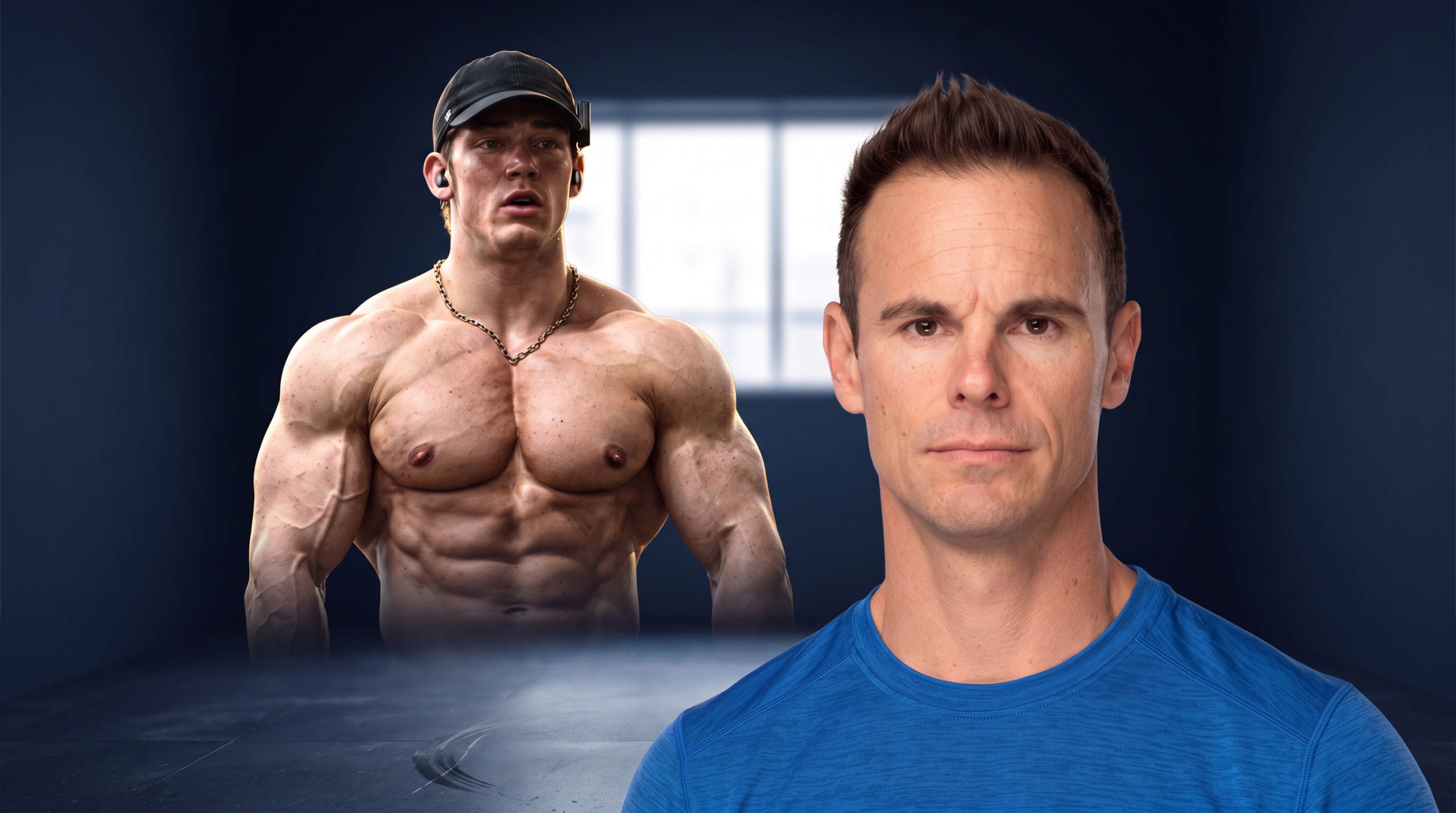
Ignore them, and burnout, nagging pain, or stalled progress await.
Spot them, and the same plan could deliver the best gains of your life.
One difference even explains why chasing someone else’s muscle shape is doomed from the start.
Jump to:
The Master Rule: Begin Low, Then Climb
Nearly every fix below follows one pattern. Pick a workload you know you can recover from, then build upward based on results.
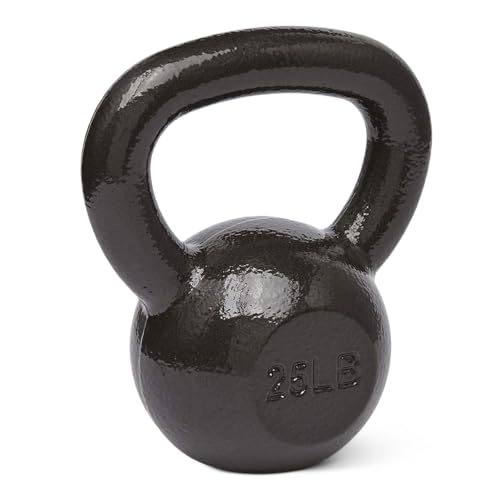
If you want something simple that actually works, this is one of the most effective tools I’ve used to build strength, conditioning, and endurance without needing a full gym setup.
- Full-body training with one weight using swings, squats, and presses
- Solid cast iron build that feels stable and lasts for years
- Comfortable grip that makes high-rep workouts easier to handle
Always start nice and low in training volume.
Israetel’s guidelines are practical coaching rules of thumb, not universal laws. Treat each as a starting hypothesis, then let your own body cast the deciding vote.
Differences in How Your Body Handles Training
1. Training Sensitivity
Sensitivity describes how much muscle you build from a given hard set. Low responders may need far more weekly sets than an influencer’s program prescribes.
Clearly your muscle can recover from it, clearly not sensitive to grow from a little bit, that’s probably what’s going on.
Barely tired, barely sore, healing quickly? Add sets gradually.
2. Work Capacity
Work capacity measures how much training you can complete while still performing productively afterward. Some lifters crush five sets of 10 to 15 across six compound lifts. Others are finished after four sets of squats.
Some programs look scary on paper, but can be done no problem if you’re that kind of person who has high work capacity.
Be brutally honest about what you can finish. If a plan lists 5 sets of 10 and that looks doubtful, try 3 sets of 10 and build from there.
Is a one-hour workout stretching into hour three? Longer rests are a red flag.
If you want something simple that actually works, this is one of the most effective tools I’ve used to build strength, conditioning, and endurance without needing a full gym setup.
- Full-body training with one weight using swings, squats, and presses
- Solid cast iron build that feels stable and lasts for years
- Comfortable grip that makes high-rep workouts easier to handle
Something has to go.
3. Recovery Ability
Recovery ability can be gauged by how many hard sets you handle in one session and still bounce back for the next one. Israetel calls the ceiling maximum recoverable volume (MRV).
- Lower MRV: Six chest sets leave you sore and weak three days later, so twice-weekly chest training backfires.
- Higher MRV: Twelve sets leave you fresh and strong in three days, so twice weekly makes sense.
Copy a program built for higher MRV and you risk burnout or injury. Copy one built for lower MRV and you may leave growth on the table.
That is going to be the best program. It’s a number you have to find for yourself.
Differences Written in Your Genetics
4. Body Proportions
Anthropometry means how your body is built. Israetel has a long torso and short femurs, so squats hammer his quads.
If you have a short torso and long femurs, your squat will probably look like a good morning and hit mostly your glutes and lower back instead of your quads.
Tweak technique first. Still no luck? Swap the exercise. Dozens of options build the same muscle.
5. Rep Range Response
Some lifters thrive on heavy fives, others on high-rep burners. An influencer’s favorite range may not be yours.
Rather than jumping fully over, nudge your reps toward their style. Usually do 15 while your influencer favors 30? Try 20 to 22 first.
If you want something simple that actually works, this is one of the most effective tools I’ve used to build strength, conditioning, and endurance without needing a full gym setup.
- Full-body training with one weight using swings, squats, and presses
- Solid cast iron build that feels stable and lasts for years
- Comfortable grip that makes high-rep workouts easier to handle
6. Muscle Shape
Kevin Levrone and Ronnie Coleman both built gigantic biceps, yet Levrone’s look smoother and Coleman’s more peaked. Shape is inherited.
Muscle shape changes very little. Only size changes a lot.
Any program promising someone else’s pecs or quads is overselling. You’ll get bigger versions of your own muscles, rounder as they grow.
7. Muscle-by-Muscle Genetics
Your chest may be elite while your calves lag. Influencers face this too.
You probably don’t know how big their triceps were before they started training seriously, or how sensitive the triceps were to growth.
Their 15 weekly triceps sets might reflect gifted genetics, not magic programming.
- Lagging muscles: More sets and sessions, if recovery allows.
- Naturally strong muscles: Often grow well on less, so avoid overcooking them.
Israetel reasons that smaller, slower-twitch muscles tend to recover quickly, which explains why they can handle extra work. That is his working theory, so verify it through your own training log.
Differences in Life Stage and Lifestyle
8. Training Age
Training age counts years of serious lifting. Israetel compares a beginner copying an advanced lifter to hopping into an F-22 cockpit on day two of Cessna lessons: thrilling, then crash.
If you want something simple that actually works, this is one of the most effective tools I’ve used to build strength, conditioning, and endurance without needing a full gym setup.
- Full-body training with one weight using swings, squats, and presses
- Solid cast iron build that feels stable and lasts for years
- Comfortable grip that makes high-rep workouts easier to handle
- Beginners: Mostly 5 to 10 reps on compound basics, prioritizing technique.
- Intermediates: 5 to 20 reps across compounds and isolations, with sets close to failure.
- Advanced lifters: Full 5 to 30 rep range, with exercises that deliver a strong mind-muscle connection.
Flip it around, too. A young star with great genetics may be only intermediate, so veterans can outgrow that influencer’s programming.
Inspiration is great, and you can get that from anybody, including your favorite fitness influencer, but application to your needs is undefeated.
9. Biological Age
Flexibility, recovery, and injury risk all shift after your 30s and 40s. Older lifters should lower the weight, add about five reps, and pause at the bottom of lifts. If your influencer does sets of eight, try thirteen.
Younger lifters following veterans can lean toward basic lifts, fewer high-rep sets, and small weight PRs in the 5 to 10 and 10 to 20 ranges.
Folks ask why I don’t personally train as heavy as I used to and as hardcore. The answer is, I don’t want to get hurt. And I’m 42. That’s the whole answer.
10. Lifestyle
Work hours, family stress, sleep, and nutrition consistency all shape recovery. Some influencers train like pro athletes with no day job. Others sleep poorly and party hard, so their programs may be conservative despite the glossy lifestyle.
Ambitious plan? Start easy with fewer sets. Plan too easy while you recover great? Add a set or two.
Your Plan, Your Gains
Your gains will be your gains. You can’t have Sam Sulek’s gains. Them’s his gains. Do your best.
Israetel also suggests apps like RP Hypertrophy, which adjust workouts automatically based on your actual session-to-session responses.
If you want something simple that actually works, this is one of the most effective tools I’ve used to build strength, conditioning, and endurance without needing a full gym setup.
- Full-body training with one weight using swings, squats, and presses
- Solid cast iron build that feels stable and lasts for years
- Comfortable grip that makes high-rep workouts easier to handle