Jonah Hill’s weight-loss journey is a powerful reminder that transformation doesn’t happen in a straight line. His evolution—physically, emotionally, and professionally—spans over a decade in the public eye, reflecting a broader truth: real change is rarely simple, and never just about the scale.
Hill, who first shot to fame in 2007’s Superbad, has faced a very public battle with his weight. In the early days, he was often cast as the comedic sidekick—the “funny fat guy”—a role Hollywood has historically boxed into stereotypes. At his heaviest, he reportedly weighed around 280 pounds. But over the years, his physique shifted dramatically, sometimes for roles and other times for personal growth. The key takeaway from Hill’s journey isn’t a number—it’s that body image and self-worth are deeply intertwined, and lasting change goes far beyond appearance.
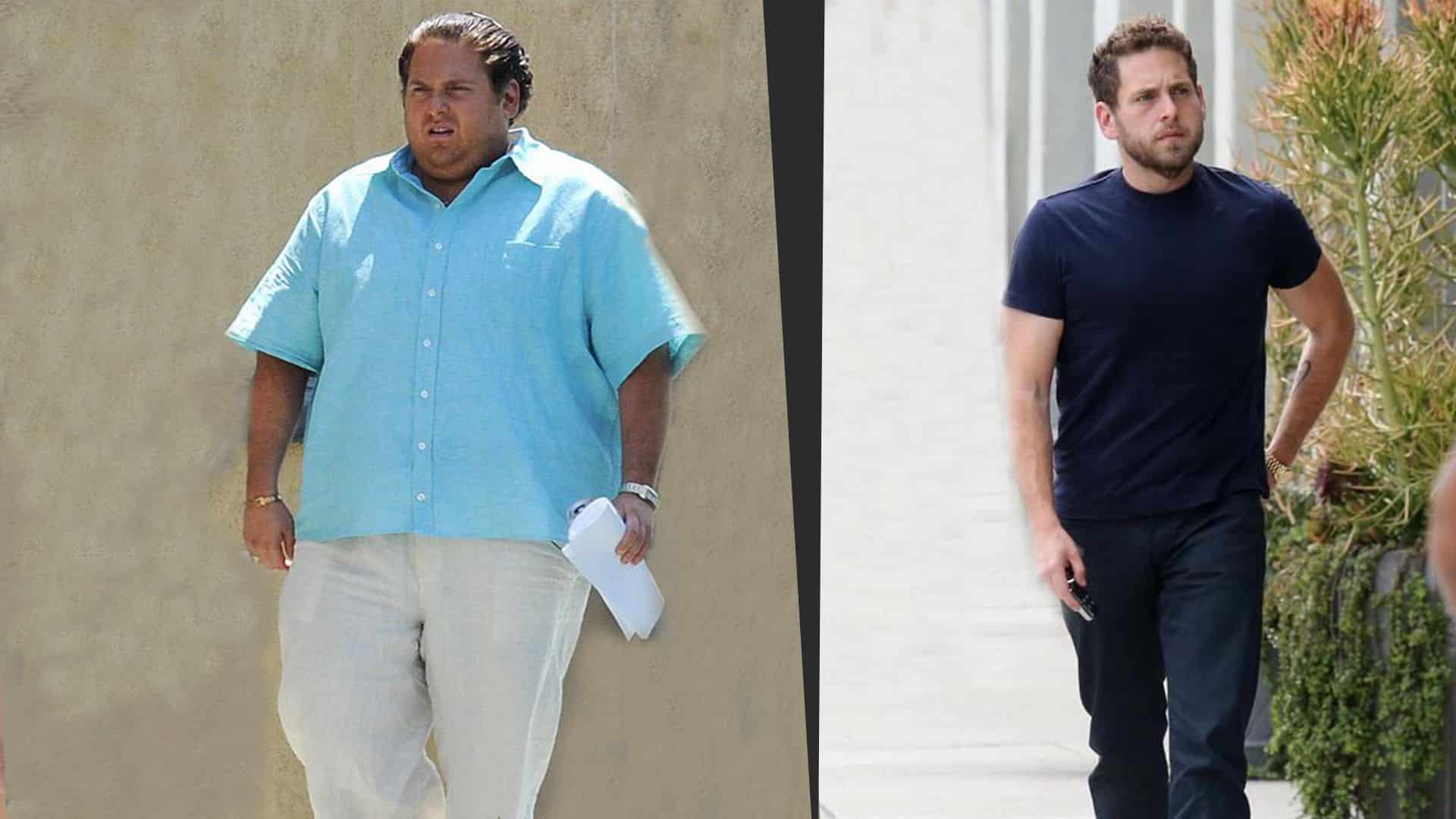
In his own words, “I’m under construction, like we all are.”
Jump to:
- From Typecast to Trailblazer: How Hollywood Shaped Hill’s Image
- The First Turning Point: Post-Moneyball Motivation
- Gains, Losses, and Roles: The Yo-Yo Years
- The Diet That Helped Jonah Hill Slim Down—and Stay Down
- How Jonah Hill Moves: The Workouts That Changed His Body
- No Quick Fixes: Supplements and Surgery Speculation
- A Journey of Self-Worth, Not Perfection
From Typecast to Trailblazer: How Hollywood Shaped Hill’s Image
Early success brought unwanted scrutiny. While his breakout in Superbad earned laughs, it also cemented a public image tied to his size. In a candid interview with Ellen DeGeneres in 2019, Hill shared how years of being labeled as “fat and gross and unattractive” left deep emotional scars.
During that appearance, he discussed his self-published zine, Inner Children, a project born out of years of body shame. In it, he wrote: “Even if you get success, you grow up, or become good-looking—you carry some part of that with you. For me, it’s being this 14-year-old kid—being overweight, wanting to fit in… and not understanding my own worth.”
The irony was clear—while he tried to distance himself from being judged for his appearance, even his movie scripts echoed the stereotype. In Funny People, his character jokes, “There’s nothing funny about a physically fit man.” It was a reflection of how deeply that identity was ingrained—on and off screen.
The First Turning Point: Post-Moneyball Motivation
The first noticeable shift came in 2011, after filming Moneyball alongside Brad Pitt. Hill shed a significant amount of weight, sparking media buzz and fan intrigue. When asked about the change, he downplayed any secret formula. “I wish there was some crazy thing I did… I just went to a nutritionist and he told me what to eat,” he told ABC News.
That nutritionist’s advice? Track your food and eat smarter.
Hill began journaling everything he ate and emailing it daily to stay accountable. He famously sent one of those food logs to rapper Drake by accident—a funny moment that highlighted just how committed he was.
Another breakthrough came from an unlikely source: Channing Tatum. In a 2017 interview with Jimmy Fallon, Hill recalled calling his 22 Jump Street co-star for advice. “Hey, if I eat less and go to a trainer, will I get in good shape?” he asked. Tatum’s blunt response: “Yeah, you dumb motherf**er, of course you will.”*
That honest nudge helped launch a more consistent health journey.
Gains, Losses, and Roles: The Yo-Yo Years
After slimming down in 2014 to reprise his role in 22 Jump Street, Hill bulked back up by over 40 pounds for 2016’s War Dogs, where he portrayed real-life arms dealer Efraim Diveroli. As his acting career flourished, so did the demands on his body.
His weight became a visible pendulum—often reflecting the roles he took on. The emotional toll of this fluctuation wasn’t lost on him. In his 2022 Netflix documentary Stutz, Hill opened up about how weight and mental health were never properly framed for him growing up.
“When I was a kid, exercise and diet was framed as, ‘There’s something wrong with how you look.’ It was never about mental health. I wish that had been presented differently.”
This marked a shift—not just in his public appearance, but in how he approached fitness and well-being overall.
The Diet That Helped Jonah Hill Slim Down—and Stay Down
Instead of rigid dieting, Hill found success in sustainable lifestyle changes. One of his biggest shifts was switching from pizza and processed snacks to Japanese food, particularly sushi. He’s mentioned multiple times that sushi became his go-to meal, not only for taste but for its nutritional profile.
He credits his weight loss in large part to reducing junk food, choosing whole grains, and sticking to lean proteins like fish. Some staples in his eating plan include:
- Sushi (without tempura or mayo)
- Leafy greens
- Fresh fruits
- Low-fat dairy
- Grilled chicken or tuna
- Whole-grain rice or quinoa
What he avoids is just as important:
- Processed foods
- Refined carbs
- Sugary snacks
- Pizza
- Beer
That last item—beer—was his admitted weakness. In multiple interviews, including The Kyle and Jackie O Show, Hill confessed, “It’s so annoying because when I don’t drink beer, I get really really thin. Then when I drink beer, I get a little bigger.”
How Jonah Hill Moves: The Workouts That Changed His Body
Unlike many Hollywood transformations driven by extreme gym routines, Hill focused on consistency and variety. He never subscribed to a single workout program but instead explored what worked for both his body and his mental well-being.
His routine includes:
- Running: Helped him build endurance and burn fat.
- Boxing: A favorite that he trains in regularly at NYC’s Gotham Gym.
- Brazilian Jiu-Jitsu: Practiced 4–5 times a week; Hill now holds a white belt.
- Push-Ups: Started with just 10 a day, building up to 100 daily.
- Resistance Training: Twice a week for strength and toning.
A typical week looks something like this:
| Day | Workout Focus |
|---|---|
| Monday | Running, Jiu-Jitsu, Boxing |
| Tuesday | Push-ups, Boxing, Running |
| Wednesday | Resistance Training, Jiu-Jitsu |
| Thursday | Push-ups, Jiu-Jitsu, Boxing |
| Friday | Resistance Training, Jiu-Jitsu |
| Saturday | Running, Push-ups, Boxing |
| Sunday | Rest |
What’s clear is that Hill embraced movement as therapy, not punishment. He’s said that running in particular became a way to “run physically instead of emotionally.”
No Quick Fixes: Supplements and Surgery Speculation
Despite his dramatic results, Hill hasn’t pushed or promoted any supplements. In fact, he’s said very little about using them at all. That hasn’t stopped rumors from swirling.
Some outlets speculated that his transformation was due to lap band surgery, a procedure that restricts food intake by shrinking the stomach. However, Hill has never confirmed any such surgery, and his own accounts consistently point to lifestyle over shortcuts.
If there are any supplements he might benefit from based on his diet, they could include:
- Protein powder (to support muscle gains)
- Fish oil (for Omega-3 benefits)
- Multivitamins (to cover any nutritional gaps)
But again, none of this is part of Hill’s public story. His transformation stands as a testament to habitual change and mental resilience, not magic bullets.
A Journey of Self-Worth, Not Perfection
What makes Jonah Hill’s story so relatable isn’t the weight loss itself—it’s his honesty. He doesn’t pretend the journey has been easy or perfect. He’s acknowledged setbacks, joked about his own insecurities, and spoken openly about how the world’s expectations affected him.
Today, Hill seems more confident—not just in his body, but in how he defines success. Whether heavier or leaner, he’s made it clear that the goal was never about fitting Hollywood’s mold. It was about feeling good in his skin.
His story serves as a reminder to anyone navigating their own wellness path: you don’t have to be perfect—just willing to grow.