Kristen Bell has built more than just an impressive Hollywood career—she’s cultivated a fitness philosophy rooted in flexibility, mental wellness, and strength that extends far beyond physical appearance.
In recent interviews with outlets like Shape and Business Insider, the actress has pulled back the curtain on her evolving workout routine, revealing how she’s achieved what she calls “the best body I’ve ever had at 44.”
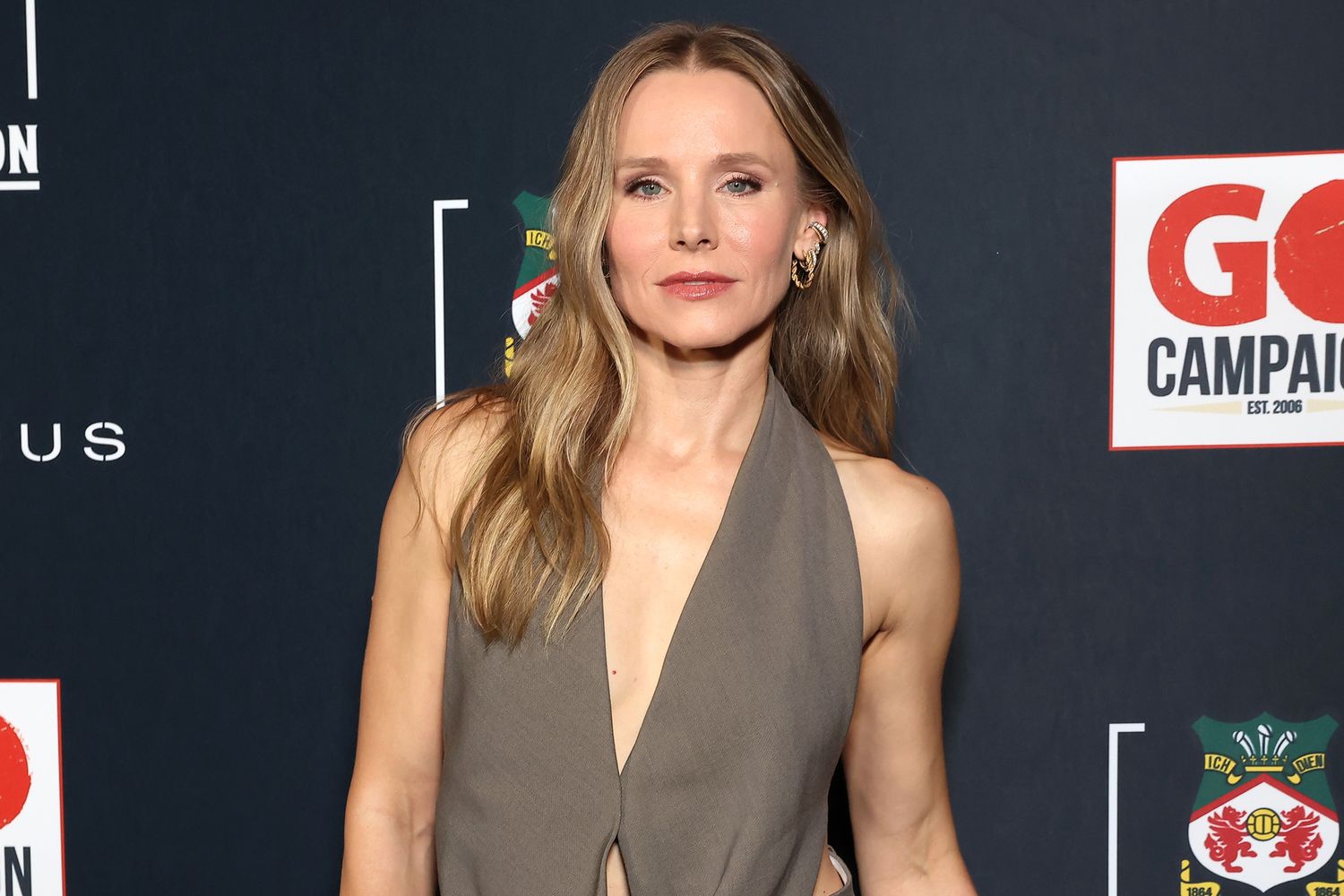
Her approach challenges conventional celebrity fitness narratives by prioritizing functional strength, mental health benefits, and realistic integration into a busy mom’s schedule.
From “exercise snacking” throughout her day to competing with husband Dax Shepard on challenging bike routes, Bell’s fitness journey reflects an authentic commitment to well-being over aesthetics.
Jump to:
- Daily Movement Matters More Than Perfect Workouts
- Exercise Snacking: Fitness in Micro-Doses
- From Pilates to Heavy Lifting: A Strength Evolution
- Competitive Spirit Fuels Workout Motivation
- Dietary Shifts Support Strength Goals
- Mental Health Benefits Drive Commitment
- Practical Takeaways from Bell’s Approach
Daily Movement Matters More Than Perfect Workouts
Bell’s fitness foundation rests on a simple principle: do something every single day, even when motivation runs low.
The Nobody Wants This star told Shape in April 2021 that she aims to “run or lift weights for at least 30 minutes” most days. But she’s learned not to punish herself when energy levels don’t cooperate.
If I don’t have the energy, I refuse to beat myself up. Instead, I’ll do a 10-minute meditation or stretch class on YouTube to prioritize myself.
This flexible mindset represents a departure from rigid celebrity workout regimens. Bell recognizes that consistency trumps intensity—a philosophy that makes fitness sustainable rather than punishing.
Exercise Snacking: Fitness in Micro-Doses
With two daughters and a demanding career, Bell pioneered what trainers now call “exercise snacking”—brief bursts of movement scattered throughout the day.
Her creative approaches include doing tricep dips while running lines with fellow actors, lunges during family walks, and squats while her kids play.
Sometimes my workouts are sliced into my day in one-and-a-half-minute segments. I try to habit-stack, too. I let the dogs out to pee at 9 p.m. every night, and then I do 24 squats. I’ve done that every night for six months, and it’s great because I don’t have to make time.
The actress keeps weights in her kitchen for bicep curls during dinner prep. She sprints up her driveway “10 or 15 times” when time allows.
These micro-workouts accumulate, creating substantial fitness benefits without requiring gym commutes or hour-long sessions.
From Pilates to Heavy Lifting: A Strength Evolution
Bell’s workout routine has undergone significant transformation over the years, reflecting her evolving fitness goals and physical capabilities.
Back in 2019, the actress told Women’s Health that Pilates three times weekly made her feel “so much stronger” after years of feeling “waifish…or pregnant.” She credited the practice with rebuilding her abdominal wall after childbirth.
I’ve never felt physically strong. I felt waifish…or pregnant. And I’m loving the fact that if we ever get attacked by ninjas, I would be a valuable asset.
But by 2025, Bell had shifted focus entirely. Heavy lifting became her primary training modality, delivering results that surprised even her.
For a long time, I did workouts that were tailored to women like Pilates. I enjoy those things but I really hit my stride and probably have the best body I’ve ever had at 44—not just in terms of shape but also strength, endurance, and capacity—when I started heavy lifting.
This transition challenges outdated notions that women should avoid heavy weights. Bell’s experience demonstrates how strength training builds functional capacity that enhances overall quality of life.
Competitive Spirit Fuels Workout Motivation
Bell discovered an unexpected fitness catalyst during COVID-19 lockdowns: competing with Dax Shepard.
When her husband intensified his training during the pandemic, Bell’s competitive nature kicked into high gear.
My husband started working out a lot during COVID-19, and because I’m so competitive, I follow whatever he’s doing.
This dynamic pushed Bell into new fitness territories, including challenging cycling routes. When Shepard began tackling “a huge hill” daily to build quad strength, Bell started with her own “formidable” neighborhood incline.
Her approach to exercise variety reflects this competitive drive as well.
I’m very active but I never commit to just one workout because I like to challenge myself. There will be six weeks where I hike every day and the minute it feels a little bit comfortable, I’ll switch.
This constant rotation prevents adaptation plateaus while keeping workouts mentally engaging. Boredom becomes impossible when challenges constantly evolve.
Dietary Shifts Support Strength Goals
Bell’s nutrition journey mirrors her fitness evolution, particularly regarding protein intake to support heavy lifting.
After 30 years as a vegetarian—including some years as a vegan—the actress made a significant dietary change in 2022 by reintroducing meat.
It finally didn’t feel weird to me. I felt like I needed and wanted it. Now I try to eat high-protein like my husband to support the lifting.
Rather than following restrictive diets, Bell practices what she calls “conscious eating”—a mindful approach that allows flexibility while maintaining awareness.
I have to eat carbs because I have to memorize 11 pages of dialogue, and I can’t do that eating spinach and chicken. I’m not super restrictive…but I am mindful of the portion I take. I find that through conscious eating, I’m able to have all the rewards and also maintain a healthy, steady diet.
This balanced philosophy rejects all-or-nothing thinking. Bell recognizes that cognitive performance requires adequate carbohydrates, especially for memory-intensive acting work.
Mental Health Benefits Drive Commitment
Perhaps most significantly, Bell views exercise as essential mental health maintenance rather than purely physical transformation.
The actress has been refreshingly honest about struggling with depression and anxiety—and how movement helps manage both conditions.
To me, being healthy means feeling good about the choices I’m making, and most important, it’s about keeping fit mentally and physically. I’m constantly reminding myself it’s not about my thighs: It’s about my commitment and my happiness level.
In January 2021, Bell shared an Instagram post about finally returning to her treadmill after two difficult weeks, acknowledging both the struggle and the accomplishment.
I’ve been struggling the last 2 weeks, for who-knows-why-slash-ALL-the-reasons. Today I finally got back on the tredmill, figuratively and literally. And I’m proud. ‘Good job, kb.’ I said to myself. To anyone who’s been feeling the same, you can do it. Just do the next right thing.
She elaborated to Women’s Health about exercise’s neurochemical benefits.
I feel so much stronger, and it’s a physical feeling, but it’s also a mental one. It should be the first stop for anyone who experiences depression or anxiety because it encourages serotonin and endorphins. I feel so much more centered, patient, capable.
This perspective reframes fitness entirely—positioning it as preventive mental healthcare rather than vanity-driven body modification.
Practical Takeaways from Bell’s Approach
Bell’s fitness philosophy offers actionable lessons for anyone seeking sustainable wellness:
- Consistency beats perfection: Even 10 minutes of stretching counts when full workouts aren’t feasible
- Stack exercise with existing habits: Attach movement to daily routines like letting pets outside or cooking dinner
- Switch modalities before boredom sets in: Changing activities every 6 weeks prevents mental and physical plateaus
- Don’t fear heavy weights: Strength training delivers functional benefits beyond aesthetics, especially for women over 40
- Use competition constructively: Partner workouts or friendly rivalry can boost motivation
- Prioritize mental health benefits: Exercise’s psychological impacts often outweigh physical transformations
Bell’s journey demonstrates that fitness doesn’t require perfection, just persistence. Her approach makes wellness accessible rather than aspirational—showing that real strength comes from showing up consistently, even in small ways.