

Every year, new anti-aging hacks flood social media feeds—supplements, skincare regimens, and wearable gadgets all promising vitality and longevity.
But a 12-year study recently revealed a foundational truth that’s hard to sell in a bottle: your strength might be your strongest ally in the fight against time.
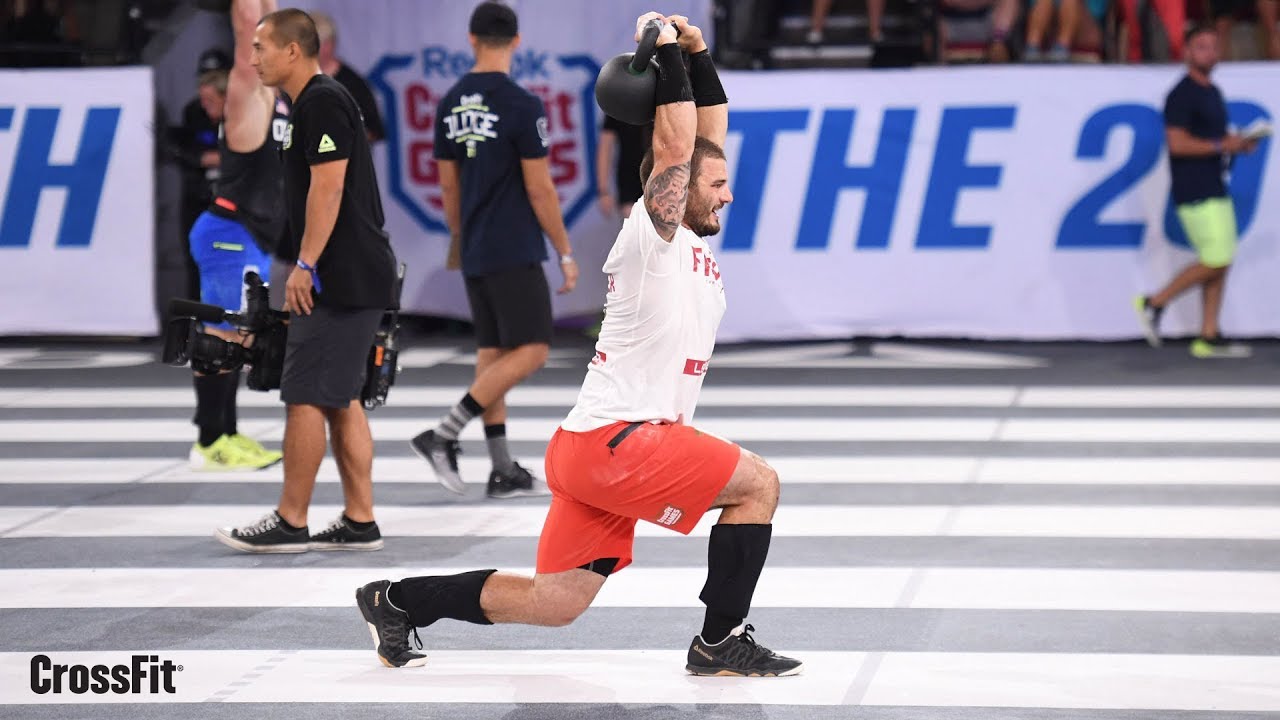
In a recent study published in the Journal of Strength and Conditioning Research, scientists followed adults over 50 and found that low grip strength was linked to a 45% higher risk of death. When that weakness extended to core and leg strength, the risk skyrocketed to 69%.
“Weakness isn’t just a symptom of aging—it’s a predictor of it,” writes John Welbourn, former NFL lineman and founder of Power Athlete. “Strength is survival.”
Jump to:
Muscle Is More Than Aesthetic
Strength isn’t about bench-pressing monumental loads or looking like a bodybuilder. It’s functional. It’s tied to how you move, how well you recover, and whether you stay independent as you age.
Grip strength in particular is a significant biomarker. According to research, it correlates with nervous system efficiency, muscular coordination, and total-body resilience. If your grip fades, chances are other systems in your body are starting to lag, too.
The good news? Strength is trainable. Even better—training doesn’t require cutting-edge equipment or hours in the gym. What it demands is consistent effort and smart programming.
Three Powerful Movements to Build Real-World Strength
1. Russian Kettlebell Swings
Don’t let the simplicity fool you—swings are a powerhouse movement. They train glutes, hamstrings, shoulders, and—most importantly—grip strength. Plus, they improve your ability to generate and transfer power across the body.
“Russian swings build hip explosiveness and demand a firm grip,” Welbourn says. “The limiting factor isn’t always your hips, it’s how long your hands can hold on.”
How to do them:
- Set a timer: 20 minutes
- Every minute on the minute (EMOM): perform 10–15 swings
- Focus on a tight hinge and straight arms—no bent elbows
Adjust weight as needed, but don’t underestimate going heavy. Welbourn’s gym uses bells ranging from 35 to 203 pounds.
2. Suitcase Deadlifts with a Kettlebell
This isn’t just for grip—it’s an outright test of core control and stability. Load one side of your body with weight and resist the urge to lean or contort. It’s like anti-aging in exercise form.
“This reveals your body’s hidden weaknesses,” says Welbourn. “You can’t hide poor posture or imbalance when you load unilaterally.”
How to perform:
- Pick up a heavy kettlebell with one hand
- Stand tall without tilting or leaning
- Control the descent—it’s not a speed race
- Do 6–8 reps per side
3. Fat Bar Deadlift Holds
This grip-heavy isometric movement looks simple—but quickly humbles even seasoned lifters. Thicker bars increase the surface area and resistance, pushing grip endurance to the limit.
“Try holding a 2-inch bar for 20 seconds—your forearms will burn, and your lungs won’t be far behind,” Welbourn notes.
How to train it:
- Use a 2” thick bar or add fat grips to any standard barbell
- Pull to the top of a deadlift and hold
- Perform 3–4 holds of 10–20 seconds
- Focus on full-body tension—tight glutes and neutral hips
Strength Translates to Healthspan
Muscle does more than improve performance; it directly supports your longevity. Multiple studies have shown that muscle mass and strength are linked with reduced risks of falls, fractures, insulin resistance, cognitive decline, and even cancer.
This makes grip training—something often overlooked—an essential part of any training plan. It’s not about ego. It’s about whether you’ll be able to open a jar at 75 or carry your groceries without help. It’s about resilience.
It’s Never Too Late to Get Stronger
While aging naturally brings decline in physical capabilities, training can offset—and even reverse—many of its effects. You don’t need to train like an elite athlete, but consistency is key.
Start with three basic principles:
- Move weight with intention. Prioritize controlled strength training over random cardio.
- Train grip directly at least twice a week—swings, carries, or static holds work wonders.
- Recover with purpose. Sleep, hydration, and nutrition are essential for muscle repair and growth.
Final Takeaway: Strong People Really Are Harder to Kill
The numbers don’t lie: muscle mass and strength equal longer life. Grip strength in particular is now a proven predictor of longevity. Training it is more important than ever.
“Muscle doesn’t just help you move,” Welbourn says. “It buys you time—more time with your kids, doing what you love, staying independent.”
So the next time you skip the gym or rush through a workout, remember this: the price of weakness isn’t just lost strength—it’s lost time.
Train to stay alive. Because in the battle against aging, resilience isn’t built overnight—it’s forged with every rep.
“Strong people are harder to kill and more useful in general.” — Mark Rippetoe










