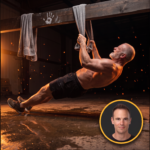
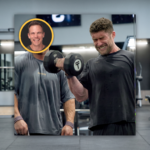
Ask almost anyone in the gym chasing a six-pack, and you’ll hear the same routine: a daily dose of crunches, planks, and maybe some flutter kicks.
But here’s the reality check — that’s not how visible, muscular abs are built. In fact, most people train abs in a way they’d never use for other muscle groups. And then they’re shocked when results never show up.
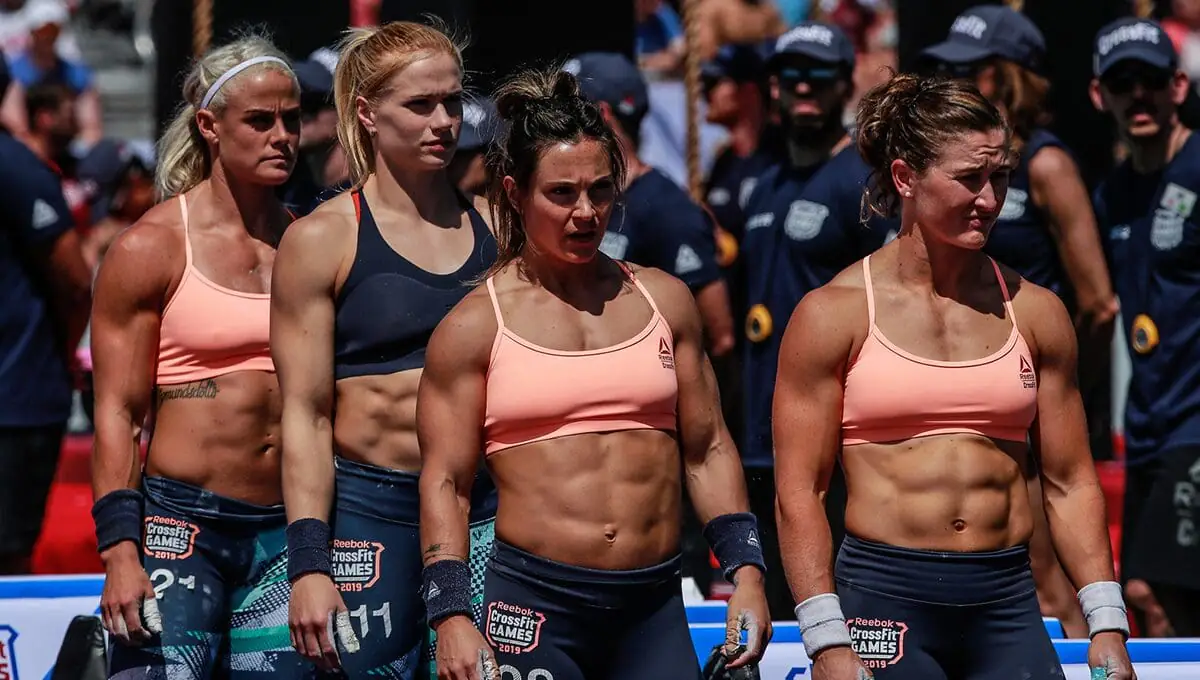
In a refreshingly honest video from Dr. Mike of RP Strength, he breaks down the misconceptions around ab training — and what it really takes to build those eye-catching abs.
The truth? Abs grow the same way every other muscle grows: through progressive, intelligently programmed resistance training over time — not endless crunches or late-night ab belts off TV.
Jump to:
The Biggest Myth: Abs Are Made by Crunches
One of the most widespread fitness myths is that doing more ab exercises alone will get you visible abs — or even shrink your waist. Many people assume that training your abs will magically strip the fat away from your belly. Unfortunately, that’s just not how physiology works.
Here’s what ab training does NOT do:
- It won’t spot-reduce belly fat.
- It won’t make your waist smaller — in fact, it could increase your waist size slightly.
- It won’t make your abs visible at higher body fat levels (like 20%+).
“There is no mechanical way by which bigger muscles can get you a smaller anything,” says Dr. Mike. “Training your abs will not reduce the fat on your abs — it doesn’t work like that, period.”
So What Does Ab Training Actually Do?
Here’s the truth: training your abs builds the actual muscle. Just like training your chest or quads, progressive overload (increased weight, reps, or control) will make abdominal muscles larger over time.
Stronger, larger abs can make your midsection pop slightly more — especially when you’re leaner. However, the increase in visual definition will be modest, even under ideal conditions. Dr. Mike puts it this way: “You’re not going to go from having zero ab visibility to looking like an anatomy chart just from training.”
What about obliques?
Yes, they can be trained too. If you want your sides to appear more defined, you need to go beyond holding two dumbbells and leaning sideways. That cancels the resistance out. Try single-dumbbell side bends with the opposite hand behind your head, or cable woodchoppers — exercises that actually challenge the muscle throughout the full range of motion.
Why Ab Training Fails for Most People
If ab training really works like any other muscle training, why aren’t most people seeing results?
1. They don’t train hard enough
Most people end their ab workouts before they’ve even begun. Think about watching someone at the gym: they hit the mat after their main workout, do a few sets of 30+ crunches, scroll their phone mid-plank, then call it a day.
This doesn’t create enough tension, resistance, or progression to stimulate muscle growth. At best, it’s maintenance. At worst, it’s a complete waste of time.
2. They don’t train long enough
Temporary motivation spikes — like an upcoming beach trip or vacation — push people to hit abs for a few weeks. But strength and hypertrophy don’t appear after 4–6 weeks. They build slowly, over years. If you’re not willing to commit for the long haul, ab training isn’t going to reward you with major physical transformation.
3. They chase unrealistic results
Many believe they’ll develop a six-pack at any size if they just crush enough crunches. But at higher body fat levels, your abs simply won’t show, no matter how strong they are. There’s a reason bodybuilders only look “shredded” right before a competition — they diet down to impressively low body fat levels (often below 10% for men) to make those muscles visible.
Remember: If you can’t see your abs, it’s not because they’re weak or under-trained — it’s because there’s still fat covering them.
How to Actually Train for Bigger Abs
The secret is simple — but not easy. Train your abs like every other muscle group:
- Training frequency: 2–4 times per week.
- Sets per session: 3–6 working sets.
- Reps per set: 5–30 reps. Ditch the 100 crunches — quality beats quantity.
- Intensity: Work sets should have 0–3 reps in reserve (that is, close to failure).
- Progressive overload: Increase resistance or reps steadily over time.
Focus on movements that apply real tension through a full range of motion. This can include:
- Weighted cable crunches
- Hanging leg raises with control
- Ab rollouts
- Machine crunches
- Single-arm dumbbell oblique side bends
If your abs aren’t sore the next day or two, or if the exercise feels easy, you likely aren’t providing enough stimulus. As Dr. Mike puts it: “Ab training means you get into good resistance profiles, with good mechanics, and you make the movement hard.”
The Truth No One Wants to Hear
Your abs are already there — you’re born with them. You don’t “create” a six-pack with exercises. You grow the muscles under the fat and reduce fat through smart nutrition and lifestyle changes to reveal them. That’s it.
So should you train your abs?
Yes — if:
- You want mildly more developed abs to better show through at lower body fat.
- You’re ready to treat them like any other muscle group — with dedication, intensity, and time.
- You don’t expect magic from a 6-week summer program.
No — if:
- You’re hoping ab training alone will shrink your waist.
- You think it will reveal abs through layers of fat.
- You’re not ready to commit for months or years.
Your Abs Aren’t Special (Train Them Like They’re Not)
“People think ab training is different than every other muscle training, and that’s basically 100% the opposite,” says Dr. Mike. “It is exactly the same as every other muscle training.”
If you can commit to training smart, progressively load your exercises, and combine that with a controlled diet to reach lower body fat levels, visible abs are a realistic goal. But if you’re hoping for shortcuts — well, there’s a reason most people are still chasing that six-pack fantasy.
Start small. Stay consistent. And above all, treat your abs with the same respect you give quads, chest, and back day. That’s the real secret to unlocking your core potential.