Forty isn’t what it used to be—at least not in professional sports.
When Croatia’s Luka Modrić took the field against England at 40 years old, he joined a record-breaking cohort of eight players aged 40 or older competing in the 2026 World Cup—more than all previous tournaments combined. Formula One driver Lewis Hamilton is still racing at 41, while tennis legends Serena and Venus Williams recently received a Wimbledon wildcard at ages 44 and 46.
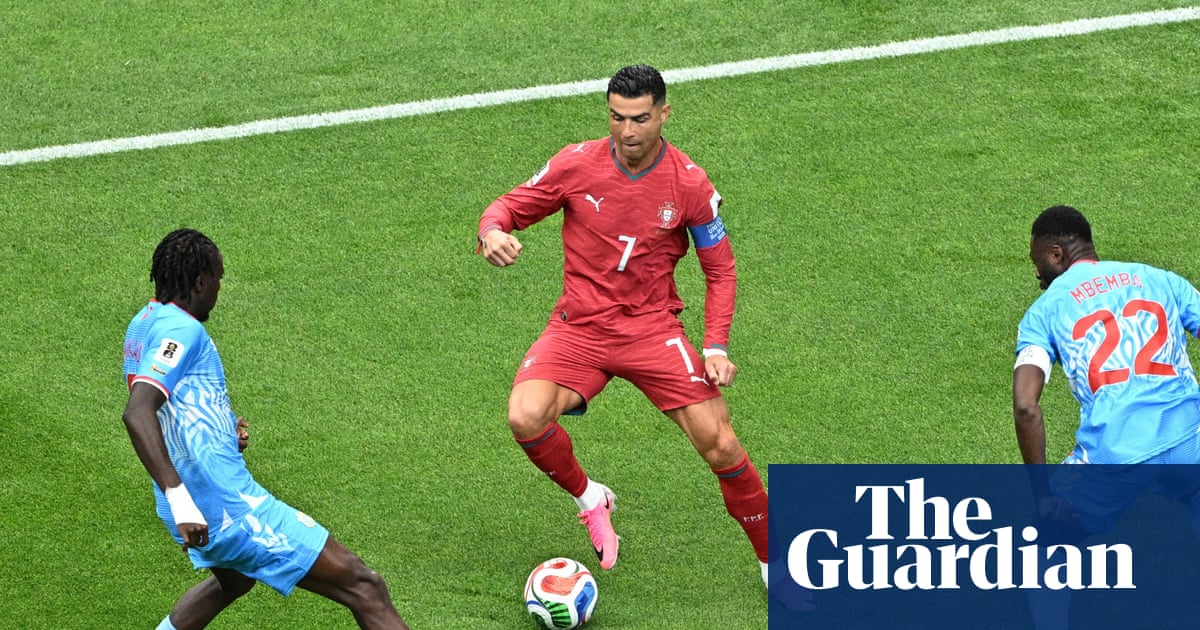
Elite athletes are staying competitive longer than ever before, shattering expectations about when careers should end.
But what’s behind this trend? Better genetics, smarter training, or simply better management of the aging process?
Jump to:
Athletes Really Are Getting Older
Data confirms that elite competitors are extending their careers significantly. According to the Centre of Excellence in Population Ageing Research, the average age of Olympians has jumped from 25 to 27 since 1992—a two-year increase that reflects a broader pattern across sports.
In football, male players averaged 26 years old in 1990 but 27 in 2018. Female players saw an even larger shift, from 23 to 26 over the same period.
Athletes don’t stop ageing. What sports science has done is help them slow the rate of decline and maximise what they have left.
Dr. Liam Anderson, an exercise physiologist at the University of Birmingham, emphasizes that this doesn’t mean athletes are peaking later. Rather, they’re staying competitive longer by combining decades of tactical knowledge with cutting-edge recovery strategies.
Not All Sports Age the Same Way
Aging hits different sports—and different positions—in dramatically different ways.
Dr. Paul Hough, a sport and exercise scientist at the University of Westminster, explains that explosiveness deteriorates fastest. Speed-dependent athletes like sprinters typically retire in their mid-thirties, while marathon runners compete well into their forties.
One of the fitness qualities that most deteriorates is our explosiveness, so the ability of a muscle to produce force quickly.
At the Tokyo Olympics, short-distance runners averaged 25 years old, while swimmers clocked in at 22-23. Marathon runners, however, averaged 30 for men and 31 for women, with some competitors reaching 44.
In football, goalkeepers enjoy the longest careers, followed by defenders and midfielders. Forwards, who rely heavily on speed, typically decline earliest.
Technical Sports Favor Experience
Sports requiring precision over raw physicality show even more dramatic age advantages. Equestrians at Tokyo averaged 39 years old for men and 36 for women, while sailing, shooting, and similar disciplines regularly feature competitors in their forties and fifties.
Smart Athletes Adapt Their Game
The most successful aging athletes don’t fight their declining speed—they work around it.
Cristiano Ronaldo exemplifies this adaptive strategy. He began as an explosive winger relying on sprints and quick bursts, but gradually transitioned to playing as a central forward where tactical positioning matters more than raw speed.
He started out as a winger and used to heavily rely on his speed and explosiveness, but he’s gradually adapted his game, so he’s more just an out-and-out forward now and not having to make those sprints all the time, because he’s reading the game better.
Serena Williams recently returned to tennis—but in doubles, where tactical awareness compensates for reduced physical demands compared to singles play.
Modern Professionalism Changes Everything
Today’s athletes treat their bodies like finely-tuned machines, applying discipline to every aspect of training, recovery, nutrition, and sleep. Financial incentives have transformed dramatically too—extending a career by two or three years can now mean millions of additional pounds in earnings.
Dr. Alex Ireland at Manchester Metropolitan University points to massive environmental improvements across sports infrastructure.
If you think about pitches in the 70s and 80s, even the 90s, at Premier League clubs like Manchester United and Arsenal, they were quite poor. Now, I go and watch Altrincham occasionally, which is a fifth division side, and it’s like a carpet.
Better playing surfaces reduce energy expenditure and injury risk. Advances in footwear, balls, and protective equipment have similarly contributed to career longevity.
Injuries That Once Ended Careers Now Just Pause Them
Medical advances have transformed previously career-ending injuries into temporary setbacks. Cruciate ligament tears, which would have forced retirement 25-30 years ago, now typically require six to nine months of rehabilitation before full return to competition.
Recovery Science Has Revolutionized Training
Dr. Tom Brownlee, a sports scientist at the University of Birmingham who previously worked with Liverpool FC, emphasizes that recovery enables sustained high-intensity training.
Recovery is really important because you can maximise adaptation and allow more sustained high-intensity training. If you’re not fully recovered then you can’t go again so hard with training the following day.
GPS tracking technology has revolutionized load management. Sports scientists now measure not just distance covered but every sprint, acceleration, and deceleration. This allows older athletes to identify when backing off training will prevent overuse injuries while maintaining peak performance.
Elite athletes routinely use ice baths, saunas, compression garments, and blood monitoring to optimize recovery. Brownlee describes these as marginal gains—worthwhile only after mastering fundamental sleep, nutrition, and training protocols.
Genetics and Luck Still Matter
Prof. Joseph Baker at the University of Toronto cautions against oversimplifying the longevity of superstars like Ronaldo and the Williams sisters.
They are among the very best to ever play the game. That makes the explanation for these age effects hard to decipher.
Genetics undoubtedly play a role, as does access to resources unavailable to most competitors. Some athletes simply avoid the serious injuries that derail equally talented rivals—a matter of fortune as much as preparation.
What This Means for Everyday Athletes
While elite athletes benefit from blood monitoring and ice baths, Brownlee notes that most people haven’t mastered the basics yet.
For us average Joes, we don’t necessarily need to be placing our focus there because very few of us have got our sleep, nutrition, training and our rest dialled, and that’s where we should be focused.
The foundation of longevity remains simple:
- Consume plenty of fruits and vegetables
- Eat sufficient protein for tissue repair
- Prioritize adequate sleep for recovery and adaptation
- Acknowledge that bodies age and adjust training intensity accordingly
Adapt Your Training as You Age
Hough identifies a common mistake among aging athletes: attempting to replicate the training volume and intensity from their twenties.
A common issue I see is that people try to replicate the training they did when they were in their 20s, the same intensity and volume, but the body is not able to recover as quickly as it used to, which means your next training sessions are affected.
Training more frequently but with reduced intensity or volume allows the body adequate recovery time while maintaining consistency.
It’s Never Too Late to Start
Dr. Alex Ireland regularly encounters competitors in their seventies, eighties, and nineties at masters athletics events. Many took up training only later in life.
It’s never too late to start, but you just have to be careful and progressive about it. Your body will adapt, your muscles and bones will get stronger, it will just take longer, and you have to be a little bit cautious and not do too much, or too high in intensity.
Dr. Lorcan Daly at the Technological University of Shannon argues that many changes attributed to aging actually stem from inactivity. French cyclist Robert Marchand demonstrated this by improving both aerobic fitness and his one-hour cycling record between ages 101 and 103.
Mindset Matters as Much as Physiology
When Baker interviewed older masters athletes, he discovered they didn’t deny aging—they accepted inevitable decline while remaining committed to training and competition.
The most interesting thing for me was the realisation that while they understand that their performance will go down as they get older, they were empowered to try to prevent this as much as they could through continued involvement in training and competition. This engagement in hard work and challenging activities is a much better predictor of performance maintenance than age is.
The secret to athletic longevity isn’t any single breakthrough—it’s the accumulation of small improvements in recovery, nutrition, sleep, and training management. Combined with acceptance of aging and continued engagement in challenging activity, these factors allow both elite athletes and everyday exercisers to remain competitive far longer than previous generations thought possible.