Cutting calories doesn’t mean sacrificing flavor or feeling constantly hungry.
In fact, strategic meal planning can keep you satisfied while torching fat.

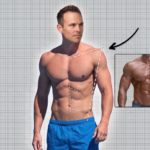
One fitness enthusiast recently shared their complete daily eating plan while cutting—three satisfying meals totaling 2,000 calories that prove you can eat well and still lean out.
Here’s exactly what they ate, why it works, and how you can apply these principles to your own cutting phase.
Jump to:
Starting Strong: A Protein-Packed Breakfast
Morning nutrition sets the metabolic tone for your entire day, and this breakfast delivers without unnecessary calories.
The meal consists of scrambled egg whites loaded with mushrooms, onions, spinach, and turkey bacon, seasoned with garlic powder and topped with goat cheese. Alongside sits a bowl of oatmeal prepared with almond milk, two packets of Splenda, blueberries, and kiwi, plus two fish oil capsules for essential omega-3 fatty acids.
This single meal provides 59 grams of protein—nearly a third of what most people need daily.
Egg whites offer pure protein without added fat, while turkey bacon adds savory satisfaction at a fraction of regular bacon’s calorie cost. The vegetables contribute fiber and micronutrients that support recovery and immune function during caloric restriction.
Oatmeal provides sustained energy through complex carbohydrates, perfectly timed before a training session. Blueberries and kiwi add antioxidants that combat exercise-induced oxidative stress, while almond milk keeps calories in check compared to whole dairy.
Post-Workout Recovery Meal
After crushing a gym session, refueling becomes critical for muscle preservation during a cut.
The post-workout meal features chicken salad with lettuce, chicken breast, mushrooms, strawberries, blueberries, turkey bacon, and skinny girl salad dressing, topped with goat cheese and accompanied by a banana.
Chicken breast remains the gold standard for lean protein, delivering essential amino acids without excess calories. The combination of berries provides fast-digesting carbohydrates alongside polyphenols that may reduce inflammation and accelerate recovery.
Timing matters when you’re cutting—placing your largest carbohydrate portions around training maximizes glycogen replenishment while minimizing fat storage risk.
Following the main salad, a strategic snack of rice cakes with sunflower seeds bridges the gap until dinner. Rice cakes offer volume and crunch with minimal calories, while sunflower seeds contribute healthy fats and additional protein.
Evening Satisfaction: Dinner and Dessert
Contrary to outdated myths about avoiding carbs at night, the final meal proves you can eat satisfying food before bed while staying lean.
Dinner consists of ground turkey over cauliflower rice, mixed with Greek yogurt, shredded cheese, and Sriracha for flavor.
Ground turkey provides another protein dose while remaining budget-friendly and versatile. Cauliflower rice substitutes traditional rice, dramatically reducing calorie density while adding fiber and volume that promotes satiety.
Greek yogurt doubles as both a creamy sauce and protein booster, while cheese adds satisfaction that helps prevent late-night cravings. Sriracha contributes essentially zero calories while making meals more enjoyable—a crucial factor for diet adherence.
Perhaps most impressively, dessert features an entire pint of low-calorie ice cream.
Modern low-calorie ice cream options utilize protein and fiber to create volume without excessive calories, allowing dieters to enjoy substantial portions without derailing progress. This psychological win matters enormously during extended cutting phases.
The Science Behind This Approach
This meal plan exemplifies several evidence-based strategies for successful fat loss.
High protein intake throughout the day preserves lean muscle mass during caloric restriction. Research consistently shows that protein intakes of 0.8-1 gram per pound of body weight optimize body composition during weight loss.
Volume eating—consuming large portions of low-calorie-density foods—helps manage hunger naturally. Vegetables, cauliflower rice, and high-volume desserts stretch stomach capacity and trigger satiety signals without excessive energy intake.
Strategic carbohydrate placement around training supports performance and recovery while minimizing potential fat storage. When muscle glycogen is depleted from exercise, incoming carbohydrates preferentially refill those stores rather than converting to fat.
Practical Application Tips
The fitness enthusiast mentions tracking everything using Macro Factor, highlighting an essential truth: you can’t manage what you don’t measure.
Accurate tracking prevents the calorie creep that sabotages most cutting attempts. Small underestimations across multiple meals can easily eliminate your deficit entirely.
- Invest in food scale accuracy: Eyeballing portions typically leads to 20-30% underestimation of actual intake
- Prepare ingredients separately: Weighing components individually improves precision compared to estimating mixed dishes
- Front-load protein: Prioritizing protein early makes hitting daily targets easier and promotes fullness
- Embrace substitutions: Cauliflower rice, egg whites, and almond milk dramatically reduce calories while maintaining meal volume
Common Pitfalls to Avoid
Many dieters crash their metabolism and lose muscle by cutting calories too aggressively or eliminating entire food groups.
This 2,000-calorie approach provides sufficient energy for training performance while creating a moderate deficit for most active individuals. Dropping too low, too fast triggers adaptive responses that slow fat loss and increase muscle breakdown.
Another mistake involves eliminating all “treat” foods, which typically backfires through binge episodes. Including daily dessert—even if it’s a modified version—prevents the deprivation mindset that undermines long-term adherence.
Successful cutting isn’t about perfect willpower; it’s about strategic planning that makes compliance relatively effortless.
Adjusting for Individual Needs
While 2,000 calories works for some, individual requirements vary based on body size, activity level, and metabolic factors.
Smaller individuals or those with primarily sedentary jobs outside the gym may need fewer calories. Larger athletes or those with physically demanding occupations require substantially more.
The meal structure itself remains valuable regardless of calorie target. Simply adjust portion sizes proportionally—more oatmeal, additional chicken, larger ice cream servings—to match your specific needs while maintaining the proven framework.
Tracking apps that adjust recommendations based on weekly weight trends, like the Macro Factor mentioned, help navigate this personalization automatically through adaptive algorithms.
The Sustainability Factor
Perhaps the most impressive aspect of this approach is its long-term viability.
Extreme restriction might produce faster initial results, but invariably leads to rebound weight gain when normal eating resumes. This moderate approach allows social flexibility and food enjoyment while still progressing toward physique goals.
The variety across meals prevents flavor fatigue, while strategic indulgences like ice cream satisfy psychological needs that purely “clean” approaches ignore. Diets fail when they become unsustainable, making adherence the most important variable in any fat loss equation.
By demonstrating that cutting doesn’t require suffering through bland chicken and broccoli while constantly battling hunger, this meal plan offers a blueprint for sustainable body transformation that fits real life rather than demanding life revolve around dieting.