In a recent YouTube video, Renaissance Periodization co-founder Dr. Mike Israetel unpacked what he calls the biggest training analysis ever.
Thirty thousand participants. 137 systematic reviews.
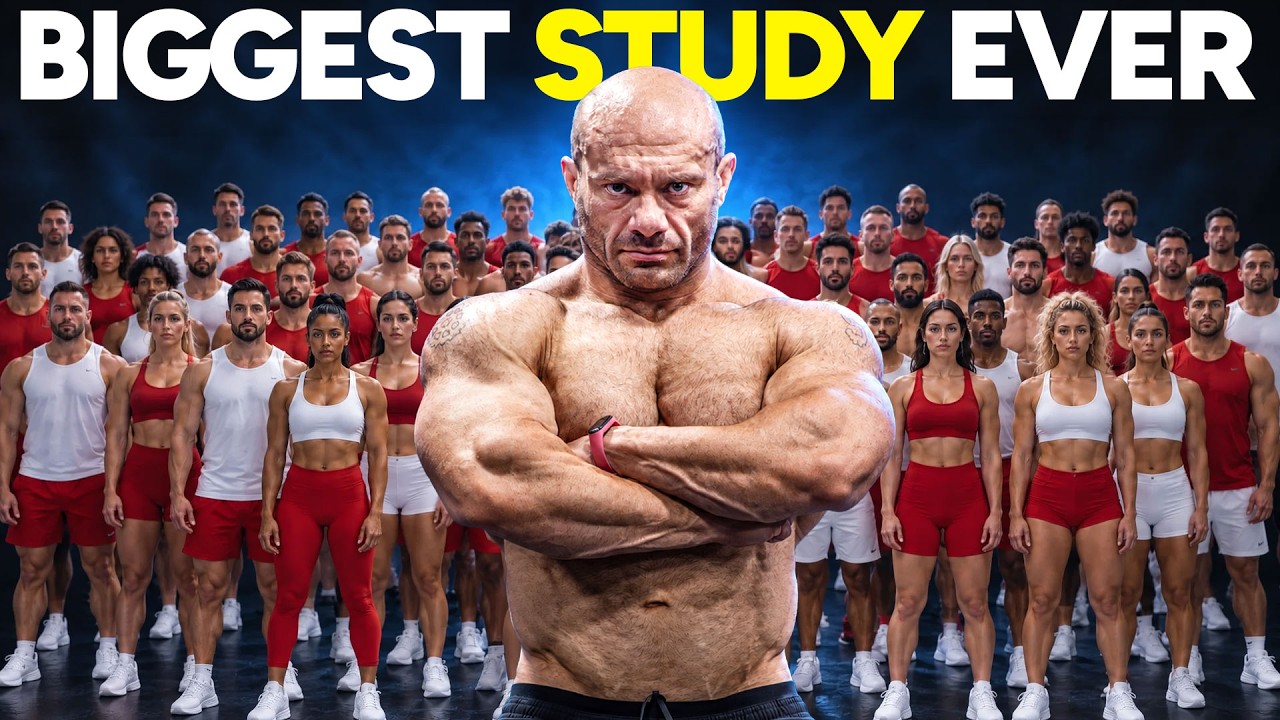
Boiled down, that mountain of data produced a short list of rules that can expose whether your program is smart or just trendy.
One finding about rep ranges will surprise plenty of lifters.
Another could change how many sets you do this week.
Ready to see what the evidence says?
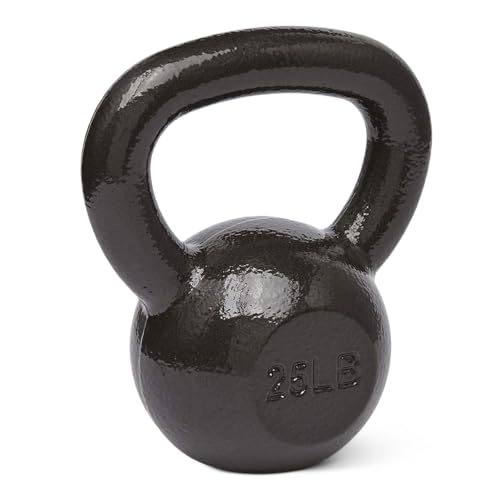
If you want something simple that actually works, this is one of the most effective tools I’ve used to build strength, conditioning, and endurance without needing a full gym setup.
- Full-body training with one weight using swings, squats, and presses
- Solid cast iron build that feels stable and lasts for years
- Comfortable grip that makes high-rep workouts easier to handle
Jump to:
The Core Message: Basics Beat Gimmicks
Israetel explains that this umbrella review did not examine individual experiments. It folded entire systematic reviews into one giant analysis, led by researchers Dr. Stu Phillips and Dr. Brad Schoenfeld plus their teams.
50 participants is already a big study. 30,000 lets us make very strong claims about how it’s best to train and not train.
His verdict? Nail fundamentals first. Everything else is seasoning.
If your trainer or your coach violates these basics often, you could be very skeptical and you should be asking questions.
Muscle Growth: Five Insights
1. Higher Weekly Volume Builds More Muscle
Doing more than 10 weekly sets per muscle beats doing fewer in almost every case, according to Israetel. Evidence even extends well into the 30-plus range.
The more you do, the more you grow if you can recover.
- 5 to 10 sets: a huge jump in growth
- 10 to 20 sets: more growth, though less dramatic
- 20 to 30 sets: subtle but real extra gains
- 30-plus sets: still positive, yet sharply diminishing
Recovery decides whether extra work pays off, so food, stress management and sleep matter. Want bigger pecs? Trim triceps and back work slightly, freeing systemic energy to push chest toward 20 to 30 sets.
2. Train Close to Failure, Not Always At It
Training close to failure produces better gains than training very far away.
Stopping five or more reps short leaves notable gains on the table. Yet going all the way to failure beat finishing one or two reps shy by no meaningful margin.
Israetel’s practical recipe: start around three reps from failure, add 2.5 to 5 pounds or one rep weekly, then deload once failure arrives.
If you want something simple that actually works, this is one of the most effective tools I’ve used to build strength, conditioning, and endurance without needing a full gym setup.
- Full-body training with one weight using swings, squats, and presses
- Solid cast iron build that feels stable and lasts for years
- Comfortable grip that makes high-rep workouts easier to handle
3. Anything From 5 to 30 Reps Works
So long as you go close to failure in each set, you can get really good gains, some of your best gains, anywhere from roughly five to 30 reps per set.
Doubles or 50-rep marathons are unlikely to maximize growth, though they still cause some. Between those extremes, differences are tiny.
Elbows cranky or sleep wrecked? Swapping sets of eight for lighter sets of 16 to 20 is perfectly fine.
4. Frequency Is Not Magic
Ten weekly sets split over two workouts or three produce similar gains. Why? Total sets match.
There’s no magic gains from higher frequency, but there is a big important nuance.
Splitting sessions keeps you fresher, so you lift heavier, grab more reps and fit in far more weekly sets. Pushing past roughly 15 sets for one muscle in a single session leaves late sets under-stimulating.
Two to four weekly sessions per muscle can be highly effective, with preference and schedule deciding the rest.
5. Small Variables Barely Register
- Rep speed: two to nine seconds per rep yields about equal growth
- Exercise order: barely detectable for hypertrophy
- Fancy periodization: no secret split delivers magic
If you’re overthinking, do I do flies versus presses for chest development, you’re probably just overthinking.
One caution: Israetel flags that most of this research involves relative beginners across weeks to months. Treat it with a “big grain of salt,” and remember that plans violating the basics still matter, for the worse.
If you want something simple that actually works, this is one of the most effective tools I’ve used to build strength, conditioning, and endurance without needing a full gym setup.
- Full-body training with one weight using swings, squats, and presses
- Solid cast iron build that feels stable and lasts for years
- Comfortable grip that makes high-rep workouts easier to handle
Strength: Four Insights
1. Twice Weekly Beats Once Weekly
Your nervous system improves through practice, much like singing. Two sessions give more reps of practice than one.
Recover from only one heavy day? Add a lighter, low-volume session far from failure. Chasing a maximal bench? Three or four sessions weekly, such as two heavy days and one light technique day, boost gains even more.
2. Lift Heavy Early in Sessions
Fatigue limits how heavy you lift, so early exercises produce the best strength gains.
Don’t put deadlifts last in your day after five other back or leg exercises if you want to boost deadlifts the most.
Israetel cites strength coach Dave Tate on how many movements deserve maximal effort:
You really only have about two core exercises that you can do per session in which you can truly go hard and heavy.
Later slots? Reserve them for hypertrophy, assistance, technique or mobility.
3. Live in the 80 to 90 Percent Zone
Training above 80 percent of one-rep max beats lighter work for strength. Hard sets of three to six reps have “no good replacement,” Israetel says.
If you want something simple that actually works, this is one of the most effective tools I’ve used to build strength, conditioning, and endurance without needing a full gym setup.
- Full-body training with one weight using swings, squats, and presses
- Solid cast iron build that feels stable and lasts for years
- Comfortable grip that makes high-rep workouts easier to handle
Beyond 90 percent, volume plummets while fatigue and injury risk climb. Visit rarely.
4. Two Heavy Sets Can Move the Needle
Even two heavy sets per session boost strength meaningfully for many people. Remaining sets can be higher-rep work.
Best bet for most lifters: two to five heavy sets per movement. Fewer leaves progress behind, while more mostly piles on fatigue.
Power: Three Insights
1. Maximum Intent Is Everything
Power is force times velocity.
Heavy lifting covers force. Lighter work only builds power when you accelerate every concentric as hard as possible.
Israetel says athletes who treat weights as a distraction and mail in reps see few power gains. Start slow at the bottom of a bench press if needed, then whoosh.
2. Keep Volume Low to Moderate
Aim for two to five sets of two to five reps. Fatigue erodes power before strength or size.
If you want something simple that actually works, this is one of the most effective tools I’ve used to build strength, conditioning, and endurance without needing a full gym setup.
- Full-body training with one weight using swings, squats, and presses
- Solid cast iron build that feels stable and lasts for years
- Comfortable grip that makes high-rep workouts easier to handle
Every set of power training you do has to feel to you like you’re moving fast fast fast.
Slowing down by set six? Stop. Power training pairs well with low-volume strength work, yet clashes with high-volume hypertrophy blocks.
3. Use Light-to-Moderate Loads
Loads of 30 to 70 percent of one-rep max work best, and Israetel favors the lower end. His sweet spot: two to four sets of two to four reps at 30 to 50 percent.
Pair that with strength sessions at 80 to 90 percent. Big picture: build size first, then strength, then teach muscles to move fast in a low-fatigue environment.
Your Quick-Start Checklist
- Muscle: aim for 10 or more weekly sets, close to failure, in 5 to 30 reps
- Strength: lift heavy twice weekly or more, using 80 to 90 percent loads early
- Power: keep sets few, fast and fresh
- Everything else: choose exercises and splits you enjoy and can sustain