Ten moves, every single morning.
A fitness creator recently laid out that exact daily ritual in a short-form video.
Hips show up four separate times on the list.
Why such heavy focus on one joint, and what order makes the sequence flow?
Here is the full lineup, plus a blueprint for building your own version.
Jump to:
The Full 10-Move Morning Mobility Lineup
The creator opened the video with a bold promise.
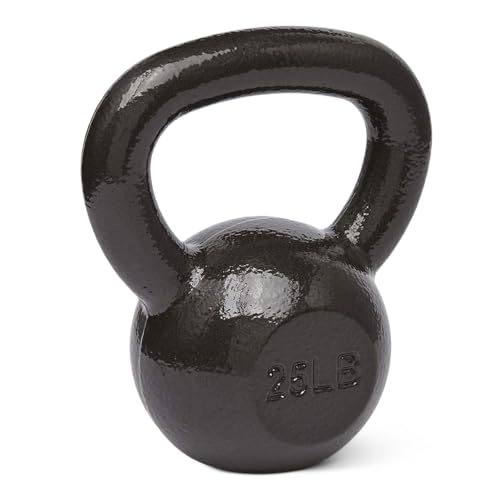
If you want something simple that actually works, this is one of the most effective tools I’ve used to build strength, conditioning, and endurance without needing a full gym setup.
- Full-body training with one weight using swings, squats, and presses
- Solid cast iron build that feels stable and lasts for years
- Comfortable grip that makes high-rep workouts easier to handle
10 moves I do every morning for mobility.
Each move targets a different region, moving from the pelvis up through the spine, then down to the ankles and into a deep squat.
Only categories were named, so the examples below are popular, beginner-friendly ways to fill each slot.
- Hips: slow, controlled hip circles to wake up the joint.
- Spine rotation: open-book twists lying on your side.
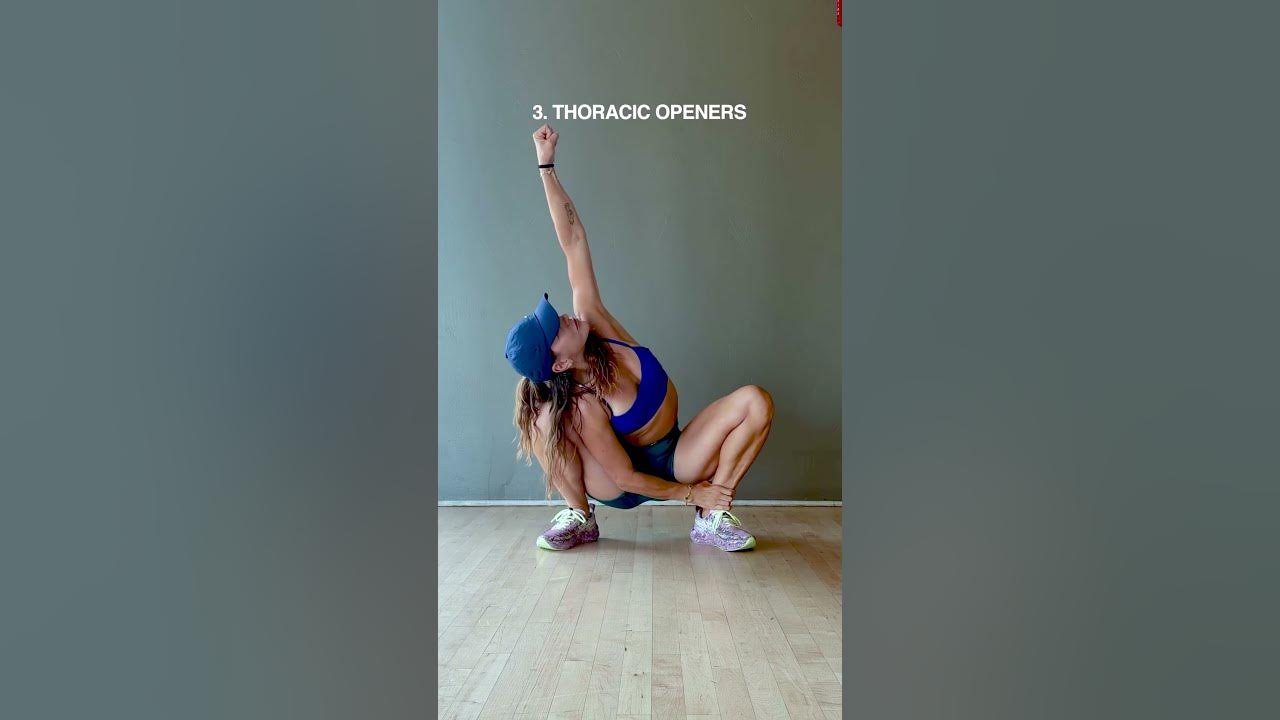
- Thoracic openers: thread-the-needle or foam roller extensions for the upper back.
- Hip openers: 90/90 transitions or a lizard lunge.
- Ankles and knees: knee-to-wall rocks and gentle knee circles.
- More hips: a deep lunge with a reach overhead.
- Adductors and hips: rocking frog stance or side lunges.
- Spine length and pelvic alignment: cat-cow and pelvic tilts.
- Flexion release: a relaxed forward fold, letting gravity do the work.
- Squat flexion: a deep bodyweight squat hold.
Why Hips Get So Much Airtime
Hips sit at the crossroads of the body, linking the trunk to the legs.
Long hours in a chair leave many people feeling tight around that region, so attacking hips from multiple angles makes practical sense.
Notice the variety too. Hip circles, deep lunges, and adductor rocks each load the joint in a different direction.
The Flow Behind the Order
Start Small, Finish Deep
Early moves are gentle and circular. Later ones ask for bigger ranges, ending in a full squat.
If you want something simple that actually works, this is one of the most effective tools I’ve used to build strength, conditioning, and endurance without needing a full gym setup.
- Full-body training with one weight using swings, squats, and presses
- Solid cast iron build that feels stable and lasts for years
- Comfortable grip that makes high-rep workouts easier to handle
That progression lets tissues warm gradually instead of being cranked into end range cold.
Alternate Between Regions
Hips lead, then the spine, then hips again, followed by ankles. Hopping between areas keeps each stretch fresh and avoids overworking one spot.
Spinal work is bookended by length and alignment before flexion release, a neat way to decompress before squatting.
How to Build Your Own Morning Sequence
Ten moves sounds like a lot. Spread across roughly ten minutes, it becomes manageable.
- Time each move: aim for 30 to 60 seconds per position.
- Breathe slowly: long exhales help muscles relax into a stretch.
- Stay below pain: mild tension is fine, while sharp or pinching sensations are a signal to back off.
- Anchor the habit: link the routine to coffee, a shower, or brushing teeth.
- Shrink when rushed: three moves beat zero moves.
Beginner Modifications
Stiff joints call for support. Hold a doorframe during squats, place a cushion under the hips in seated positions, or shorten lunge depth.
Consistency matters more than intensity. Smaller ranges done daily generally beat heroic stretching sessions done once a week.
If you want something simple that actually works, this is one of the most effective tools I’ve used to build strength, conditioning, and endurance without needing a full gym setup.
- Full-body training with one weight using swings, squats, and presses
- Solid cast iron build that feels stable and lasts for years
- Comfortable grip that makes high-rep workouts easier to handle
When to Get Professional Input
Anyone with a recent injury, numbness, or persistent joint pain should check with a physical therapist or doctor first.
Grab the Companion Kit
The video closes with a call to action for viewers wanting guided demonstrations.
Comment KIT for the Mobility Kit.
Topics tagged alongside the clip include daily mobility drills, stiff joints, and mobility for beginners, which signals an audience just getting started.
The Takeaway
Pick ten moves, cover every region, and repeat daily. Tweak order, duration, and difficulty until the routine feels like a gift to your morning self rather than a chore.