Getting lean doesn’t require complex strategies or extreme measures.
That’s the message from professional bodybuilder and fitness influencer Chris Bumstead, who spent 15 years competing at the highest levels of bodybuilding and dieting down to an astonishing 4% body fat multiple times.
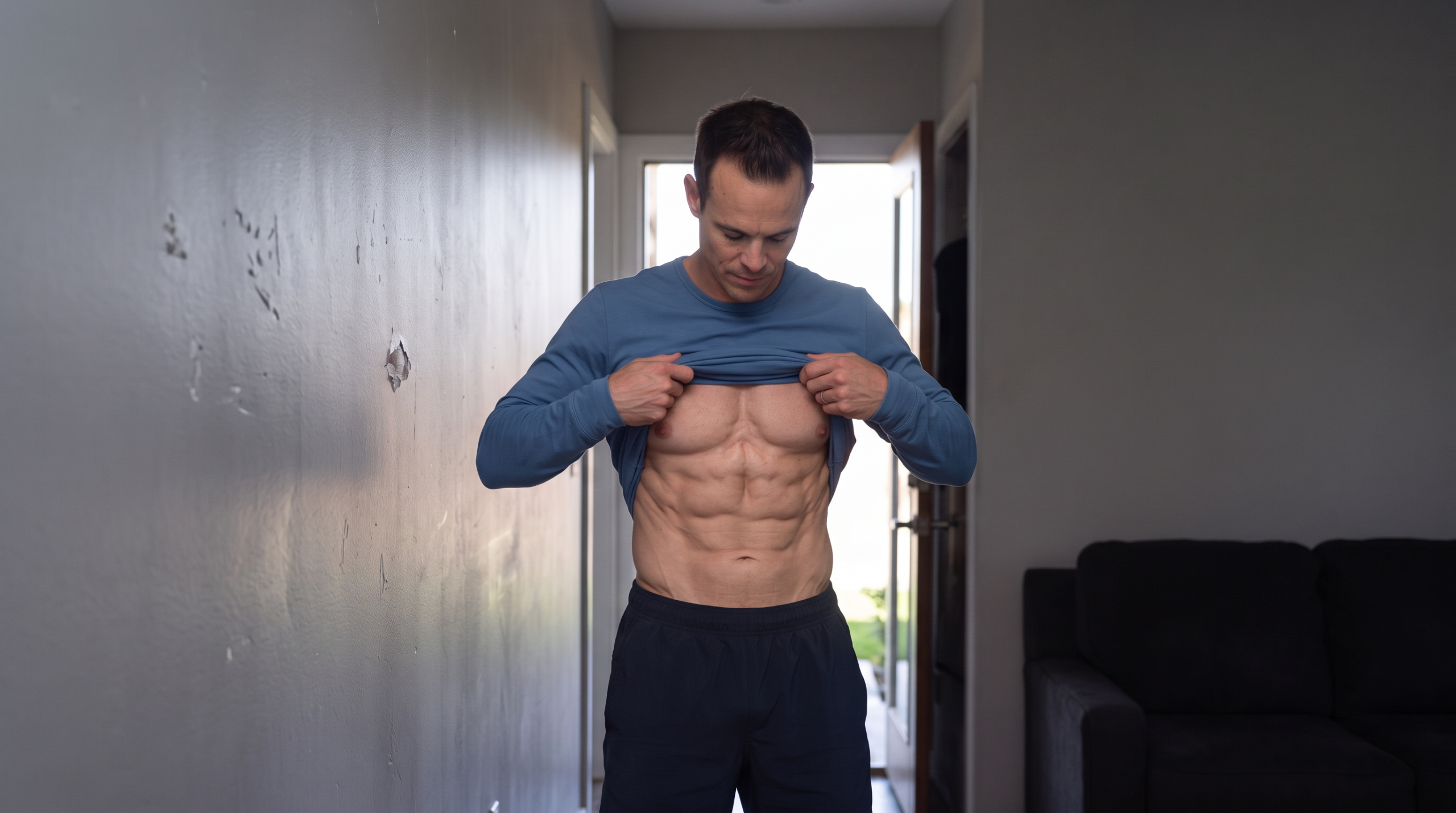
In a recent YouTube video, Bumstead broke down his approach to fat loss—and it’s refreshingly straightforward.
The strategies he shares aren’t just for elite athletes; they’re practical principles anyone can use to transform their physique without obsessing over every detail.
Jump to:
- Track Everything You Eat
- Weigh Yourself Daily (At First)
- Find Your True Baseline
- Master the Big Three: Calories, Protein, Whole Foods
- Strategic Foods That Make Dieting Easier
- Embrace Hunger as Feedback
- Cardio: A Tool, Not a Requirement
- Train Heavy, Stay Strong
- Use Performance as Your Guide
- Minimize Decisions by Creating Systems
- Navigate Social Events Without Derailing Progress
- Rethink Cheat Meals
- When Plateaus Hit, Take a Diet Break
- Know When to Stop
- Address the Psychological Root
- The Simple Truth About Getting Lean
Track Everything You Eat
Bumstead emphasizes that measurement is the foundation of progress.
What isn’t measured isn’t managed. If the average person who’s not into fitness just gets a food journal and writes down every single thing that they eat, they’re more likely to lose weight.
Tracking creates awareness. Most people significantly underestimate their calorie intake, making it nearly impossible to create the deficit needed for fat loss.
Writing down meals—or using an app—reveals patterns and hidden calories that sabotage results.
Weigh Yourself Daily (At First)
Daily weigh-ins might sound obsessive, but Bumstead argues they’re essential early in a fat loss journey.
If you’re weighing yourself every day at the same time every day, you can get a weekly average and see how you’re trending, whether up or down is consistent.
Daily measurements smooth out fluctuations caused by water retention, sodium intake, and hormonal changes. A weekly average provides accurate feedback about whether your approach is working.
Once you reach your goal or establish healthy habits, backing off from daily tracking makes sense to avoid stress and obsession.
Find Your True Baseline
Forget generic calorie calculators and cookie-cutter meal plans.
Bumstead stresses that individual metabolic differences make one-size-fits-all approaches useless.
Everybody’s body is so different. Our metabolism changes throughout the year, throughout the month. You really need to know what you’ve been eating, what your body currently needs to maintain the weight that it’s at, and then you drop a couple hundred calories from there.
Track your current intake for one to two weeks without changing anything. That establishes your maintenance calories—the amount needed to stay at your current weight.
From there, reduce by 200-300 calories and monitor your body’s response. Adjust based on results rather than arbitrary numbers.
Master the Big Three: Calories, Protein, Whole Foods
Nutrition doesn’t need to be complicated.
Bumstead’s hierarchy keeps things simple and effective.
What you really need to focus on is calories, and then protein because you should care about being strong and having muscle, and then having whole foods. The less processed foods you have, the more whole foods you’re having, the more micronutrients you’re getting out of it.
- Calories: Control total energy intake to create a deficit
- Protein: Preserve muscle mass and boost satiety during fat loss
- Whole foods: Naturally deliver vitamins, minerals, and fiber without obsessive micromanaging
This approach eliminates stress over hitting exact micronutrient targets while ensuring adequate nutrition.
Strategic Foods That Make Dieting Easier
Certain foods deliver maximum volume and satisfaction with minimal calories.
Bumstead relied on these staples during his competition prep.
Protein shakes make dieting easier because they can fill you up. They’re very low calorie. I used to put shredded lettuce in almost every meal that I would eat. Shred lettuce to get shredded.
His go-to options include:
- Protein smoothies: Efficient, filling, easy to load with nutrients like creatine, fiber, and micronutrients
- Shredded lettuce: Nearly zero calories but adds crunch and volume to meals
- Salsa or pico de gallo: Low-calorie flavor booster that transforms bland meals into something satisfying
These simple swaps make restriction feel less restrictive.
Embrace Hunger as Feedback
Most people try to avoid discomfort at all costs.
Bumstead suggests reframing hunger as a positive signal.
Things that are worth it in life often are hard. Instead of avoiding what’s hard, lean into the hard times. When you feel hunger, switch your mindset. Don’t be like, ‘Oh, this sucks. I’m hungry.’ Be like, ‘I’m hungry. I must be getting lean.’
This mental shift transforms hunger from an enemy into confirmation that your body is burning fat.
Accepting temporary discomfort as part of the process reduces psychological stress and builds resilience.
Cardio: A Tool, Not a Requirement
Cardio isn’t mandatory for fat loss, but it can make the process more sustainable.
Bumstead views cardio as a way to eat more while still losing fat.
If you’re expending a little bit more calories by doing cardio so that you can eat more, that helps just your body become more of a machine constantly pumping through the food that you’re putting in it.
During Olympia prep, his cardio consisted entirely of low-intensity treadmill walking at 3.7 mph, starting at 20 minutes daily and gradually increasing to over an hour.
For beginners, he recommends 10-15 minute walks after each meal. This gentle approach aids digestion, reduces stress, and burns calories without triggering excessive hunger or fatigue.
Train Heavy, Stay Strong
One of the biggest myths in fat loss is that high-rep, light-weight training burns more fat.
Bumstead calls this completely wrong.
Don’t just think getting lean means you have to increase volume. That’s a complete myth. The goal is to keep training as you would, as hard as you could. Stay as strong as you can for as long as possible. By doing so, you’ll hold on to as much muscle mass as possible while reducing your calories.
Maintaining intensity signals your body that muscle is still needed. Switching to lighter weights and higher volume can actually accelerate muscle loss during a calorie deficit.
Some strength decline is inevitable when cutting, but rapid drops indicate you’re cutting calories too aggressively.
Use Performance as Your Guide
Strength in the gym provides real-time feedback about your diet’s sustainability.
If your lifts plummet quickly—going from six reps to four in just one session—your body needs more fuel. You’re likely losing muscle along with fat.
Gradual strength decline is normal. Sudden drops mean you need to slow down.
Minimize Decisions by Creating Systems
Decision fatigue sabotages consistency.
A big rule to help decision-making is to make less decisions. When I was in Olympia prep, everything was made so easy because I ate the same things at the same time. I was on the same workout routine every single week. Everything was so systematized, I didn’t have to think.
Automation removes temptation. Eating similar meals, following consistent workout schedules, and establishing routines eliminate opportunities to veer off track.
Structure creates freedom from constant choice.
Travel and dining out don’t have to destroy a diet.
Bumstead’s restaurant strategy is brilliantly simple.
When you’re going out for dinner, get the steak. Get the steak and vegetables. Almost every restaurant will have a steak. Say cook it in no butter. Everything on the menu is usually covered in sauces and spices and fats and oils and butters. A steak is just grilled.
Another powerful tactic: drink a protein shake before going to dinner. This curbs appetite dramatically, reducing cravings and preventing overeating.
For travel days, skip carbs at breakfast, eat a small lunch, then enjoy a sensible dinner focused on protein and vegetables.
Rethink Cheat Meals
Weekly cheat meals might feel like rewards, but they often backfire.
Most people don’t realize that if they’re trying to diet and they’re having a bunch of cheat meals, it’s actually making them crave more throughout the week.
Rather than scheduled indulgences, Bumstead suggests aligning food choices with your actual goals and how you want to feel.
If looking and feeling good is the priority, frequent deviations undermine both.
When Plateaus Hit, Take a Diet Break
Even with perfect execution, fat loss eventually stalls.
Your body adapts to lower calories by downregulating metabolism and becoming more efficient at preserving stored energy.
Your body has probably been dieting for so long that it wants to hold on to as much as it can. This is when you can take a full week of having refeeds or eat whatever you want and truly allow your body to rest and relax and realize it has an abundance of food so it can go back into that high metabolism fat burning mode.
A full week at maintenance or slightly above helps restore metabolic function, reduce stress hormones, and prime your body for another round of fat loss.
Paradoxically, eating more can jumpstart progress again.
Know When to Stop
There’s a point where continued dieting becomes counterproductive.
Bumstead identifies clear signals that it’s time to end a cut.
The cut should end when you’re at a point in which it starts to sacrifice progress and performance in the gym. When your sleep starts to suck because your body’s in a state of stress, you’re dieting for a lifestyle to look good and to feel good. When it starts to sacrifice the feel good, you’re probably getting beyond the point of too lean.
Additional warning signs include:
- Poor sleep quality despite adequate time in bed
- Constant fatigue that affects work and daily activities
- Inability to focus or mental fog
- Elevated stress and irritability
- Rapid strength loss in the gym
The purpose of getting lean is to enhance life, not diminish it. When fat loss begins stealing quality of life, it’s time to transition to maintenance.
Address the Psychological Root
Perhaps Bumstead’s most profound insight addresses why people struggle despite knowing what to do.
I think a lot of people are using food to feel good. They use it as a sense of enjoyment and pleasure because they’re lacking a sense of fulfillment or self-esteem or self-love. Most people struggling to hit their goals, sometimes the number one thing you need is some meditation, breath work, therapy, something to dive deeper into yourself.
No diet or training program can overcome emotional eating driven by deeper issues.
Addressing stress, building self-worth, and developing coping mechanisms beyond food often matter more than macros or meal timing.
The path to sustainable leanness isn’t just physical—it’s mental and emotional too.
The Simple Truth About Getting Lean
Bumstead’s message circles back to where it started: getting lean is annoyingly simple.
Track your food. Weigh yourself regularly. Eat slightly less than you burn. Prioritize protein and whole foods. Keep lifting heavy. Add walking or light cardio. Build systems that remove decisions. Address emotional triggers.
None of these strategies are revolutionary. That’s exactly the point.
Complexity is seductive because it feels like the secret you’ve been missing. But the basics work precisely because they’re sustainable, measurable, and adaptable.
The challenge isn’t finding a better method. It’s committing to the fundamentals long enough for them to work—and having the self-awareness to know when pushing harder stops serving you.