Walking might be one of the simplest ways to add years to life, yet most people ignore the very foundation that makes every step possible.
Mark Sisson, widely regarded as the forefather of the primal and paleo lifestyle movement, recently shared insights that challenge the modern obsession with biohacking gadgets and extreme protocols.
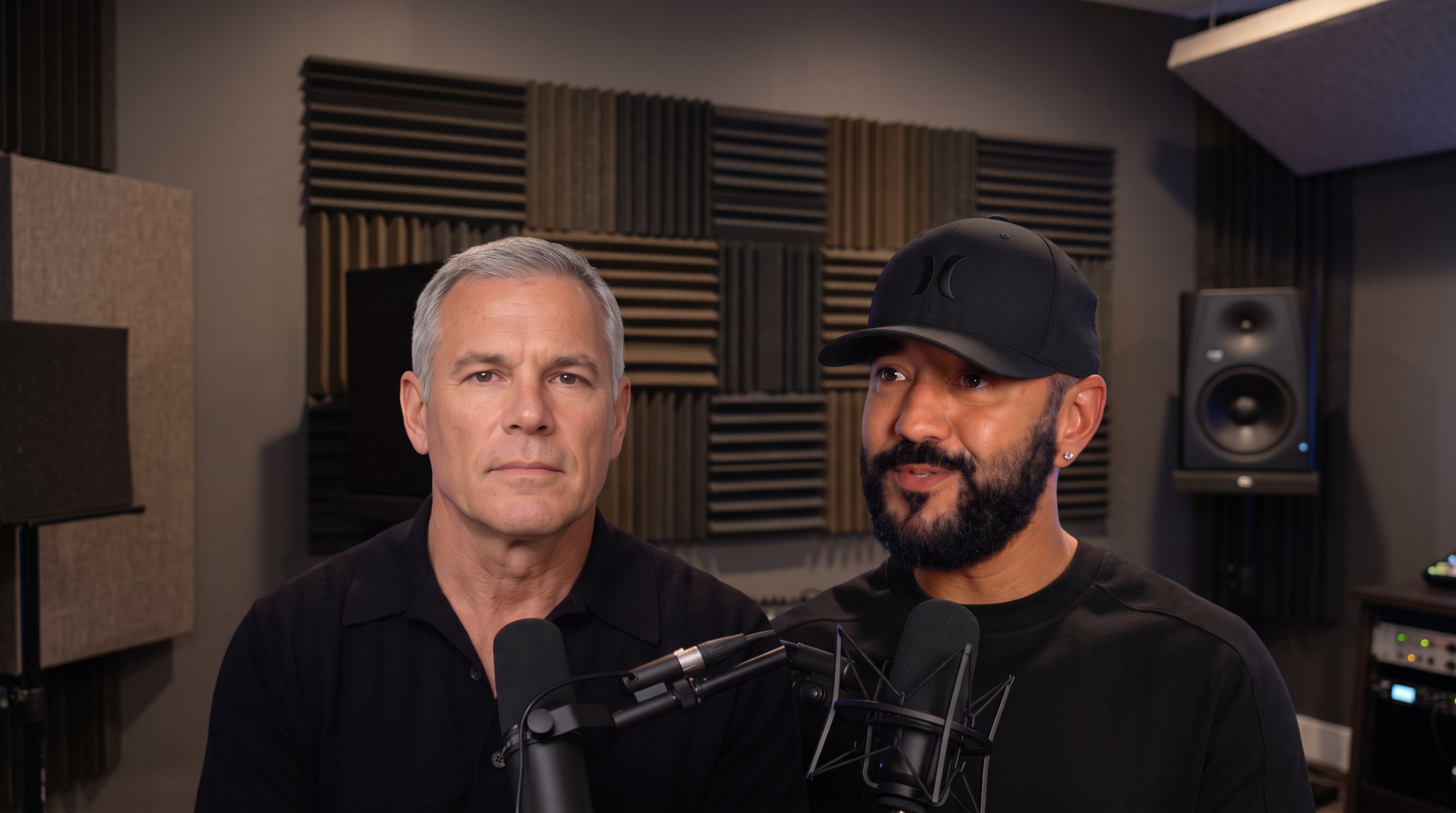
His message is clear: the secret to longevity isn’t found in expensive devices or handfuls of supplements—it’s built from the ground up, quite literally.
And it all starts with something most people completely overlook.
Jump to:
Foot Health: The Most Underrated Longevity Factor
Sisson doesn’t mince words when it comes to the importance of foot health in the longevity equation.
When I say foot health is probably one of the greatest indicators of longevity, I mean it. Top tier, the best of the best are now training their athletes, having them train their feet.
The connection between foot health and longevity isn’t just theoretical—it’s rooted in stark reality. For people over 65, falling represents the greatest risk for death. The cascade is tragically predictable: a fall leads to a broken hip, hospitalization follows, and pneumonia becomes the final chapter.
Strong, resilient, mobile feet serve as the first line of defense against this deadly sequence.
The Big Toe: Your Body’s Most Important Joint
According to Sisson and strength coach Courtney Connley, big toe strength may be the most critical component of foot health.
The big toe is the last point of contact with the ground during movement, essential for firing the glutes properly and organizing the entire kinetic chain. When that toe gets scrunched in tight shoes, it disrupts everything up the chain—from the plantar fascia to the glutes, even affecting the lower back and neck.
Elite athletes are catching on. NBA players now incorporate barefoot training and specific big toe exercises into their routines, using resistance bands and isometric holds to build strength in this overlooked area.
Every Step Is a Rep
Walk. Every step is a rep in rebuilding a resilient strong foot.
Walking isn’t just cardiovascular exercise—it’s strength training for the feet. Each step engages intrinsic foot muscles that modern footwear has allowed to atrophy over decades.
The problem? Most people walk in shoes that eliminate sensory feedback from the ground. Thick cushioning and built-in arch support might feel comfortable, but they prevent the brain from receiving the information it needs to properly organize movement patterns.
Sisson advocates for minimalist footwear that allows toes to splay naturally and enables the foot to sense ground texture and tilt. When the brain receives this input, it can orchestrate the perfect kinetic chain—adjusting ankle roll, knee bend, and hip position automatically.
The Minimum Effective Dose of Fitness
As a former elite marathoner and Ironman triathlete, Sisson has experienced both extremes of the fitness spectrum. His current approach is refreshingly simple: think like a lifestyle decathlete, not a specialist.
I want to be a decathlete in life. I want to be able to hold a plank for three minutes. I want to be able to deadlift one and a half times my body weight 10 times. I want to be able to hang from a static bar for 90 seconds.
The Foundation: Low-Level Movement
The cornerstone of Sisson’s fitness philosophy is zone one and zone two activity—primarily walking, but also cycling or swimming.
The goal isn’t burning calories or hitting step counts. It’s moving the body in ways it expects to move, promoting blood flow and lymphatic circulation while teaching the body to burn fat efficiently.
How do you know if you’re in zone two without a heart rate monitor? Simple: can you carry on a conversation? If yes, you’re there. Sisson uses the 180-minus-your-age formula as a rough guideline—a 45-year-old should aim to keep their heart rate at or below 135 during aerobic work.
Lift Weights Twice Weekly
Contrary to popular belief, Sisson recommends lifting weights just twice per week for 30 to 45 minutes.
The key word? Intently, not necessarily intensely. The goal is to challenge the body enough to trigger adaptation, then allow adequate recovery time—typically two to three days.
More frequent training doesn’t necessarily yield better results. The body simply adapts to the constant stress by becoming more efficient, using less energy to complete the same work. True strength gains happen during recovery, not during the workout itself.
Sprint Once Weekly
Sprinting is probably the greatest thing a human can do if you’re capable because it’s got the greatest bang for the buck of any choice you could do in terms of fitness.
One sprint session per week—whether running, cycling, rowing, or using an elliptical—provides maximum metabolic benefit with minimum time investment.
The protocol is straightforward: 20 to 30 seconds of all-out effort, followed by one to two minutes of rest. Repeat four to six times.
This single weekly session builds anaerobic capacity, maintains fast-twitch muscle fibers, and triggers powerful metabolic adaptations that support longevity.
Fill the Rest With Play
The final piece isn’t structured exercise at all—it’s play.
Pickleball, golf, ultimate frisbee, hiking, chasing kids around the yard—these activities integrate the aerobic base, strength, and power developed through structured training into real-world capability.
This approach creates what Sisson calls “life skills adaptable to any pursuit,” rather than narrow specialization in one activity.
Metabolic Flexibility: The Dietary Holy Grail
Sisson’s nutritional philosophy centers on one concept: metabolic flexibility—the ability to efficiently burn stored body fat when food isn’t available.
You want to build the ability to burn your own stored body fat whenever there’s no food available. Not many people have that real skill.
Most people have become so dependent on carbohydrates that they need to eat every few hours to avoid feeling lightheaded, foggy, or lethargic. This constant feeding cycle prevents the body from accessing its most abundant fuel source—stored fat.
The Minimum Effective Dose of Food
Sisson’s approach to nutrition mirrors his fitness philosophy: what’s the minimum effective dose?
- Protein: 120 to 130 grams daily maximum—far less than many fitness enthusiasts consume
- Carbohydrates: No nutritional requirement; include them for satisfaction and enjoyment, not necessity
- Vegetables: Enough, not excessive amounts
- Fat: Whatever comes naturally with quality protein sources
The goal is eating just enough to feel satisfied while maintaining energy throughout the day without constant snacking.
Sisson describes himself as “ketoish”—not strictly ketogenic, but metabolically flexible enough to burn fat efficiently whether he eats carbohydrates or not. His brain can run on ketones when needed, his muscles can tap into fat stores during exercise, and he can go from morning until mid-afternoon without eating while maintaining full energy.
The Supplement Reality Check
Despite having founded a supplement company and created “the world’s highest potency full-spectrum multivitamin,” Sisson no longer takes it.
I haven’t seen any studies or anything even in my own experience that shows that mega-dosing on vitamins is affecting me on a positive scale except making my piss yellow and costing a lot of money.
His current supplement regimen is minimal: collagen, occasional vitamin D (due to poor conversion despite sun exposure), and vitamin C when he feels illness coming on. That’s it.
The reasoning is simple: whole foods provide nutrients in context, with hundreds of micronutrients, phytochemicals, and cofactors working synergistically. Mega-dosing individual vitamins can create deficiencies in others, disrupting the delicate balance the body requires.
The Biohacking Backlash
Sisson takes a provocative stance on modern biohacking culture, despite having helped pioneer the movement in the early 2000s.
I call biohacking the day trading of health. It’s trying to figure out how I can get a device that’s going to cut my workout in half, how can I get a device that’s going to improve my sleep without actually cooling my room down.
The comparison to day trading is apt: both seek shortcuts around foundational work, both focus on quick wins rather than sustainable building, and both often prove counterproductive.
Sisson’s criticism extends to wearable devices that generate anxiety rather than insight. An Oura ring that gives a poor sleep score after what felt like restful sleep creates stress that affects the entire day. An HRV reading suggesting it’s a “great day to train” ignores life context—the fight with a spouse, work stress, or other factors that should inform training decisions.
Bad data is worse than no data, especially when it overrides the body’s own signals.
Stress Management: The Missing Piece
Sisson identifies stress management as his personal weak point and a critical component of longevity that intertwines with all other factors.
Poor sleep, inadequate nutrition, and inappropriate exercise all add stress to the system rather than building resilience. Someone who fights with their spouse, faces work stress, runs five miles at high intensity, then forces themselves into a cold plunge has stacked multiple stressors without allowing recovery.
Stress management takes different forms for different people:
- Meditative walking (Sisson’s preferred method—his evening walks serve as creative and decompression time)
- Spiritual practices that provide perspective and connection
- Community engagement that offers support and belonging
- Pure meditation or breathwork practices
- Simply being quiet in an increasingly noisy world
Research published in JAMA over a decade ago found that upwards of 80% of physician visits relate to stress or have a primary stress component. Excessive stress literally tears apart human biology, making stress management non-negotiable for longevity.
The Longevity Paradox
Much of the modern longevity movement fixates on lifespan—adding years to the end of life through extreme protocols and cutting-edge interventions.
Sisson flips the focus to healthspan—maintaining capability, mobility, and quality of life throughout those years.
If Dave Asprey is going to live to 180, God bless you, man. But if you are unable to move around this world and do things and participate in life, you’re going to miss out on a lot of stuff.
What’s the point of reaching 100 if the last 20 years are spent immobile, dependent, and disconnected from meaningful activity?
The foundation Sisson advocates—strong feet enabling lifelong movement, minimum effective doses of exercise and nutrition, metabolic flexibility, and stress management—prioritizes living well throughout the entire lifespan, not just accumulating years.
The Foundation That Actually Works
Sisson’s longevity blueprint is deceptively simple, which is precisely its strength. It’s accessible, cost-efficient, and sustainable—no expensive devices, extreme protocols, or fistfuls of supplements required.
The macros of longevity:
- Walk daily in minimalist footwear that allows foot strength to develop
- Lift weights twice weekly with intention and adequate recovery
- Sprint once weekly for maximum metabolic benefit
- Play the rest of the time in activities that bring joy
- Eat for metabolic flexibility—moderate protein, appropriate carbohydrates, plenty of vegetables
- Manage stress through whatever practice works for you
- Prioritize sleep without obsessing over data
Perhaps most importantly: focus on the foundation, not the biohacks. No amount of methylene blue, red light therapy, or peptide protocols will compensate for weak feet, poor movement patterns, metabolic inflexibility, or chronic stress.
The real fountain of youth isn’t found in cutting-edge technology or ancient secrets. It’s built through consistent attention to the fundamentals that have always mattered—movement, nutrition, recovery, and connection.
And it all starts from the ground up, one intentional step at a time.