In a recent YouTube video, the physiotherapist and calisthenics coach behind Fitness FAQs made a bold claim: most lifters quit sets long before their muscles do.
The culprit? Discomfort, not capability.
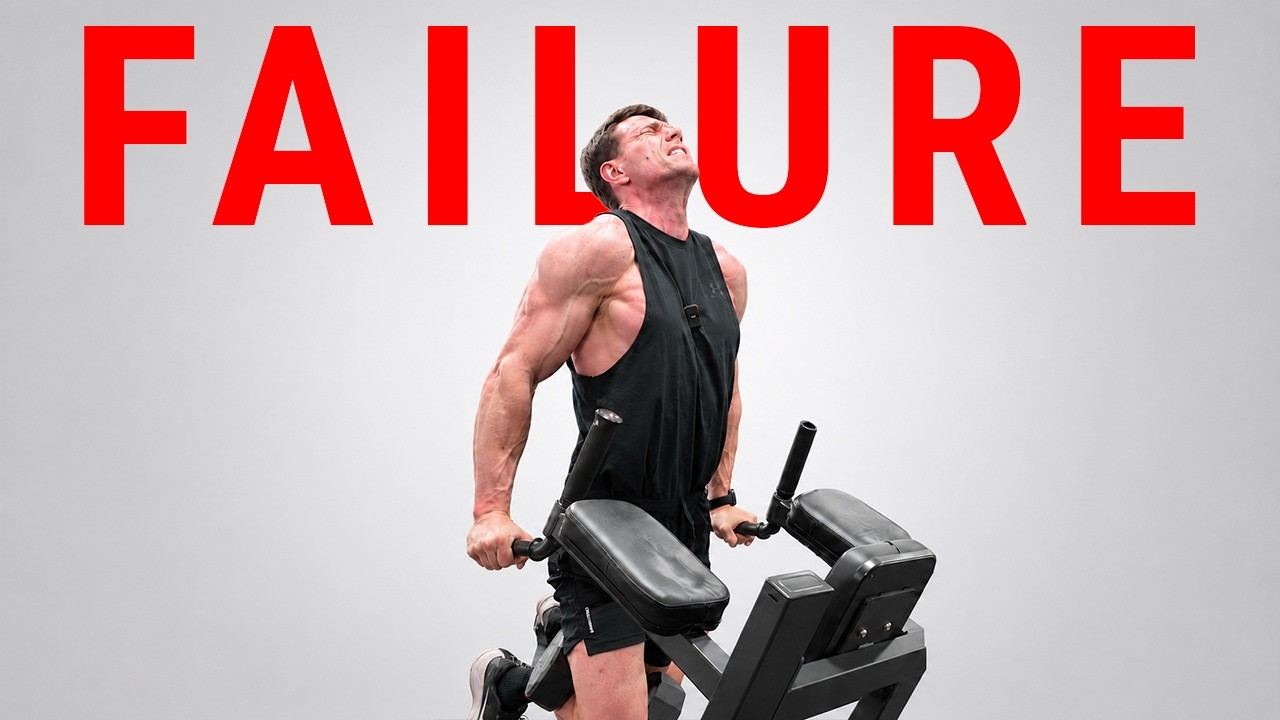
His fix involves one brutal, eye-opening experiment.
Better still, a single speed-based clue reveals whether your effort is truly honest.
Ready to discover how much is really left in your tank?
Jump to:
Why Calisthenics Athletes Stop Too Soon
The burn arrives. Your brain screams “enough.” You rack the set and call it a day.

If you want something simple that actually works, this is one of the most effective tools I’ve used to build strength, conditioning, and endurance without needing a full gym setup.
- Full-body training with one weight using swings, squats, and presses
- Solid cast iron build that feels stable and lasts for years
- Comfortable grip that makes high-rep workouts easier to handle
With calisthenics, many of us stop well before our actual potential, actual limit. And it’s because it’s getting uncomfortable. It starts to burn.
Result? Sets that look hard on paper but leave serious growth potential untouched.
We just decide to stop with way too many reps in reserve.
The Problem With “Train Close to Failure”
Anyone consuming online fitness content has heard the advice on repeat. Stop a few reps short of your limit, or reach it outright.
The usual consensus lands between zero and three reps of buffer. But what does that look like on a real set?
You may actually have so many more left in the tank in terms of how many reps that you can do because you haven’t actually pushed a failure in so long.
Translation: your internal “almost done” meter can drift. Without occasional recalibration, a comfortable set starts feeling like a max effort.
The Honest Intensity Gauge: Rep Speed
Forget the pump. Forget that fatigue sensation, too.
What you really need to look for to have an honest sign of intensity isn’t the pump, isn’t the fatigue sensation, it’s rep speed on those final handful of reps. You should be slowing down.
One crucial detail: the slowdown must be involuntary.
If you want something simple that actually works, this is one of the most effective tools I’ve used to build strength, conditioning, and endurance without needing a full gym setup.
- Full-body training with one weight using swings, squats, and presses
- Solid cast iron build that feels stable and lasts for years
- Comfortable grip that makes high-rep workouts easier to handle
- Not a choice: deliberately slowing tempo doesn’t count.
- A true grind: you push maximally while the bar, body or rings crawl.
- Final handful of reps: that’s where the signal appears.
I’m pushing as hard as I can and I’m starting to move at a snail’s pace. That is probably the best thing possible.
Two Flavors of Failure, Using Dips
Dips make the perfect test case. Each version of failure shows up clearly.
Technical Failure: Your Last Clean Rep
You squeeze out a final dip and finish the lockout. Attempt another, though, and full range of motion simply isn’t there.
Muscular Failure: Beyond Clean Reps
Here, lockout disappears, yet you keep cranking out partial reps. The coach calls this the ultimate sign of maxing out.
If you’re at that point where you literally can’t move, congratulations. You’ve actually fully exhausted your chest with dips, muscular failure, muscular fatigue to the absolute max.
Does Every Set Need to Hit Failure?
Nope. The coach is clear on that point.
Now, of course, you don’t need to train to failure. It’s not practical all the time.
Think of it as a periodic reality check rather than a weekly requirement. Especially handy when workouts feel like autopilot or results have stalled.
Going to failure on an exercise can be a reminder of what you are capable of on an exercise. And then that transcends the dip into everything else that you do.
How to Run Your Own Failure Test
- Pick a stable movement such as dips, where bailing out is simple and safe.
- Warm up thoroughly, then perform a normal working set.
- Watch your speed on the final reps. Involuntary slowing means you’re close.
- Keep going until a clean lockout is no longer possible.
- Log your total reps and compare against your usual stopping point.
Pro tip: stop immediately if form falls apart dramatically or sharp pain appears. Pushing hard should feel intense, never injurious.
If you want something simple that actually works, this is one of the most effective tools I’ve used to build strength, conditioning, and endurance without needing a full gym setup.
- Full-body training with one weight using swings, squats, and presses
- Solid cast iron build that feels stable and lasts for years
- Comfortable grip that makes high-rep workouts easier to handle
One Good Set Won’t Last Forever
A single all-out effort doesn’t buy lifelong intensity. Your internal gauge drifts again.
This is a constant battle where you got to keep showing up, keep giving that effort. Enjoy having the barometer of what you are capable of in your regular training.
Bottom line: occasionally testing your true limit recalibrates every set that follows.
Want Structured Calisthenics Programming?
Fitness FAQs is running a Black Friday sale: 50% off all calisthenics programs through November 30. The coach brings 17 years of experience and has helped thousands of people train smarter.
- Where: fitnessfaqs.com/programs
- Code: save50 at checkout
- Deadline: November 30