If you’re cutting calories, ramping up your cardio, and still not shedding fat—you’re not alone. The idea that “less in, more out” always works can leave you frustrated and stuck in a stall.
In a recent video, physique coach Paul Revelia of ProPhysique.com tackled one of the most common fat loss questions: “Can you eat too little to lose body fat?” Spoiler alert—yes, you can.
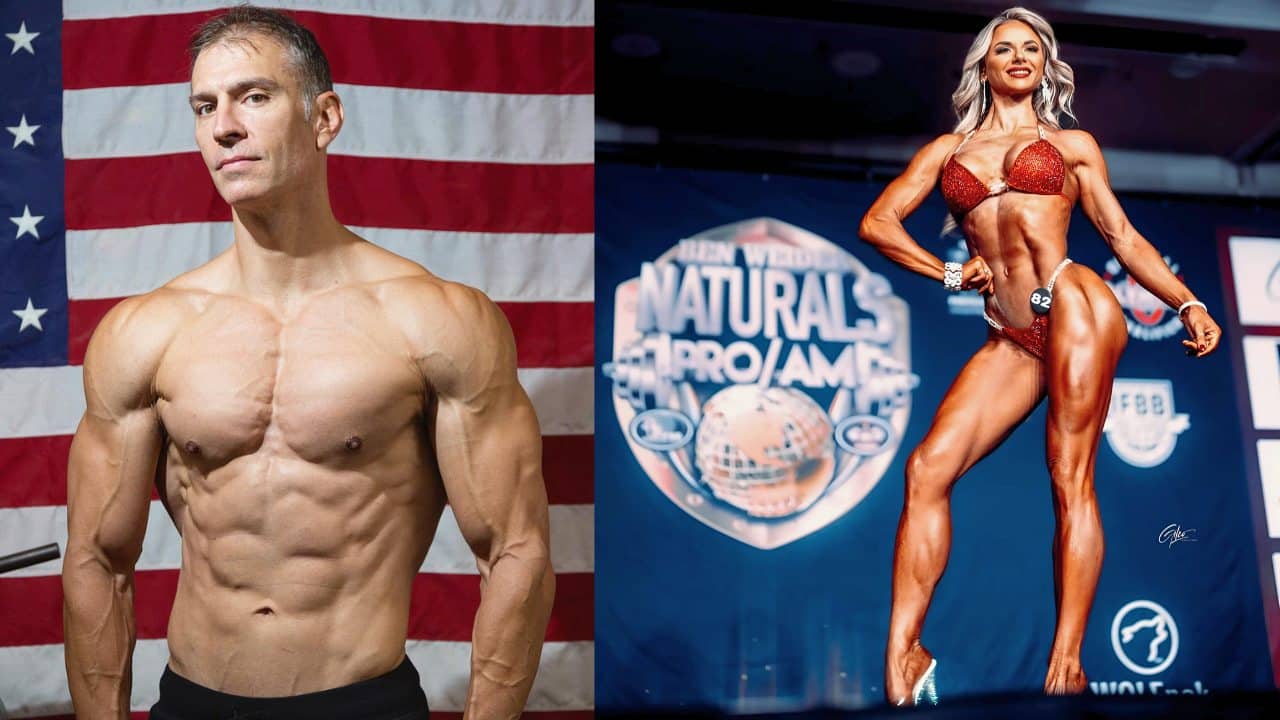
From hormonal shifts to adaptive metabolism, this article breaks down why eating too few calories—or more specifically, too few carbs—can backfire and how to dial things in for long-term fat loss that actually sticks.
Jump to:
When Less Is Not More in Fat Loss
It’s easy to assume that the secret to fat loss is just to eat less and move more. But if that were true, thousands of dedicated dieters wouldn’t plateau despite logging salads and steps like it’s their job.
In the video, Revelia addressed a client’s struggle: a woman weighing 145 lbs, eating 1,400–1,600 calories with 100 grams of carbs and 120 grams of protein daily, walking 15,000+ steps, and lifting four days a week. Despite her efforts, her fat loss stalled.
This isn’t an isolated case. It’s a classic example of dietary adaptation, particularly from too-low carbohydrate intake.
Why Low-Carb Diets Can Stall Fat Loss
You might hear that carbs are “bad” because they spike insulin, but Revelia flips that narrative: “Carbohydrates are brain fuel, they’re hormone fuel. Do not fear them.”
Here’s where science backs him up. Carbs aren’t just an energy source—they play a role in regulating key hormones like T3, the active thyroid hormone that influences metabolic rate. Prolonged low carb intake suppresses T3 conversion from T4, effectively slowing your metabolism.
- Low carbs = less T3 = slower metabolism
- Fewer carbs = less fat oxidation (because fat burns in a carbohydrate flame)
- Losing too fast or too aggressively = higher risk of muscle loss
If your carb intake dips below your body weight in grams (e.g., less than 145 grams for a 145-lb individual), your body may interpret this as starvation—initiating adaptive thermogenesis—a survival response that lowers energy expenditure.
How to Break a Plateau Without Crashing Your Metabolism
1. Add High-Carb Refeed Days
One of Revelia’s primary strategies is introducing controlled “high-carb” days when carbohydrate intake drops too low relative to body weight. For example, someone at 145 lbs and eating 100 grams of carbs may benefit from adding one day weekly at 150 grams of carbs.
If a single high day doesn’t yield progress, increase to two consecutive high-carb days. A popular split is:
- 5 days low-carb (e.g., 100g)
- 2 days high-carb (e.g., 150g)
This brief uptick fuels training, replenishes glycogen, and restores metabolic hormones, all without reversing your fat loss momentum.
2. Choose Carb-Centric Foods
The goal is to raise carbs without hiking protein or fat. Ideal refeed foods include:
- White or sweet potatoes
- Rice (all types)
- Fruits (bananas, berries, etc.)
- Vegetables high in starch (like corn and peas)
Stick to single-macro foods to stay targeted. Avoid relying on mixed macro foods (like trail mix or nut butters), which sneak in fats and proteins, compromising the refeed’s purpose.
The Matador Study: Diet Breaks That Work
Another strategy Revelia recommends comes from the MATADOR (Minimising Adaptive Thermogenesis And Deactivating Obesity Rebound) study. This groundbreaking research compared two groups:
- One dieted straight for 16 weeks
- The other did 2 weeks in a deficit alternated with 2 weeks at maintenance, over 30 weeks
The result? The second group lost more fat, preserved more muscle, and maintained their results better.
This supports what many physique coaches have known intuitively—your metabolism adapts quickly, and diet breaks refresh it.
How to Use Diet Breaks
Revelia typically has clients diet for 8–10 weeks, then take a 1-week break at maintenance calories. This helps normalize hormones and gives the body a rest from accumulated stress while preparing it for another productive fat-loss phase.
It’s especially helpful for lean individuals or competitors who face diminishing returns as they shed more fat.
Muscle, Maintenance, and the Long Game
Revelia emphasizes that maintenance isn’t just about maintaining weight—it’s about recalibrating your body to function optimally after fat loss.
“Once you get the fat off,” he says, “you can actually bring the carbohydrates back up, get your hormones in a great place, keep your metabolism in a great place, and maintain it.”
Unlike popular belief, maintaining fat loss doesn’t mean living in perpetual restriction. It takes awareness, not obsession. You won’t need the same grueling cardio or rigid calorie slashing—just consistency in food quality, activity, and realistic expectations.
Final Advice: Empower Yourself with Knowledge
Whether you’re deep into a fat loss journey or just starting out, the key lies in understanding how your metabolism works—not just pushing harder.
If your fat loss has stalled despite tracking, exercising, and staying consistent, look at your carbohydrate intake and consider strategic refeeds or diet breaks before cutting more calories. Adaptation is not failure—it’s biology.
“If you lose fat the right way,” Revelia sums up, “you can keep it off with very minimal effort.”