Before biohacking, gym franchises, and Instagram fitness influencers, there was Ghulam Mohammad Baksh—better known as The Great Gama.
Undefeated in a 52-year wrestling career, he trained with an intensity that still jaw-drops modern-day athletes.

Known for his mythic fitness regime, Gama reportedly performed up to 8,000 bodyweight reps daily, including 5,000 squats and 3,000 push-ups.
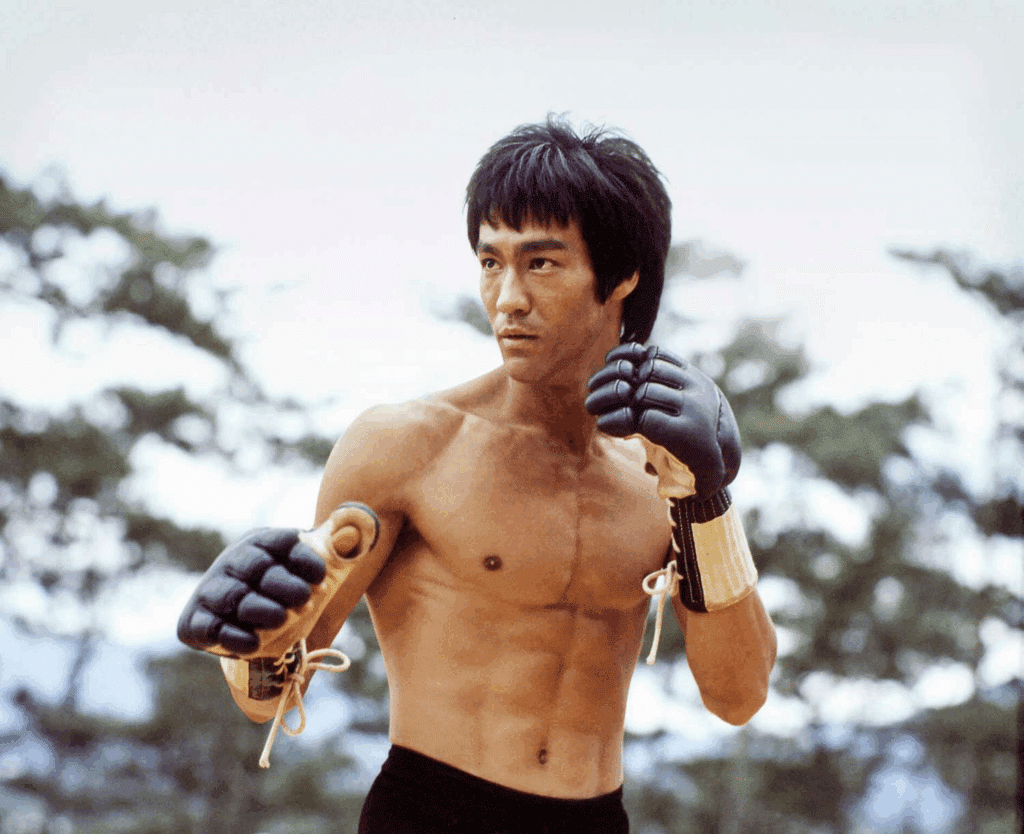
His daily routine was so iconic, it even inspired Bruce Lee to adopt key elements of the program in his own legendary training (See more below).
But is there real value behind the legend? And can you adapt this ultra-high-volume bodyweight workout to fuel your own strength, size, and stamina goals?
Here’s a deep dive into the workout, moves, and methodology that powered one of the strongest physiques in history—and how you can apply it without sacrificing your joints (or entire day).
Jump to:
- Who Was the Great Gama?
- The Legendary Strength Feats That Stunned the World
- The Mythical 8,000-Rep Bodyweight Workout
- Hindu Squats: The Lower Body Burner
- Hindu Push-Ups: The Underrated Full-Body Move
- Why This Workout Style Still Holds Up
- Is This Type of Volume Really Practical?
- Training Like Gama, Living Like a Hero
- The Final Rep
- The Bruce Lee Connection: From Ancient Akhada to Martial Arts Icon
Who Was the Great Gama?
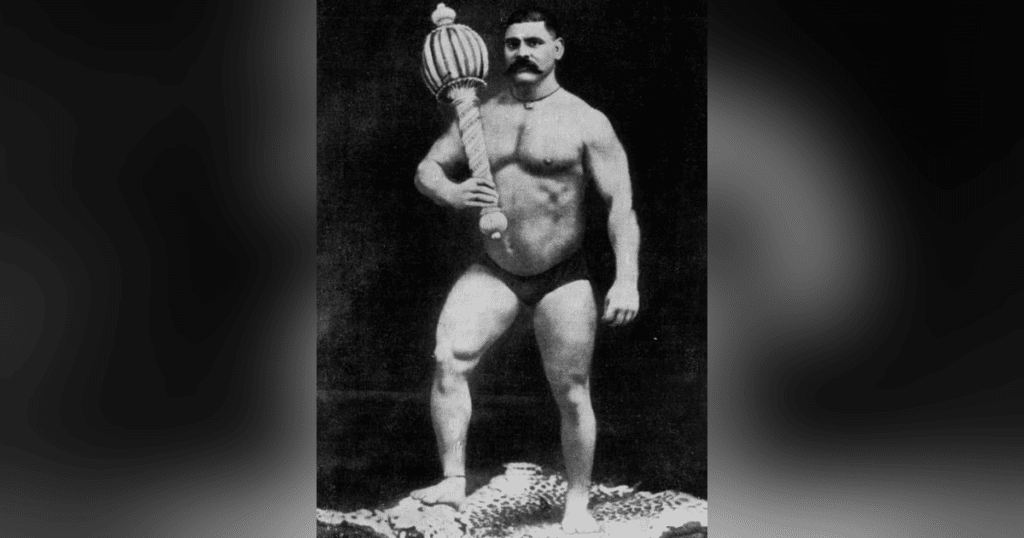
The Great Gama, born in 1878 in what is now Pakistan, became arguably the most dominant wrestler the world has ever seen. He retired undefeated after thousands of matches and was known for his freakish strength, unrelenting conditioning, and immense discipline.
Legends say he started his training by age 10 and was wrestling up to 40 opponents every single day in his prime. In addition to heavy wrestling loads, he would also lift 100-kg stone weights and swing massive wooden maces (known as gada), preserving ancient Indian strength training methods.
The Legendary Strength Feats That Stunned the World
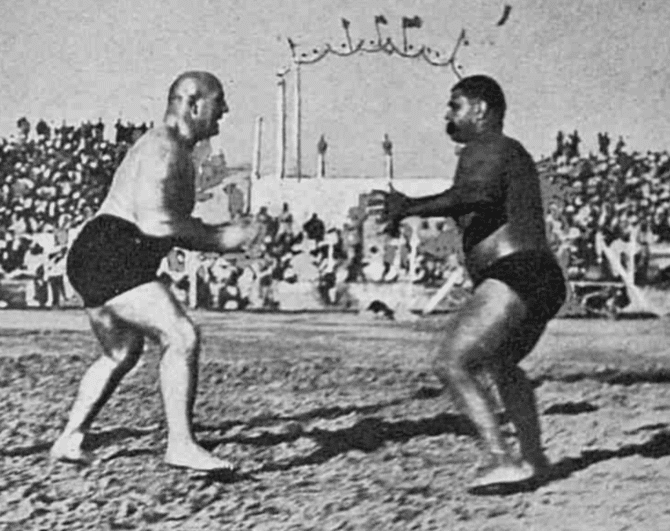
Gama’s strength wasn’t just mythical—it was recorded in stone.
One of the most iconic feats was in 1902, when at just 22 years old, he reportedly lifted a 1,200-kilogram stone to his chest and walked with it. That stone still resides in the Baroda Museum in India. This wasn’t just showmanship—it was functional strength built through relentless daily volume.
His physical stature—just 5’7″ but around 250 lbs at his peak—was a product of his training and legendary diet, which included:
- 10–15 liters of milk
- 6 chickens per day
- 0.5 kg of ghee
- 3 kg of butter
- A basket of seasonal fruits
- Several kilos of almonds and tonic preparations
This extreme nutrition matched his epic output of over 8,000 reps daily. But beneath the myth was structure: years of progressive overload and meticulous attention to recovery.
The Mythical 8,000-Rep Bodyweight Workout
According to historical records and oral traditions, Gama’s everyday training involved:
- 5,000 Hindu squats (also called bethaks)
- 3,000 Hindu push-ups (known as dands)
This wasn’t just raw volume for volume’s sake. Gama allegedly built up to this over years of progressive training, a principle still upheld in modern strength science.
How to Start – Without Overtraining
Clearly, most people shouldn’t—or realistically can’t—jump into thousands of reps per day. But taking inspiration from Gama’s progressive overload model is not only smart, it’s effective.
Try this 1-week starter progression:
- Day 1-2: 100 Hindu squats, 50 Hindu push-ups
- Day 3-4: 150 squats, 75 push-ups
- Day 5-6: 200 squats, 100 push-ups
- Day 7: Retest and taper/recover
Over time, you can scale reps in manageable increments. This approach builds strength endurance, mobility, and mental grit without overloading your joints or nervous system.
Hindu Squats: The Lower Body Burner
Why It Works
The Hindu squat is unlike the conventional squat. Each rep includes a dynamic arm swing and heel lift, promoting blood flow, joint mobility, and coordination.
How to Do It:
- Stand with feet shoulder-width, arms extended.
- Drop into a squat while swinging arms back; heels rise slightly.
- Drive up and swing arms forward.
This rhythm builds quads, glutes, hamstrings, and calves—without resistance. Many athletes use Hindu squats as a warm-up, conditioning drill, or volume finisher for high-rep circuits.
Scalable Progression
- Beginner: Bodyweight only, 3 sets of 20, 60 seconds rest.
- Intermediate: Add tempo (3-second descent), 5 sets of 20–30 reps.
- Advanced: Add pauses or go for time (e.g., 10-min AMRAP).
Hindu Push-Ups: The Underrated Full-Body Move
Why It Works
The Hindu push-up isn’t just a chest or triceps move. It’s a full-body mobility-driven exercise that targets the chest, shoulders, triceps, upper back, core, and even the hips and spine.
How to Perform a Hindu Push-Up:
- Start in downward dog — hips high, arms extended.
- Lower chest in an arcing motion toward the ground.
- Sweep into an upward-facing position, chest up, hips low.
- Reverse the motion to return to start.
Each repetition involves spinal articulation, shoulder mobility, and core control. It’s part yoga, part strength builder, and completely brutal at the right rep count.
Progression Tips
- Beginner: Use knee-supported position, aim for 3 sets of 5–10 reps.
- Intermediate: Full range-of-motion reps, 4–5 sets of 10–15.
- Advanced: Add flow pacing (no rest between reps), or perform tabata rounds.
Why This Workout Style Still Holds Up
Modern fitness often prioritizes gadgets, apps, and complicated programming. But the key principles in Gama’s training—consistency, progression, and volume—are exactly what science-backed hypertrophy and endurance training demand.
In fact, a 2021 study published in Journal of Strength and Conditioning Research showed that high-rep bodyweight training can rival low-rep resistance training in both hypertrophy and muscular endurance outcomes—if volume is scaled progressively.
Is This Type of Volume Really Practical?
For most people—not really. Gama was a professional athlete who trained full time, absorbed volume over decades, and had elite genetics for recovery.
However, you don’t need 8,000 reps to benefit from the structure. Here are a few ways to integrate the Gama blueprint into your own training:
- Time-based bodyweight circuits: Try 10–15 minute AMRAPs using Hindu squats, Hindu push-ups, and lunges.
- Structural warm-ups: Add 40–60 Hindu squats before strength sessions to open the hips and knees.
- Push-up finisher: Replace standard push-ups with dands to develop shoulder flexibility and scapular control.
Training Like Gama, Living Like a Hero
The Great Gama’s impact extended far beyond sport. During the Partition of India in 1947—a time of mass violence—Gama lived in Lahore, surrounded by Hindu families. As tensions escalated, mobs roamed the streets.
But Gama didn’t hide.
Instead, he and a group of fellow wrestlers protected entire neighborhoods, patrolling streets and escorting Hindu families to safety. Eyewitnesses recount how he even faced down an armed mob alone—slapping the leader unconscious and dispersing the rest with just his presence.
When safety wasn’t enough, Gama used his own savings to buy food, cover travel expenses, and ensure safe passage for dozens of families.
He wasn’t just a strongman. He was a symbol of humanity.
The Final Rep
The Great Gama’s legendary routine may be remembered for its eye-watering numbers, but the genius lies in its simplicity and structure. Two key moves, done consistently, with progression baked in.
Whether you’re chasing better mobility, muscle endurance, or a full-body conditioning punch, pieces of Gama’s method can elevate any training plan—no gym required.
The Bruce Lee Connection: From Ancient Akhada to Martial Arts Icon
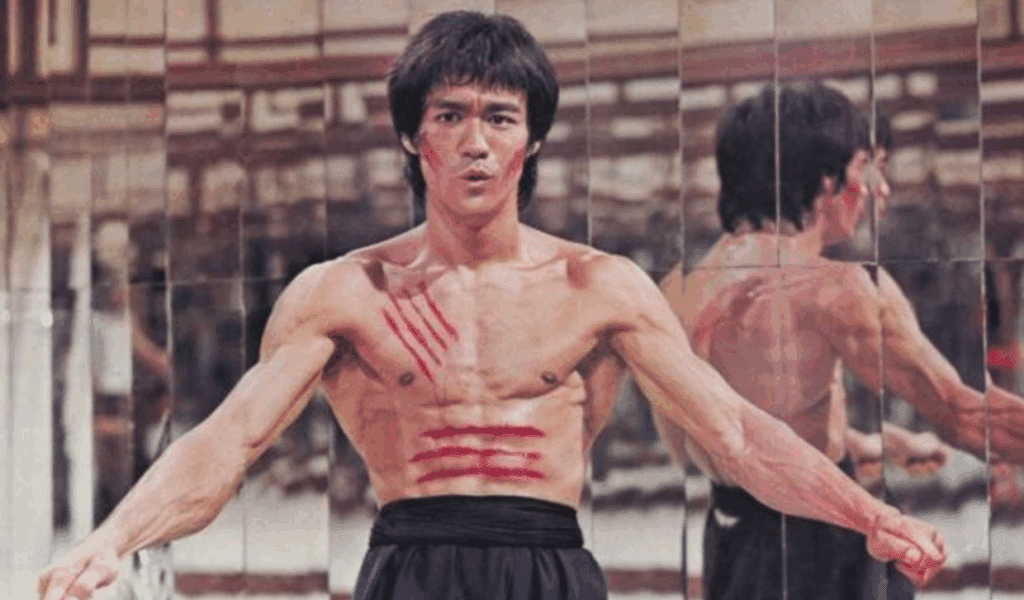
Gama’s legacy doesn’t just live on in museums—it pulses through modern martial arts, most notably through Bruce Lee.
Lee was captivated by Gama’s training after reading about him in a newspaper article. He clipped and saved it, incorporating Hindu squats (bethaks) and Hindu push-ups (dands) into his own routine. These became core components of his strength and conditioning for Jeet Kune Do.
In The Art of Expressing the Human Body, Lee’s training diaries detail how he used:
- Bethaks for leg strength, endurance, and flow.
- Dands to improve spinal mobility and shoulder integrity.
- Isometric holds inspired by Gama’s static strength routines.
“Even Bruce Lee is a known admirer and incorporates aspects of Gama’s conditioning into his own training routine,” said Google on Gama’s 144th birthday, commemorated with a Google Doodle.
Gama’s reach didn’t stop at India or wrestling. It helped shape the world’s most famous martial artist—and continues to influence fighters, strength coaches, and mobility experts today.