Getting lean and staying that way isn’t about another crash diet or extreme workout plan.
It’s about building sustainable habits that work for the long haul.
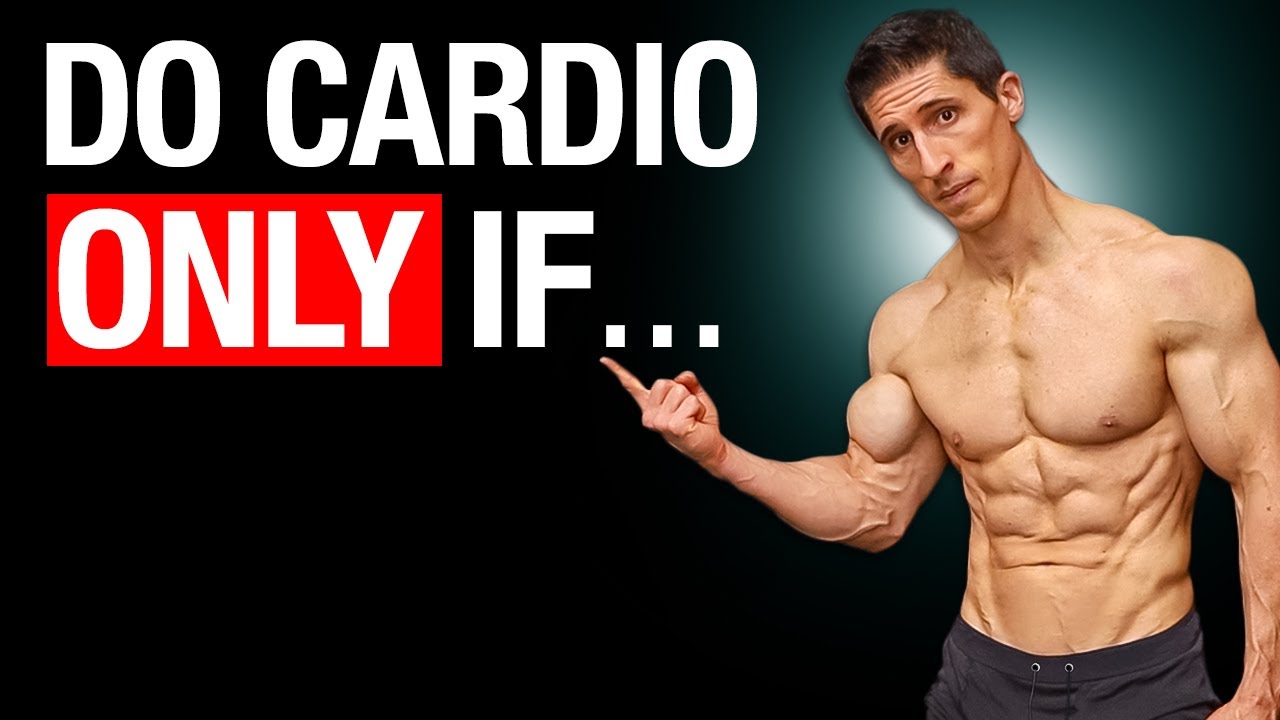
In a recent YouTube video, fitness expert Jeff Cavaliere shared his comprehensive 12-step blueprint for permanent weight loss—the same approach he’s used with pro athletes, actors preparing for roles, and countless individuals frustrated by yo-yo dieting.
At 50 years old, Cavaliere doesn’t just talk the talk—he’s maintained his lean physique for decades using these exact principles.
Jump to:
- Motivation Comes After Action, Not Before
- Nutrition Trumps Training Every Time
- Meal Structure Beats Meal Frequency
- Consistency Over Intensity
- Strength Training Is Non-Negotiable
- Cardio’s Controversial Role
- Train for Performance, Not Just Aesthetics
- Hydration: The Overlooked Foundation
- Sleep: The Recovery Multiplier
- Discipline Doesn’t Mean Perfection
Motivation Comes After Action, Not Before
Many people wait for motivation to strike before starting their weight loss journey. Cavaliere flips this concept entirely.
You have to realize that it doesn’t come necessarily before you start. It can come after you start.
Some viewers will watch, feel fired up, and immediately implement changes. Others will see what needs to be done but won’t find motivation until they start seeing results from actually doing the work.
The trap? Initial motivation can be a “wolf in sheep’s clothing”—intense at first, but quick to disappear when challenges arise.
Find Your Why
Rather than focusing on what you’ll do or won’t do, Cavaliere recommends starting with why you want to lose weight.
Ask yourself “why” repeatedly—usually five times—to uncover your true motivation. What starts as “I want a six-pack” might eventually reveal “I want to be healthy for my kids and set a better example.”
That deeper reason becomes your anchor when willpower weakens.
Nutrition Trumps Training Every Time
As a trainer, Cavaliere admits this might surprise some people—but there’s simply no out-training a bad diet.
The results that you will get will always be sloppy if you won’t fix the way you eat.
The traditional “eat less, move more” approach falls short because it doesn’t distinguish between losing fat and losing muscle. The goal should be maintaining muscle mass while shedding body fat exclusively.
The 80% Plate Solution
Cavaliere’s approach centers on prioritizing two food groups at every meal: protein and fibrous carbohydrates.
If 80% of your plate comes from these sources—40% protein and 40% fibrous carbs—you’ll fix 80% of your nutrition problems immediately.
His plate division technique uses a clock visual:
- 40% protein (chicken, fish, lean beef, protein powder)
- 40% fibrous carbohydrates (vegetables, leafy greens)
- 20% starchy carbohydrates (rice, potatoes, bread, pasta)
For protein targets, Cavaliere recommends 0.75 to 1 gram per pound of body weight, or up to 1.2 grams if training regularly.
He personally uses protein shakes morning and night to hit approximately 70 grams before even considering whole food meals—making the daily target far more achievable.
The Carbohydrate Consistency Caveat
Starchy carbohydrates represent what Cavaliere calls “the great consistency caveat”—they’ll either work for you or against you.
Complete deprivation rarely works long-term. Most people can’t sustain carb avoidance for years without eventually relapsing.
Conversely, overindulging in carbohydrates—even slightly—kills consistency because these foods are highly palatable and easy to overeat.
The solution? Allow them in controlled portions within that 20% plate allocation. This preserves sanity and long-term adherence without sabotaging results.
Meal Structure Beats Meal Frequency
How often should you eat? Cavaliere’s answer might surprise you: it varies, and it matters less than you think.
He eats anywhere from three to six meals daily depending on his schedule. When training athletes who need sustained performance, more frequent meals help stabilize blood sugar and prevent crashes.
But for fat loss specifically, what you eat matters far more than when or how often.
Meal frequency will never be more important than meal structure.
The caveat? Fewer meals mean longer gaps between eating, requiring more willpower to avoid snacking. More frequent meals reduce that willpower demand.
Timed Eating: Remove Subjectivity
One of Cavaliere’s biggest breakthrough strategies came before he had significant willpower: eating by the clock.
Treat meals like appointments—scheduled, non-negotiable times throughout the day. Whether three, four, five, or six meals, stick to predetermined times.
This removes subjectivity from eating decisions. You don’t eat because you “feel like it” or because you’re hungry at random times.
When 10:00 AM arrives, you have your mid-morning snack. When 1:30 PM comes, lunch happens. This rigid timing creates consistency when willpower is still developing.
Consistency Over Intensity
Many people approach weight loss with unsustainable intensity—clearing cupboards of enjoyable foods, avoiding all social dining, adopting extreme restrictions.
This approach fails virtually every time.
80% effort for three years will beat 100% effort for three weeks every single time.
Don’t confuse discipline with perfection. Sustainable progress requires achievable actions performed consistently, not heroic efforts that burn out in weeks.
Strength Training Is Non-Negotiable
Trying to lose weight and keep it off without strength training is, in Cavaliere’s words, “an exercise in futility.”
While nutrition determines body fat levels, training determines muscle mass—and muscle mass drives metabolic efficiency.
More muscle means more calories burned at rest, greater tolerance in your diet, and more storage capacity for carbohydrates in the form of glycogen.
Training Plans for Different Schedules
You don’t need endless gym time. Just 30-45 minutes, three to six days per week.
- Three days: Total body workouts hitting all major muscle groups (legs, back, chest, shoulders, arms) with one to two exercises each
- Four days: Pull-push-legs split (back/biceps, chest/triceps/shoulders, legs) plus one total body day
- Six days: Pull-push-legs repeated twice weekly with a rest day between
Focus on compound exercises—movements involving multiple joints that allow significant weight loading. Think squats, deadlifts, lunges, rows, bench press, and pull-ups rather than isolation exercises like concentration curls.
Progressive strength gains build the muscle that prevents rebound weight gain and keeps you feeling youthful.
Cardio’s Controversial Role
Cavaliere makes a provocative claim: cardio often makes people fat.
Not because cardio itself is problematic, but because people overestimate calories burned during cardio sessions and underestimate calories consumed afterward as a “reward” for their effort.
This creates a caloric surplus despite genuine effort. That hour on the treadmill doesn’t burn as much as most people think—but the post-workout snack often contains far more calories than anticipated.
For body composition, weight training should be your priority. Cardio supplements that work but never drives the results alone.
For cardiovascular health? That’s different—cardio plays an essential role. But for getting and staying lean, it’s secondary to strength training and nutrition.
Train for Performance, Not Just Aesthetics
At 50, Cavaliere maintains his physique while prioritizing functional ability—and this becomes increasingly important with age.
Challenge yourself with measurable performance goals: improving push-up numbers or variations, increasing pull-ups, extending bar hang time, or improving sprint times.
Ironically, training like an athlete makes you look like one. Plus, functional training reduces injury risk—the single biggest threat to long-term consistency.
When injury sidelines you, gym attendance drops, old eating habits resurface, and weight returns rapidly.
Hydration: The Overlooked Foundation
Even mild dehydration throughout the day significantly impacts energy levels, metabolic efficiency, focus, and willpower.
Dehydration also gets confused with hunger, leading to unnecessary eating when you’re actually just thirsty.
Cavaliere’s simple tracking method? Place six rubber bands around a 20-ounce water bottle. Remove one band each time you finish and refill it. By day’s end, all bands should be gone.
Sleep: The Recovery Multiplier
Poor sleep raises cortisol, increases hunger hormones, and impairs recovery—all working against your physique goals.
Cavaliere recommends setting two alarms:
- One for bedtime (preventing late-night drift)
- One for morning wake-up (eliminating anxiety-driven sleep interruptions from oversleeping fear)
Additionally, avoid phone screens 30 minutes before bed due to blue light’s sleep-disrupting effects.
Adopt just one sleep improvement tonight. Stack additional changes over time for compounding benefits.
Discipline Doesn’t Mean Perfection
You’ll miss workouts. You’ll slip on meals. These moments don’t break the plan—unless you let them.
The sustainable approach has built-in room for mistakes. One missed workout or off-plan meal has virtually zero impact on long-term leanness when you course-correct immediately.
Remember: 80% effort sustained over years beats 100% effort sustained for weeks. Imperfect consistency wins every time.