Losing those final 10 pounds of body fat often becomes a mental battlefield where logic disappears and desperation takes over.
Professional bodybuilder and transformation coach Josh has spent over 13 years guiding more than 1,000 men through this exact phase, and he’s witnessed the same pattern repeatedly: people panic, slash calories dramatically, double their cardio output, and convince themselves that suffering equals progress.
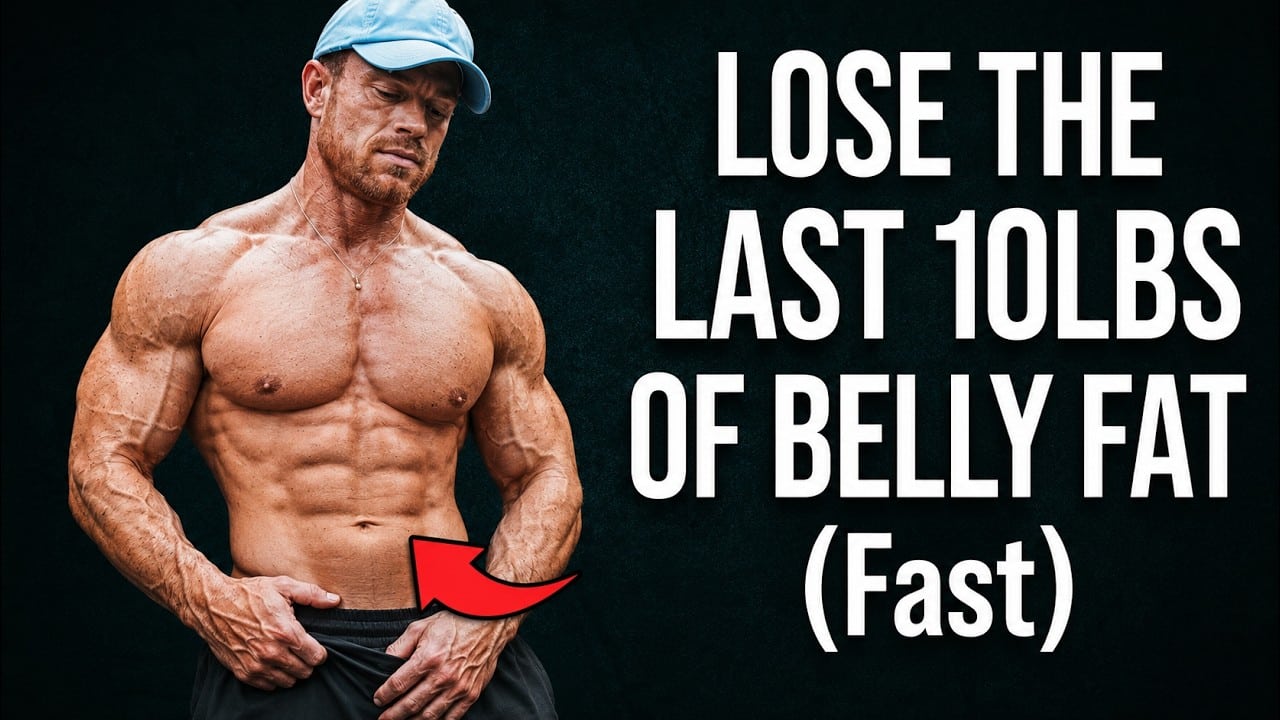
Yet two weeks later, they feel weaker, look flatter, and somehow haven’t achieved the lean physique they desperately wanted.
The truth? Losing that stubborn final weight isn’t about suffering more—it’s about eliminating every mistake that’s sabotaging fat loss while preserving muscle, training performance, and sanity.
Jump to:
- Understanding Real Fat Loss Versus Scale Weight
- Confirming You’re Actually in a Caloric Deficit
- Eliminating Hidden Calories You’re Ignoring
- Prioritizing Protein Intake
- Strategic Carbohydrate Placement
- Training to Preserve Muscle, Not Burn Calories
- Intelligent Cardio Implementation
- Managing Hunger With Food Volume
- Protecting Sleep Quality
- Avoiding the Fat Burner Trap
- The Exact 14-Day Implementation Plan
- The Mindset That Finishes What Others Quit
Understanding Real Fat Loss Versus Scale Weight
Before diving into tactics, one critical truth must be established: you cannot lose 10 pounds of actual body fat in one week.
Sure, the scale might drop 10 pounds if carbohydrates are removed, sodium is reduced, or dehydration tactics are employed. But that weight loss reflects water depletion, emptied glycogen stores, and less food in the digestive system—not actual fat tissue.

If you want something simple that actually works, this is one of the most effective tools I’ve used to build strength, conditioning, and endurance without needing a full gym setup.
- Full-body training with one weight using swings, squats, and presses
- Solid cast iron build that feels stable and lasts for years
- Comfortable grip that makes high-rep workouts easier to handle
This is what happens when I peak for bodybuilding competitions. We see big fluctuations in body weight based off water, sodium, carbs, digestion.
A genuinely aggressive yet sustainable rate of fat loss sits around 1% of body weight per week. For someone weighing 200 pounds, that translates to roughly 2 pounds weekly. However, extremely lean individuals preparing for competitions should aim closer to 0.5% to preserve muscle mass, as the body increasingly resists further weight loss when body fat drops significantly.
Realistically, losing the final 10 pounds could take anywhere from 5 to 10 weeks while maintaining muscle—far quicker than spending four months cycling between losing weight, feeling depleted, and regaining it.
Confirming You’re Actually in a Caloric Deficit
The human body is an adaptation machine, constantly adjusting to dietary and activity changes.
Many people insist they’re “hardly eating anything,” yet objective data tells a different story. Perhaps there are two very low-calorie days creating the perception of deprivation, three moderate days that feel generous by comparison, and then a higher-calorie weekend.
Fat loss doesn’t care how disciplined you felt Monday. It cares about the total energy balance across the week.
Precision matters here. Weigh yourself every morning under identical conditions: after using the bathroom, before consuming food or drinks, ideally at the same time. Then calculate your 7-day average weight.
Single-day fluctuations mean nothing. Sodium intake, stress levels, sleep quality, carbohydrate consumption, bowel movements, and inflammation all dramatically affect daily weight readings.
If you want something simple that actually works, this is one of the most effective tools I’ve used to build strength, conditioning, and endurance without needing a full gym setup.
- Full-body training with one weight using swings, squats, and presses
- Solid cast iron build that feels stable and lasts for years
- Comfortable grip that makes high-rep workouts easier to handle
I’ve had days in prep where everything was perfect, yet the scale went up. In fact, I’m doing that right now. Two weeks ago, I hit a low of 111.6 kilos. Today, I was 112.4. But I’ve got experience on my side.
If your 7-day average is dropping between 0.5% and 1%, the plan is working. When average weight stalls for 7 to 10 days, make one small adjustment: reduce food by approximately 200 calories daily, or add manageable weekly activity. Never both simultaneously, as you’ll lose the ability to determine which change produced results.
Eliminating Hidden Calories You’re Ignoring
When attempting to shed those final pounds, precision becomes non-negotiable.
Losing 50 pounds allows for general improvements in food choices and movement. But dialing in that last bit of stubborn fat requires accounting for everything:
- Cooking oils (one spoonful can contain 100+ hidden calories)
- Nut butter portions (easily double what you estimate)
- Sauces and condiments
- Milk in coffee
- Intra-workout carbohydrates
- Bites while cooking
- Restaurant meals with “guessed” calorie counts
In fact, where I am right now in Bali, so many restaurants serve 200 grams of chicken. They cook it all in oil going to taste so damn good. I can’t order any of that stuff because I don’t trust it.
For two weeks straight, weigh food properly—every single gram. Use consistent measurement methods. If tracking raw meat, keep it raw. If tracking cooked rice, keep it cooked. Constantly changing measurement methods creates incomprehensible data.
Prioritizing Protein Intake
When calories decrease, protein becomes increasingly critical for muscle retention.
Resistance training provides one reason for your body to maintain muscle; adequate protein provides the other. During aggressive dieting, aim for approximately 1 gram of protein per pound of body weight, possibly higher depending on leanness level, caloric intake, and lean mass carried.
If you want something simple that actually works, this is one of the most effective tools I’ve used to build strength, conditioning, and endurance without needing a full gym setup.
- Full-body training with one weight using swings, squats, and presses
- Solid cast iron build that feels stable and lasts for years
- Comfortable grip that makes high-rep workouts easier to handle
Just for an example, I eat 280 grams of protein a day, but I’m about 260 pounds. So I’m about 20 grams above, but I’m also very big and my lean body mass is pretty high.
For individuals with higher body fat percentages, base protein intake on lean body weight rather than total weight. Someone weighing 300 pounds at 50% body fat shouldn’t consume 300 grams of protein.
More important than exact numbers: ensure every meal contains a meaningful protein serving. For most men, that means 35 to 60 grams per meal, spread across four to six daily meals.
Preferred protein sources include:
- Chicken breast
- Turkey
- White fish
- Prawns
- Lean steak
- Egg whites
- Whey isolate
These foods provide substantial protein without consuming excessive calories. Avoid treating peanut butter as a protein source—it’s predominantly fat, and relying on it will quickly exhaust your calorie budget.
Strategic Carbohydrate Placement
One devastating mistake during aggressive dieting: removing all carbohydrates from around workouts.
Training quality provides the primary signal for muscle retention. Strip away pre- and post-workout nutrition, and performance collapses. Training quality drops, creating a smaller, flatter physique rather than a lean, muscular one.
If you want something simple that actually works, this is one of the most effective tools I’ve used to build strength, conditioning, and endurance without needing a full gym setup.
- Full-body training with one weight using swings, squats, and presses
- Solid cast iron build that feels stable and lasts for years
- Comfortable grip that makes high-rep workouts easier to handle
Instead, organize food intelligently. Keep a significant percentage of daily carbohydrates surrounding training sessions—a substantial serving pre-workout, potentially some intra-workout if volume and calorie allowance justify it, and carbohydrates post-workout.
Then reduce carbohydrates from meals offering minimal benefit: several hours away from training, morning meals on rest days, or right before bed.
Simple calorie-reduction swaps:
- White fish instead of fattier steak
- Egg whites replacing whole eggs
- Vegetables, berries, or potatoes for calorie-dense carbohydrates
- Reducing almond butter and additional fats
Make every calorie earn its place in your diet.
Training to Preserve Muscle, Not Burn Calories
Weight training sessions shouldn’t transform into cardio sessions.
What built your muscle will keep your muscle. Your goal is to not change the way you train.
High reps don’t “tone” muscles. Low reps don’t exclusively “build” them. If you normally press a certain weight for 10 reps, suddenly using half that weight in circuits with 20-second rest periods removes the stimulus that maintains muscle.
If you want something simple that actually works, this is one of the most effective tools I’ve used to build strength, conditioning, and endurance without needing a full gym setup.
- Full-body training with one weight using swings, squats, and presses
- Solid cast iron build that feels stable and lasts for years
- Comfortable grip that makes high-rep workouts easier to handle
Weight training during dieting serves one purpose: maintaining strength and muscle mass. Continue training intensely, creating high mechanical tension, taking working sets close to failure for meaningful stimulus—but potentially reduce volume as recovery capacity declines.
You don’t need six chest exercises when three properly executed movements create equivalent stimulus. Leaving every session feeling destroyed doesn’t equal superior fat loss—sometimes it just means compromised recovery.
Intelligent Cardio Implementation
Cardiovascular exercise works, steps work—but there’s a point where adding more activity creates diminishing returns.
Increasing from 5,000 to 10,000 daily steps could produce major differences. But jumping from 20,000 to 30,000 steps isn’t always the smartest progression. Consider the fatigue cost, joint stress, sleep quality, training performance impact, hunger signaling changes, and whether your body compensates by moving less throughout the day.
Keep daily steps consistent and measurable, then add low-intensity cardio strategically. Perhaps 20 to 40 minutes, two to six times weekly, depending on current conditioning. Incline treadmill, bike, cross trainer—whatever creates energy expenditure without destroying legs.
Maintain intensity where holding a conversation remains possible. A practical target: keeping heart rate consistently above 130 beats per minute (around 120 for individuals over 50).
If you want something simple that actually works, this is one of the most effective tools I’ve used to build strength, conditioning, and endurance without needing a full gym setup.
- Full-body training with one weight using swings, squats, and presses
- Solid cast iron build that feels stable and lasts for years
- Comfortable grip that makes high-rep workouts easier to handle
Managing Hunger With Food Volume
Calorie budgets can disappear in three bites of calorie-dense foods, or they can be built into meals that actually satisfy.
High-volume, low-calorie options include:
- Vegetables (mushrooms, courgette, cucumber, lettuce, cauliflower)
- Berries
- Potatoes (more filling than processed carbohydrates)
- Salads
- Oats
- Lean proteins
Sugar-free drinks, coffee, low-calorie jello, and psyllium husk (if well-tolerated) can also help. However, don’t suddenly increase fiber intake dramatically—it causes digestive distress. Start with approximately 5 grams daily, perhaps mixed into oats.
Be cautious with excessive vegetables if they cause bloating or constipation. Carrying massive food volume in your digestive system can make you look and feel worse despite following your diet perfectly.
Protecting Sleep Quality
Poor sleep makes every dieting aspect harder.
Hunger increases, cravings intensify, training performance declines, recovery worsens, daily movement drops unconsciously, and decision-making deteriorates. Surviving on five hours of sleep while relying on stimulants to function won’t support 10 weeks of consistent progress.
If you want something simple that actually works, this is one of the most effective tools I’ve used to build strength, conditioning, and endurance without needing a full gym setup.
- Full-body training with one weight using swings, squats, and presses
- Solid cast iron build that feels stable and lasts for years
- Comfortable grip that makes high-rep workouts easier to handle
Aim for 7.5 to 9 hours in bed nightly. Maintain consistent sleep and wake times, reduce evening caffeine, establish a bedtime routine.
Avoiding the Fat Burner Trap
As leanness increases, so does temptation to find shortcuts—stronger stimulants, additional fat burners, higher supplement doses.
No supplement rescues a poorly controlled diet. Stacking stimulants when already tired, underfed, and highly active creates more problems: elevated heart rate, increased blood pressure, disrupted sleep, heightened anxiety, declining training quality.
The same applies to abusing thyroid medication, diuretics, laxatives, excessive sauna use, or performance-enhancing drugs. These strategies alter scale weight without magically removing significant body fat—and aren’t worth creating serious health issues.
The Exact 14-Day Implementation Plan
Here’s the precise protocol for creating immediate momentum:
- Set calories and maintain consistency — no cheat meals, no untracked restaurant meals, no guessing
- Keep protein high — divide across four to six daily meals
- Maintain current step count consistently — avoid 8,000 one day and 25,000 the next
- Add 25 minutes of low-intensity cardio four times weekly — if already doing substantial amounts, don’t blindly add more
- Remove 200-250 calories from lowest-value sources — typically additional fats, snacks, or carbohydrates farthest from training
- Keep sodium, water, fiber, and meal timing consistent
- Record morning weight, waist measurement, sleep quality, resting heart rate, and training performance
- Make no additional changes until collecting seven full days of accurate data — then review weekly
If weight loss stalls after proper data collection, remove another 150 calories or add cardio. The answer isn’t always pushing harder—sometimes the fastest route forward is preventing burnout.
If you want something simple that actually works, this is one of the most effective tools I’ve used to build strength, conditioning, and endurance without needing a full gym setup.
- Full-body training with one weight using swings, squats, and presses
- Solid cast iron build that feels stable and lasts for years
- Comfortable grip that makes high-rep workouts easier to handle
The Mindset That Finishes What Others Quit
Those final 10 pounds expose everything: patience, discipline, food relationships, ability to follow processes when scales don’t immediately reward effort.
People who successfully complete diets aren’t those who suffer most—they’re individuals making the fewest emotional decisions while staying consistent long enough for the process to work.
Do not ask yourself, “How much more can I suffer?” Ask yourself, “What mistake can I remove today?”
The final 10 pounds are lost by executing basics at an elite level repeatedly, when everyone else has quit or panicked. Master that process, and you won’t just get lean—you’ll become someone who knows how to finish what they started.