The glutes aren’t just a powerhouse muscle group—training them effectively can completely transform your physique. Whether you’re aiming for athletic performance, better posture, or a curvier silhouette, strategically growing your glutes puts your effort on full display from the side and rear view.
But with a sea of exercises online, how do you separate the science-backed winners from the flashy flops? This evidence-based guide ranks glute exercises from best to worst—using criteria grounded in muscle hypertrophy science, joint safety, range of motion, and progressive overload potential.
Jump to:
- Why Glute Training Deserves Your Focus
- How We Ranked Glute Exercises
- Top-Tier (S-Tier) Glute Exercises
- Highly Effective (A-Tier) Glute Exercises
- Moderately Effective (B-Tier) Glute Exercises
- Low-Impact (C and D-Tier) Exercises
- Your Ultimate Glute Growth Blueprint
- Training Isn’t Enough—Don’t Forget Nutrition
- Final Takeaway
Why Glute Training Deserves Your Focus
The gluteal muscle group is composed of three distinct muscles:
- Gluteus Maximus: The largest of the three, responsible for hip extension (like in deadlifts) and external rotation.
- Gluteus Medius: Roughly one-third the size of the maximus, but as large as your delts. Key for upper glute volume and responsible for hip abduction—moving the leg out to the side.
- Gluteus Minimus: Smallest of the trio, yet essential for stabilizing and rounding out upper glute development.
For balanced development and growth that’s visible from every angle, training different parts of the glutes—upper, middle, and lower—is essential. The best programs include exercises that target the glutes in both stretched and shortened positions.
How We Ranked Glute Exercises
The ranking system evaluates each movement with three key criteria:
- High muscular tension, especially when the glute is under stretch.
- Comfort and joint safety: exercises you can perform regularly without hip, knee, or lower back pain.
- Progressive overload potential: Can you increase resistance consistently over time?
Top-Tier (S-Tier) Glute Exercises
🏆 Walking Lunges
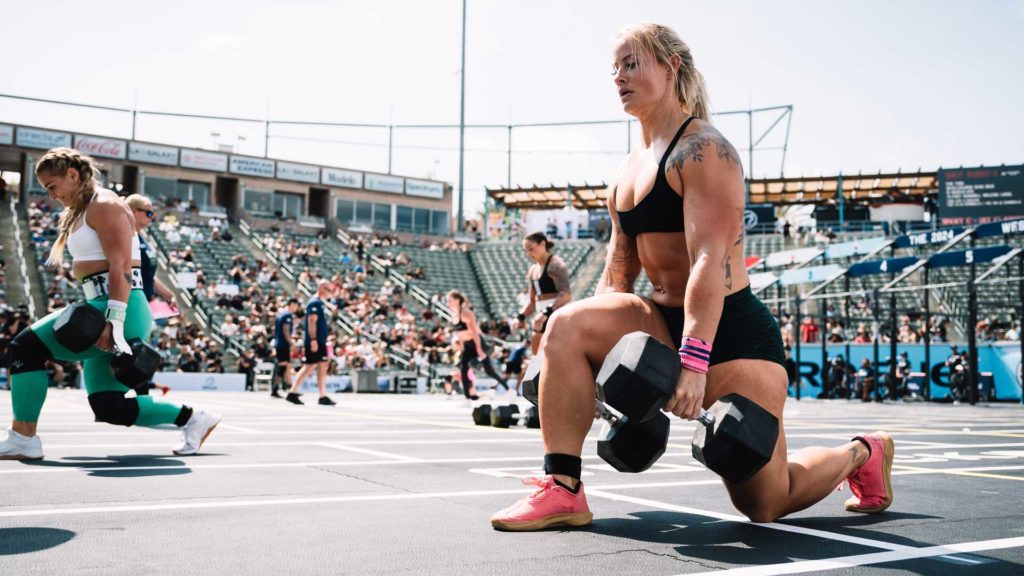
S+: The most complete glute-builder. Walking lunges hit all parts of the glutes through a deep stretch and high stabilization demand. Taking longer strides and leaning your torso slightly forward places more emphasis directly on your glutes versus quads. Their dynamic nature makes them both hypertrophy- and mentally engaging.
Machine Hip Abductions
S: Directly targets the gluteus medius and minimus. Leaning forward by about 30° optimizes the pull line, maximizing upper glute stretch and contraction. Easy to load—and to progressively overload.
45° Back Extensions
S: Though often mistaken as purely a lower back exercise, this move deeply stretches the glutes. Round the upper back slightly and drive through the hips to increase glute activation.
Smith Machine Lunges (Front Foot Elevated)
S: Elevating the front foot increases the bottom range of motion, pulling the glutes into a deeper stretch. With the fixed bar path, balance is less of an issue, keeping the focus on glutes.
Highly Effective (A-Tier) Glute Exercises
- Bulgarian Split Squats: Deep hip flexion hits the glutes hard. Lean slightly forward and place your foot further out front to shift more load onto your rear.
- Glute Drive Machine Hip Thrust: High load potential and comfort make this a standout for growing the gluteus maximus (mid-glute focus).
- Single-Leg Dumbbell Hip Thrust: Unilateral movement increases glute medius recruitment and corrects imbalances. Keep reps light (12–15) and tight.
- Romanian Deadlifts (RDLs): A glute-ham tie-in destroyer. The king of lower glute training—with an excellent tension profile and easy progression.
- Smith Machine Squats: Move feet forward to hit your hips harder than your knees. Great for isolating the glutes without worrying about balancing the bar.
- Kickbacks (Machine or Cable): Especially if you kick diagonally back and out. Great for isolating upper glute fibers with smooth resistance.
- Step-Ups: One-leg balance boosts glute medius and minimus use. Go with a box just above knee height for a better stretch.
Moderately Effective (B-Tier) Glute Exercises
- Barbell Hip Thrust: Builds the mid-glutes but lacks deep stretch. Takes time to set up and becomes uncomfortable at higher loads without proper padding.
- Conventional Deadlift: Effective for stretching the lower glutes but very fatiguing overall. While great for strength, its hypertrophy cost-benefit isn’t ideal.
- Sumo Deadlift: Slightly more upper glute involvement due to the wide stance and foot flare.
- Cable Hip Abductions: Good for upper glutes but not as stable or easy to load as the machine version.
- Curtsy Lunge: Adds a diagonal movement challenge for glute medius, but not easy to load and less effective than traditional lunges.
- Glute Bridge: A floor-based version of hip thrust. Good for beginners but lacks full range of motion for hypertrophy.
Low-Impact (C and D-Tier) Exercises
C-Tier: Limited Effectiveness
- Frog Pumps: Engages glute medius through abduction but hard to load and limiting for progressive overload.
- Lateral Banded Walks: Great activation drill—just not enough tension in the stretched position to build muscle consistently.
D-Tier: Least Effective for Muscle Growth
- Donkey Kicks: Difficult to load, minimal tension when glutes are stretched. Best left to activation warm-ups or rehab.
- Fire Hydrants: Shares the same issues. Minimal mechanical tension, hard to progress, better suited for warm-up circuits.
- Kettlebell Swings: High velocity, low tension. Great for cardio or explosive power—but lacks the consistent mechanical tension needed for muscle growth.
Your Ultimate Glute Growth Blueprint
For well-rounded glute development, combine movements that target different glute divisions:
| Glute Area | Best Exercise |
|---|---|
| Upper Glutes | Machine Hip Abduction (Leaning Forward) |
| Middle Glutes | Hip Thrust (Machine Version Preferred) |
| Lower Glutes | Romanian Deadlifts |
Combine these with your pick of S or A-tier exercises to customize your own glute-dominant program. Aim for 2–3 sessions per week with a mix of compound lifts, isolated moves, and a progressive overload plan.
Training Isn’t Enough—Don’t Forget Nutrition
Every rep stacks stimulus—but nutrition is what turns that stimulus into new size. To grow your glutes:
- Eat in a moderate calorie surplus.
- Hit at least 0.7–1 gram of protein per pound of bodyweight.
- Fuel your training with quality carbs and fats.
Tracking your macros can dramatically improve your progress. Consider tools like the MacroFactor app (code: JEFF) to ensure you’re on point week after week.
Final Takeaway
If you want visible, powerful glutes, it’s not about doing endless kickbacks or banded moves. It’s about stacking heavy, high-quality, science-backed exercises like Romanian deadlifts, walking lunges, and abductions—then eating to support growth.
Consistency with the right strategy beats hype every time.
Now it’s your turn to rise to S-tier.