Before anyone hears your pitch, reads your resume, or swipes right on your profile, they’ve already made a decision about you.
It happens in a fraction of a second.
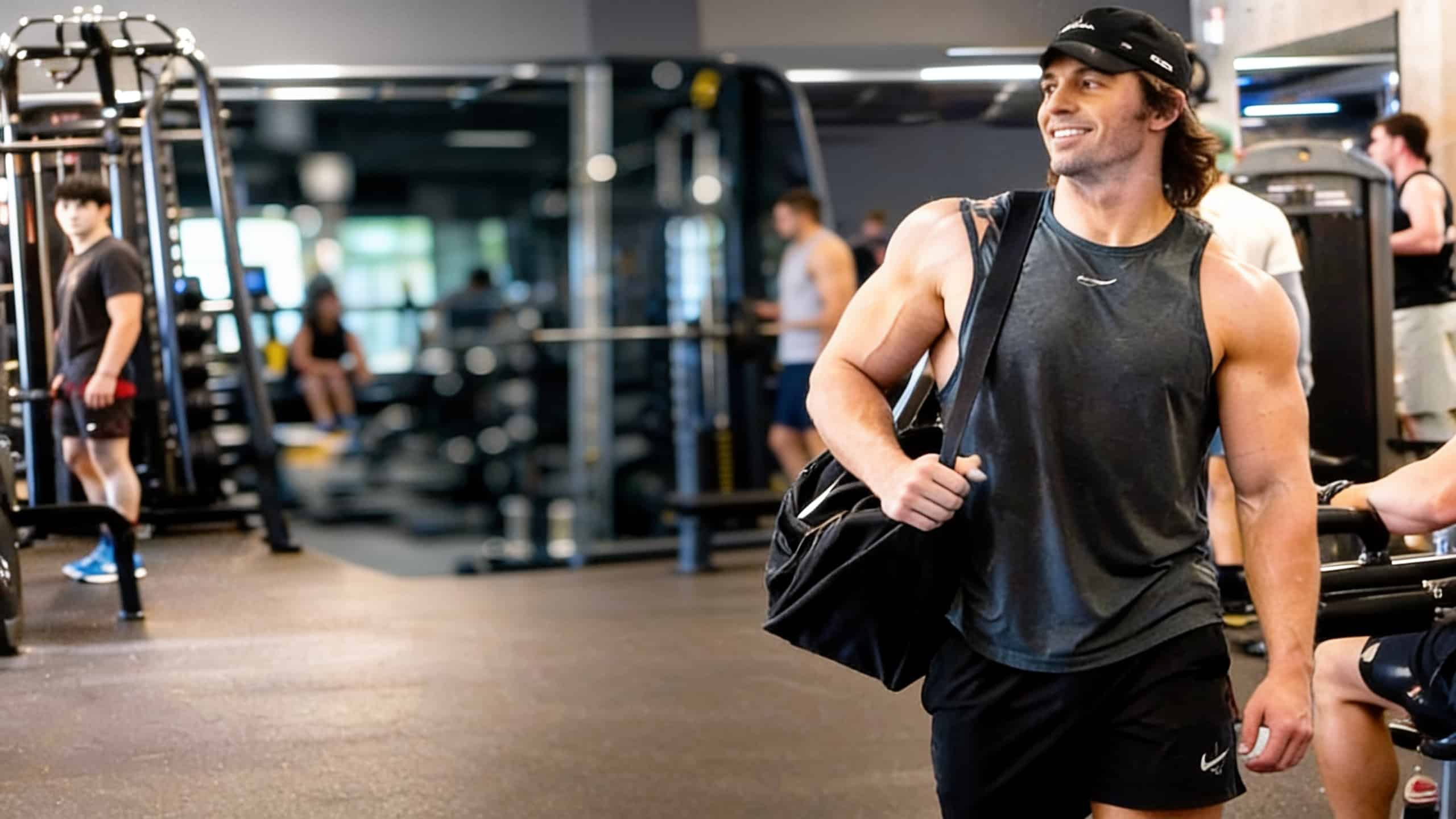
Research shows humans form snap judgments about competence, trustworthiness, and likability in as little as 100 milliseconds—faster than a blink—based purely on appearance.
What role does physical fitness play in those lightning-fast assessments, and could getting in shape actually change how others perceive your character before you ever open your mouth?
Jump to:
The Science Behind Split-Second Judgments
Princeton psychologists Janine Willis and Alexander Todorov published landmark research in Psychological Science in 2006 that fundamentally changed how we understand first impressions. Their findings revealed something striking: people assess trustworthiness, competence, and likability from facial features alone in merely 100 milliseconds.
This phenomenon, called “thin-slicing,” represents the brain’s remarkable ability to make quick assessments from minimal information. While originally focused on facial features, subsequent research expanded this concept to include overall physical presentation—including body composition.
No products found.
Psychologist Edward Thorndike identified a related bias back in 1920 called the “halo effect.” This cognitive shortcut causes people to attribute multiple positive traits to someone based on one favorable characteristic, such as physical attractiveness or visible fitness.
The practical implications are significant. Before any conversation begins, observers have already formed opinions that influence subsequent interactions.
What Fitness Actually Signals
Physical fitness communicates information beyond simple aesthetics. Studies consistently show that physically fit individuals are perceived as more competent, disciplined, and higher status—regardless of their actual capabilities or character.
A 2012 study published in Evolution and Human Behavior found that body shape and muscularity significantly affected perceptions of dominance and attractiveness in men. Observers made automatic inferences about personality traits based solely on physical presentation.
The fitness and self-improvement community has increasingly adopted the framing that physical condition serves as a proxy signal for character traits like discipline, consistency, and delayed gratification. The logic follows a simple path: maintaining fitness requires regular exercise, dietary control, and sustained effort over time—the same habits that theoretically drive success in other life domains.
This “discipline transfer” hypothesis dominates online fitness culture and motivational content. Accounts focused on self-improvement regularly link physical training to broader life success, suggesting gym habits naturally carry over into professional and personal spheres.
No products found.
The Economic Reality of Appearance
Research extends beyond perception into measurable economic outcomes. Economists Daniel Hamermesh and Jeff Biddle published groundbreaking work in the 1990s documenting what they termed the “beauty premium.”
Their findings revealed that physically attractive workers earn roughly 10-15% more than average-looking peers, while less attractive workers face an “ugliness penalty” resulting in lower wages.
This differential treatment based on physical appearance—known sociologically as “lookism”—has been recognized as a legitimate form of bias. Some legal discussions have even proposed protecting it as a class under discrimination law.
The fitness industry itself reflects massive cultural investment in physical presentation, generating over $35 billion in revenue in the United States alone during 2023. That figure doesn’t account for adjacent markets like supplements, athletic wear, or fitness content creation.
Where the Science Gets Complicated
While the research on rapid appearance-based judgments is solid, the specific claim that fitness reliably signals discipline represents an interpretive leap beyond what studies actually demonstrate.
Multiple factors influence body composition independently of willpower or character:
No products found.
- Genetic predisposition significantly affects metabolism, muscle-building capacity, and fat storage patterns
- Socioeconomic access determines availability of healthy food, gym memberships, and time for exercise
- Mental health conditions including depression and anxiety can profoundly impact physical activity and eating patterns
- Physical disabilities and chronic conditions limit exercise options for millions of people
- Medication side effects from treatments for various conditions often cause weight gain or muscle loss
Social psychologists examining thin-slicing note that while people do make rapid judgments, those assessments frequently prove inaccurate. The halo effect may simply generalize from one visible trait rather than accurately detecting underlying character qualities.
The Cultural Landscape of Fitness Motivation
Social media has amplified fitness messaging to unprecedented levels. “Fitspo” content—fitness inspiration posts—dominates platforms like Instagram and TikTok, with popular accounts routinely amassing millions of followers.
This content often links physical transformation directly to life success, positioning gym work as foundational to achievement in business, dating, and social status. The underlying message suggests visible fitness serves as shorthand for desirable personal qualities.
Public health experts and sociologists raise concerns about this framing. Critics argue it reinforces lookism while ignoring structural barriers, potentially contributing to body shame rather than genuine motivation.
Practical Implications for Real Life
Despite the nuanced science, the practical reality remains: physical appearance influences how others perceive and treat you in professional and social contexts.
Organizational psychologists and behavioral economists have documented preferential treatment for visibly fit individuals in hiring, promotion, and leadership selection. Whether this reflects actual capability differences or simply bias in action remains debated.
No products found.
The question becomes whether understanding these biases should motivate fitness efforts or instead prompt efforts to counteract appearance-based discrimination.
For individuals focused on self-improvement, fitness offers genuine health benefits beyond perception management. Cardiovascular health, strength, mobility, and mental health improvements occur regardless of how others judge your appearance.
Beyond Surface-Level Judgments
The relationship between fitness and perceived discipline reveals as much about human cognitive shortcuts as it does about actual character. People seek quick assessment tools in complex social environments, and visible fitness provides an easy—if imperfect—signal.
Whether fitness truly transfers discipline across life domains remains an open question. What research definitively shows is that people believe it does, and those beliefs shape real-world interactions and outcomes.
Understanding these dynamics offers strategic advantage while raising important questions about fairness, equity, and the values society reinforces through unconscious bias. Physical fitness may open doors through perception alone, but sustainable success ultimately requires substance beyond appearance.
The 100-millisecond judgment window represents both opportunity and challenge—a reminder that presentation matters while highlighting the limitations of snap assessments in capturing human complexity.
No products found.