A Mayo Clinic oncologist who survived Stage 4 cancer at 26 has spent more than two decades uncovering how everyday foods can create biological conditions that resist disease.
Dr. Dawn Mussallem’s story isn’t just about survival—it’s about what she learned in the years that followed.
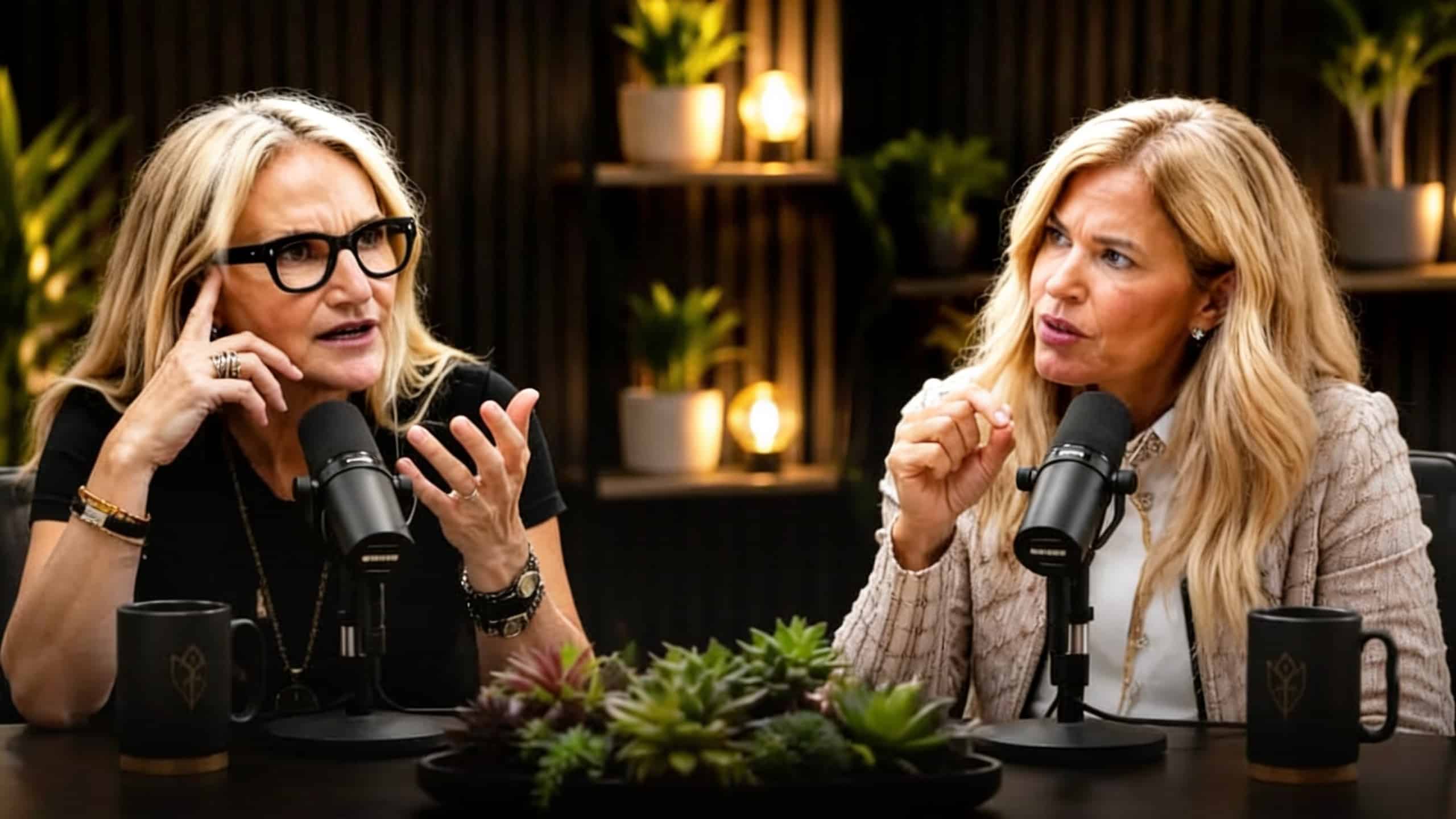
Her focus shifted from treating cancer to understanding how lifestyle and nutrition shape the body’s vulnerability to it.
The recommendations she now shares draw from institutional research and decades of clinical practice in integrative oncology, a field that examines how daily habits influence disease at the cellular level.
Jump to:
- From Patient to Physician: A Career Built on Survival
- The Shift From Treatment to Prevention
- The Evidence Behind Food-Based Cancer Prevention
- What Makes These Foods Effective?
- The Integrative Oncology Approach
- Longevity Medicine: Beyond Cancer
- The Commercialization of Longevity Science
- Practical Takeaways for Cancer Prevention
- The Bottom Line
From Patient to Physician: A Career Built on Survival
Dr. Mussallem’s diagnosis came when she was just 26 years old. Aggressive Stage 4 cancer. Doctors gave her months to live.
She survived—and turned that experience into a 26-year mission.
Now practicing at Mayo Clinic, she specializes in lifestyle medicine and integrative oncology, fields that sit at the intersection of conventional treatment and prevention science. Her work examines how nutrition, sleep, stress management, and movement affect cancer risk, recurrence, and overall longevity.
This approach aligns with emerging research in longevity medicine, a rapidly evolving domain described in a 2025 PubMed Central review as incorporating lifestyle adjustments, preventive healthcare, and personalized medicine aimed at delaying age-related disease.
The Shift From Treatment to Prevention
Modern longevity medicine operates on a core principle: disease prevention isn’t just about avoiding pathogens.
It’s about optimizing internal biological conditions so illness struggles to take root.
A 2025 New England Journal of Medicine global analysis reinforced this idea. Individuals who reached age 50 without five key cardiovascular risk factors lived significantly longer and developed heart disease much later in life.
The message is clear: what happens before disease manifests matters more than we once thought.
Dr. Mussallem’s work extends this logic to cancer, focusing on foods and habits that create what she calls an “internal environment hostile to disease.”
The Evidence Behind Food-Based Cancer Prevention
Dr. Mussallem’s dietary recommendations aren’t anecdotal. They’re rooted in peer-reviewed research from credible institutions.
Fiber and Breast Cancer Survival
A JAMA Network study examined the relationship between dietary fiber intake and survival outcomes after breast cancer diagnosis.
Higher fiber consumption was associated with improved survival rates, suggesting that what patients eat after diagnosis may influence outcomes as much as treatment protocols.
Legumes and Colorectal Cancer Risk
The World Cancer Research Fund has published evidence linking legume and pulse consumption—beans, lentils, chickpeas—to reduced colorectal cancer risk.
These foods are rich in fiber, resistant starch, and polyphenols, all of which support gut microbiome health and reduce inflammation.
Soy and Breast Cancer: Debunking the Myths
For years, soy was considered risky for breast cancer survivors due to its phytoestrogen content.
The American Cancer Society has since issued guidance concluding that moderate soy consumption is safe—and may even be beneficial for breast cancer survivors.
The phytoestrogens in soy don’t behave like human estrogen. Instead, they may block more potent estrogens from binding to receptors, potentially lowering risk.
What Makes These Foods Effective?
The common thread among Dr. Mussallem’s recommendations is their impact on systemic inflammation, oxidative stress, and cellular repair mechanisms.
Here’s what the science suggests:
- Fiber feeds beneficial gut bacteria, which produce short-chain fatty acids that reduce inflammation and support immune function.
- Legumes provide plant-based protein, antioxidants, and resistant starch, all of which modulate blood sugar and insulin response—key factors in cancer growth.
- Soy foods contain isoflavones, compounds with antioxidant and anti-inflammatory properties that may protect cells from DNA damage.
These aren’t miracle cures. They’re incremental shifts that, over time, change the biological terrain in which disease either thrives or struggles.
The Integrative Oncology Approach
Integrative oncology doesn’t reject conventional treatment. It complements it.
Dr. Mussallem’s work reflects a growing clinical subspecialty that recognizes cancer as a multi-factorial disease influenced by genetics, environment, and lifestyle.
While chemotherapy, radiation, and surgery target tumors directly, lifestyle medicine targets the conditions that allowed those tumors to develop in the first place.
This dual approach is gaining traction. More oncologists now discuss nutrition, stress management, and sleep hygiene alongside treatment plans.
Longevity Medicine: Beyond Cancer
Dr. Mussallem’s recommendations extend beyond cancer prevention. They align with broader longevity strategies aimed at closing the gap between lifespan and healthspan—the number of years lived in good health.
According to the 2025 PubMed Central review, longevity medicine incorporates:
- Personalized nutrition plans based on metabolic health
- Preventive screenings that identify risk before disease manifests
- Lifestyle interventions targeting inflammation, insulin resistance, and oxidative stress
These principles mirror what Dr. Mussallem advocates: proactive, daily choices that build resilience at the cellular level.
The Commercialization of Longevity Science
Dr. Mussallem’s story and recommendations have been widely shared, often embedded in social media posts promoting paid products like “The Modern Life Longevity Protocol.”
This raises questions. Where does evidence-based education end and influencer marketing begin?
The cited studies—JAMA Network, World Cancer Research Fund, American Cancer Society—are legitimate. The science is real. But the delivery method, using personal survival narratives and limited-time discounts, mirrors wellness commerce tactics that health misinformation researchers have documented.
It’s possible for both to be true: the information can be credible and the packaging can be commercial.
Consumers should evaluate sources carefully, even when credentials are impressive.
Practical Takeaways for Cancer Prevention
If you’re interested in applying longevity nutrition principles, here’s what the research supports:
- Prioritize fiber. Aim for 25–35 grams daily from whole grains, vegetables, fruits, and legumes.
- Include legumes regularly. Beans, lentils, and chickpeas offer fiber, protein, and bioactive compounds linked to reduced cancer risk.
- Reconsider soy. Moderate consumption of whole soy foods (tofu, tempeh, edamame) is safe and may be protective, especially for breast cancer survivors.
- Focus on anti-inflammatory patterns. Mediterranean and plant-forward diets consistently show benefits for longevity and disease prevention.
- Don’t rely on diet alone. Sleep, stress management, physical activity, and regular screenings are equally important.
No single food prevents cancer. But cumulative dietary patterns shape long-term risk in measurable ways.
The Bottom Line
Dr. Dawn Mussallem’s survival story is compelling, and her career shift toward lifestyle medicine reflects a broader movement in oncology.
The foods she recommends—fiber-rich whole grains, legumes, soy—are backed by credible research from institutions like JAMA, the World Cancer Research Fund, and the American Cancer Society.
But context matters. These recommendations work best as part of comprehensive lifestyle strategies, not isolated interventions. And while her credentials and the science are sound, the commercial framing of longevity content warrants critical evaluation.
Prevention isn’t about perfection. It’s about consistent, evidence-based choices that shift biological odds over time.