Most men think they’re “just 10 pounds away” from their dream physique — and they’re wrong. That false expectation leads many to burn out, frustrated with a goal that wasn’t realistic to begin with.
In a recent video, a popular fitness coach broke down the truth about body fat percentages — what they actually look like in real life and what it takes to move from one stage to the next.
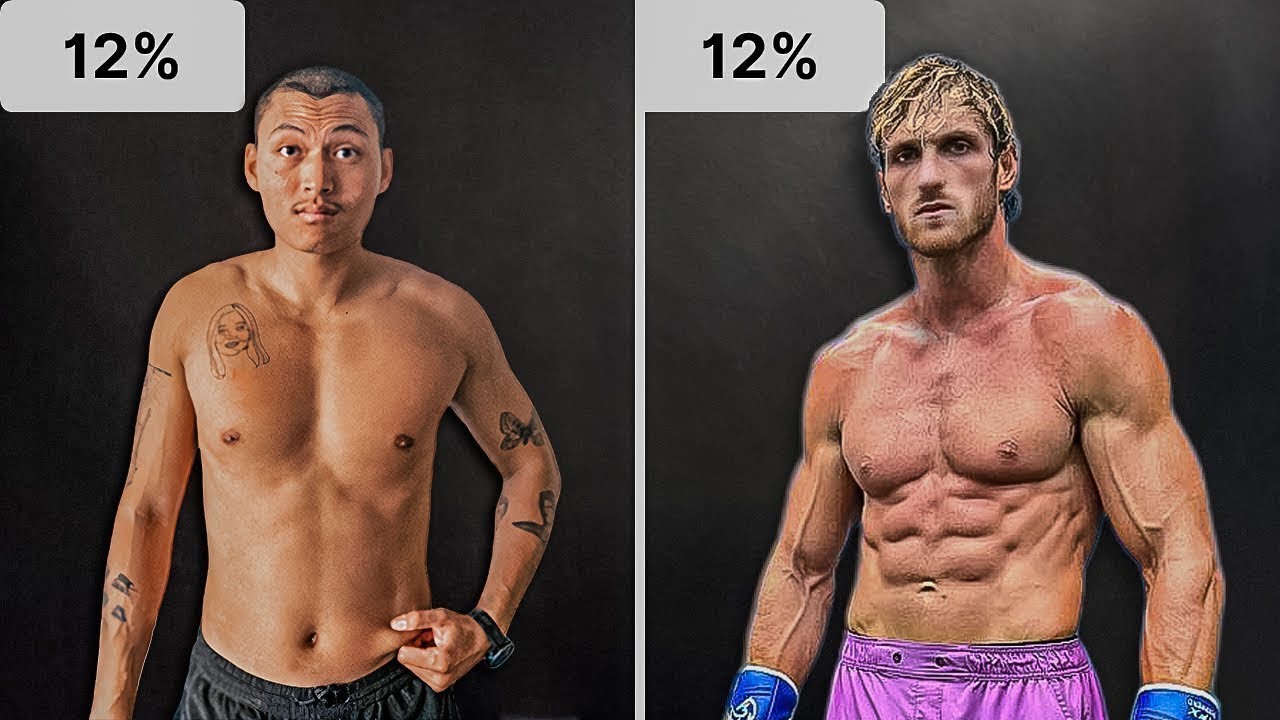
He compared everyday bodies from over 30% down to under 10% to reveal why two people at the same body fat can look completely different — all because of muscle mass.
This article explores the eye-opening truth about body fat, how to set smarter goals, and what really matters in your transformation.
By the end, you’ll know how to avoid wasting years chasing the wrong physique — and finally build a body you’re proud of.
Jump to:
Why Most Guys Misjudge Their Body Fat Goals
Many men completely misjudge their starting point. They assume they’re near the finish line when they’re actually at the beginning of the race. This is especially common with “skinny fat” individuals — people who don’t look overweight in clothes, but carry a high amount of body fat relative to muscle mass.
Take Mr. Beast, for example. At 212 lbs, he didn’t look obese, but he was at 30% body fat — the national average today. That’s considered clinically obese, despite not looking “massive.”
30% to 20% Body Fat: The Most Impactful (and Easiest) Phase
What 30% Looks Like
At 30% body fat, you probably don’t think you “look obese” — but medically, you are. You might look normal in a hoodie, but underneath is a layer of hidden fat causing insulin resistance, low testosterone, and systemic inflammation.
Good news? Dropping from 30% to 20% body fat is the easiest and fastest transformation stage — and has the biggest health benefits.
No Gym Needed — Just Daily Movement
In the 1970s, only 15% of Americans were obese — and no one was tracking macros or doing CrossFit. Instead, they simply moved more and ate less ultra-processed food.
- Exercise activity (working out) makes up only 5% of total daily energy burn
- NEAT (non-exercise activity thermogenesis) — like walking, standing, fidgeting — burns 3x more: about 15% daily
To get from 30% to 20%:
- Eat mostly whole foods
- Walk 5,000–10,000 steps a day
- Use stairs, park further, carry your groceries
- Be generally more active — any form counts
Result: You can realistically drop to 20% in about 4–6 months with these habits. And you’ll feel better, look better, and have more testosterone too.
20% Body Fat: The Fork in the Road
What 20% Looks Like
The look at this phase varies dramatically. A 20% body fat man with little muscle may appear soft and undefined, while someone like strongman Eddie Hall at 20% looks absolutely massive — just from sheer muscle.
This stage is where frustration often sets in. You get leaner, but don’t look how you pictured. That’s because…
“If you have no muscle underneath, there’s nothing to reveal when you cut.”
Cut, Bulk, or Recomp?
If you’re at 20% with minimal muscle, doing another fat loss phase might be the wrong move. Instead, a body recomposition approach is smarter:
- Train hard with resistance
- Eat at maintenance with high protein
- Lose fat slowly — if any — while building lean muscle
This reshapes your body — you’ll look leaner at the SAME body fat percentage, solely because of added muscle.
15% Body Fat: The Sweet Spot (for Most Guys)
What 15% Looks Like
This is often the phase where abs start to appear — depending on genetics. But again, appearance varies dramatically based on muscle:
- Low muscle + low fat = skinny/”melted candle” look
- Moderate muscle + 15% = lean, athletic aesthetic
- High muscle mass = jacked at 15%
Most men feel and perform best here:
- Optimal testosterone and libido
- Great gym performance
- No chronic hunger or fatigue
- Can eat out and stay lean
Focus on Recomposition and Gains
This is an ideal time to build muscle:
- Train 2–4 times a week (30–60 mins per session)
- Start on machines for ease and confidence
- Let consistency drive results, not perfection
The key is progressive overload — increasing reps, weight, or sets each week. Simple plans executed consistently win every time.
10% Body Fat: Extreme Leanness Comes at a Cost
What It Takes to Get to 10%
This is where it gets difficult. You need a precise calorie deficit and serious discipline. Tracking calories isn’t optional anymore — it’s required.
- Lifting heavy is critical to maintain muscle
- Meal prep, timed eating, or tracking apps — some system is mandatory
- Your body resists fat loss — hunger increases, energy drops
Is It Worth It?
“Most guys want a six-pack to feel happy — without realizing how much happiness they sacrifice to get there.”
10% body fat affects your lifestyle:
- Skipping social events to stay on track
- Constantly managing hunger or cravings
- Poor sleep and lower energy
James Smith, a well-known coach, shared he was at 11% per DEXA scan — yet still no six-pack due to genetics. Each person stores fat differently, and you have no control over which area shrinks first.
Setting the Right Goals for You
Physique changes should match your lifestyle, genetics, and psychological well-being.
For most men, the ideal zone is:
- Body fat around 15–18%
- Feeling strong, energetic, and confident
- Managing food, not obsessing over it
You can look better at 16% with muscle than at 10% without. “Shredded” isn’t always better.
“Fitness is about better self-esteem, more energy, and improving your life — not just your image.”
Where Should You Start?
If you’re unsure where you fall, use a free body fat estimation tool using your height, gender, and waist size. This alone can reset your expectations and guide smarter choices.
Then, pick a goal that’s both realistic and meaningful — not just a number. Whether it’s losing the first 10%, reversing skinny fat, or finally training seriously for gains — the right plan will match your body and lifestyle now, and carry you into the future.
The body you want doesn’t start with perfection.
It starts with understanding.