As we age, staying fit becomes more than just a vanity project—it’s about longevity, quality of life, and protecting the body from chronic disease.
But what’s more effective for aging athletes: long, steady workouts or short, intense sessions? The answer might surprise you.
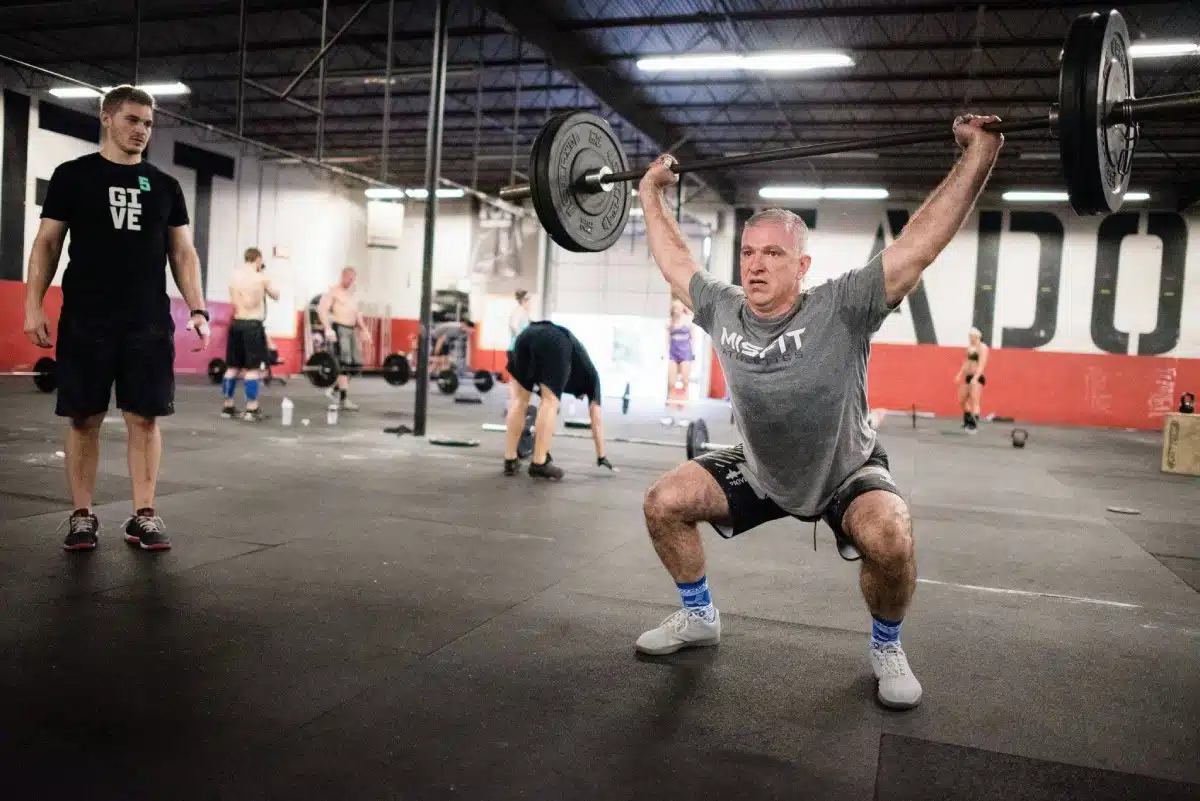
New insights from leading fitness experts, performance coaches, and health researchers reveal that the path to sustainable strength and health after 40 is not paved with endless cardio sessions or obsessive calorie counting.
Instead, it’s about smarter intensity, optimized recovery, and a total mindset shift around how we define “fit.”
Jump to:
- The Case for Training Hard, Not Long
- Strength Training Preserves Muscle—and Metabolism
- Cardio: Great for the Mind, Not for Fat Loss
- The Power of Fasting—When Done Right
- Recovery: The Hidden Key to Longevity
- Building Your Weekly Training Plan
- The Mindset Shift: Recompose, Don’t Just Lose
- Final Thought: Invest in Today’s Health for Tomorrow’s Self
The Case for Training Hard, Not Long
“You can train long or you can train hard, but you can’t do both,” says one expert in the interview. This mantra underlines the crux of training for longevity—intensity trumps duration. As we age, our joints endure more wear and tear. Endless reps, especially with poor form, exacerbate this, accelerating degenerative joint issues.
Instead, focusing on high-effort sets taken close to failure within safe form limits offers a more efficient and joint-friendly stimulus for muscle growth. Research shows that anywhere between 5 to 30 reps to failure can build muscle, meaning lighter weights are just as valid if the intensity is there.
Strength Training Preserves Muscle—and Metabolism
One of the biggest missteps aging individuals make is chasing weight loss instead of body recomposition.
“When you just focus on losing weight through calorie restriction, you lose up to 50% of that weight as muscle,” says a health researcher. “Then, when you regain, it’s 80% fat.”
Muscle isn’t just for aesthetics. It’s a glucose sink, helping manage blood sugar and metabolic health. Retaining or building muscle is key to long-term vitality and even impacts how clothing fits—“muscle is nature’s Spanx,” one expert jokes.
Cardio: Great for the Mind, Not for Fat Loss
Cardio certainly has its place—mental clarity, heart health, and endorphin release. But relying on it for fat loss is a losing game.
“If you run three miles to burn off a donut, you’ll quickly realize how inefficient that is,” explains one trainer. The average person burns about 100–150 calories per mile. But one donut? Around 300–400 calories. You can’t out-exercise a poor diet.
Moreover, for women especially, excessive cardio can raise cortisol, lower progesterone, and create hormonal imbalances that hinder fat loss and muscle maintenance.
The Power of Fasting—When Done Right
Fasting is one of the most misunderstood yet powerful tools for aging health. It’s not about starvation—it’s about creating strategic windows for rest and repair.
According to Dr. Mindy Pelz, author of Fast Like a Girl, fasting can:
- Improve metabolic flexibility
- Trigger autophagy (cellular clean-up)
- Reset the gut with a 24-hour fast
- Unstick stubborn belly fat with 36-hour fat burner fasts
“People who were on medications, struggling with gut issues, or stuck in weight loss plateaus saw incredible transformations just by compressing their eating windows,” Pelz explains.
But she emphasizes caution for those with eating disorders—fasting must be approached with professional guidance.
Recovery: The Hidden Key to Longevity
Cristiano Ronaldo is often cited as the gold standard for aging athletes. The difference between him and peers who’ve aged poorly isn’t just genetics—it’s strategy.
Top athletes now prioritize recovery just as much as training. This includes:
- Sleep monitoring (via tools like Whoop)
- Controlled training volume
- Recovery modalities like infrared saunas
- Periodization and planned deloads
Joint preservation also means avoiding needless wear. “Every rep is like a tire rotation,” one coach notes. “Do fewer, smarter reps with more intensity instead of countless mindless movements.”
Building Your Weekly Training Plan
For those training three to five days a week, experts recommend:
- 2–3 strength sessions: Focus on full-body compound movements.
- 1–2 conditioning days: Light cardio, sprints, or active recovery like swimming or hiking.
- High protein intake: 1g per pound of body weight daily.
- Consistent sleep and hydration.
Muscle maintenance requires adequate calories and protein, especially if you’re in a calorie deficit or doing ketogenic diets. Without it, your body may break down muscle to fuel the brain, especially if you’re lean.
The Mindset Shift: Recompose, Don’t Just Lose
Focusing on building muscle instead of just losing fat shifts the entire health journey.
“At 57, I may not be 19% body fat like I was at 40, but I feel stronger and better than ever,” says one guest. “It’s not weight—it’s composition.”
Long-term health isn’t about punishing your body. It’s about aligning your training, nutrition, and recovery with your goals and your age. And it’s never too late to start.
Final Thought: Invest in Today’s Health for Tomorrow’s Self
Like compound interest, small consistent health investments today pay huge dividends later. Think of fitness as a lifestyle, not a phase.
As one expert puts it, “The battle isn’t lifting the barbell—it’s believing you’re worth the effort.”
So don’t just train. Train smart. Train with purpose. And above all, train to stay in the game for life.