After months of rehabilitation from a hip stress fracture, endurance athlete Fergus Crawley is cautiously re-entering the world of triathlon—with a renewed sense of purpose.
Back in open water and back on the bike, Crawley is shaping a new training block that embraces variety, exploration, and patience over metrics-driven performance.

In a recent video, he shares a detailed look into his current routine, mindset shift, nutritional staples, and an exciting new partnership that signals big things ahead.
If you’re recovering from injury, balancing multiple athletic goals, or just looking to enjoy movement again—there’s a lot you can take away from his approach.
Jump to:
Returning to Triathlon After Injury—One Discipline at a Time
For Crawley, this marks the first full week of his new training phase following a hip stress fracture that derailed his marathon training earlier this year.
While still limited in lower body strength work and unable to run, he’s diving back into two key triathlon disciplines: cycling and swimming.
“We are one component away from a full triathlon today,” he says—indicating that a return to running is not far off, but it’s not being rushed.
A Gentle Open Water Reintroduction
At the Threipmuir Reservoir in Pentland Hills just outside Edinburgh, Crawley swam roughly 1,500 meters in 34 minutes. That pace—deliberately slow—is part of a strategy to slowly acclimate to open water after a long hiatus.
“Slow is smooth and smooth will become fast,” he explains, underscoring the importance of easing back in without pressure.
He also acknowledges his own fear of open water, joking about freshwater sharks and sea monsters—a reminder that even seasoned athletes have mental hurdles to work through.
Outdoor Cycling Makes Its Return
Later the same day, Crawley completed his first outdoor bike ride since the injury, tackling six laps of Arthur’s Seat—an extinct volcano and iconic part of Edinburgh’s landscape.
Up until now, his cycling was confined to the safety and predictability of the turbo trainer. But real roads, inclines, weather conditions, and loose cranks? That’s the reality of outdoor cycling.
“Bike admin is the worst part about riding a bike,” he admits, laughing off mechanical mishaps as part of the adventure.
A Training Routine Built on Flexibility
The new structure of Crawley’s weekly plan is built around maintaining momentum while mitigating re-injury risk.
- Upper body strength: Alternating days serve as upper training or active recovery.
- Swimming + cycling: He swims in the morning and cycles in the evening from Monday through Friday.
- Weekend adventures: A longer group ride or solo outdoor cycle built into Saturday’s schedule adds a dose of exploration and socialization.
This format allows Crawley to uphold physical intensity while giving his recovering hip the time it needs.
Not Chasing Metrics—Chasing Meaning
Perhaps the most significant shift is mental. Crawley notes that he’s no longer hyper-focused on data or progression for now. In fact, he sees value in simply “enjoying the process of executing” the training—something that became increasingly difficult during his marathon build-up.
“With speed-focused running, you’re always looking to control variables: terrain, wind, elevation. It removes a lot of the joy,” he reflects.
In contrast, swimming in stunning locations and biking up volcanic inclines near home have reignited a love for training rooted in experience over performance.
Nutrition Corner: The Return of El Clásico
No training recap would be complete without a look at fuel, and Crawley’s go-to breakfast—a dish he calls “El Clásico”—has been a staple for 14 years.
- 100g oats
- 1 scoop whey protein
- Frozen raspberries or banana
- Drizzle of honey
- Black coffee on the side
This high-carb, moderate-protein meal is consistent, customizable, and simple. More importantly, it supports recovery and fuel needs without complicating mornings.
New Chapter: Supplementing with Purpose
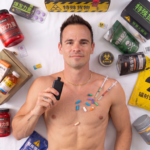
A major announcement from Crawley is his new partnership with ESN (Elite Sports Nutrients). After months of discussion and testing, he’s now working directly with the brand on developing an endurance-specific line of supplements.
“I’m genuinely thrilled,” he says. “They’re really bought in, and the openness to explore more diverse products is what excites me most.”
This collaboration won’t just benefit his own performance—it’s aimed at developing science-based products for broader endurance communities as well. Expect research and development, early product testing, and an emphasis on practical endurance fueling.
Redefining Training: More Fun, Less Fixation
While a full recovery and return to competitive events lie ahead, Crawley isn’t rushing through the process.
In fact, he’s leaning into spontaneity, beauty, and community as key components of what makes endurance sport worthwhile.
“There’s so much value just f***ing around with your training—not taking it too seriously, and enjoying the process,” he says.
Whether it’s a Tuesday morning swim surrounded by hills or a sunset lap around a volcano, he’s rediscovering what pulled him into endurance sports in the first place: connection to the environment, diversity of movement, and joy in the journey.
With bigger goals still months away, Crawley’s current message resonates across all levels of athletes: progress is powerful, but presence matters more.