Chasing maximum strength might be sabotaging your physique goals.
That’s the surprising lesson one fitness creator learned after years of getting sidetracked by heavy lifting and muscle-building protocols.
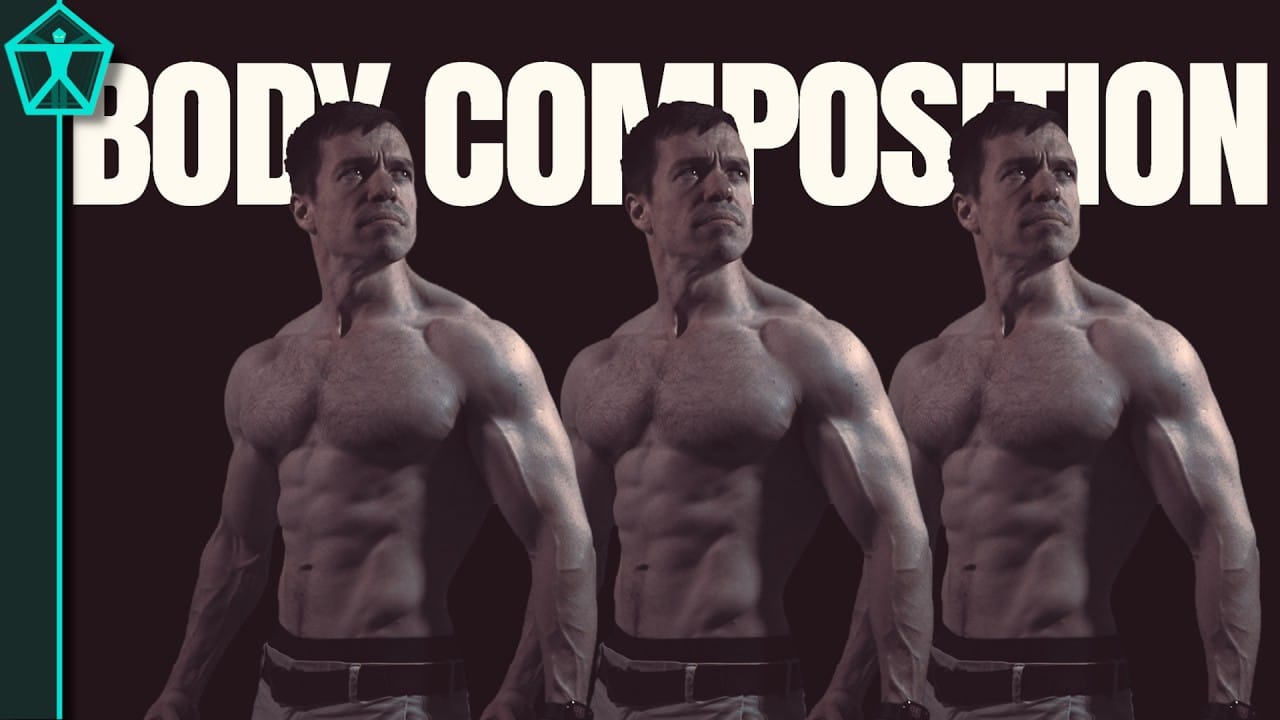
In a recent YouTube video, functional fitness coach and content creator Adam Sinicki shared how reducing his focus on strength training actually improved his body composition and overall athleticism.
His experience challenges conventional gym wisdom—and offers a refreshing perspective for anyone feeling burned out by traditional strength programs.
Jump to:
- When Strength Training Becomes a Distraction
- Audience Expectations Fueled the Problem
- The Hidden Costs of Prioritizing Strength
- The Philosophy Shift That Changed Everything
- Why Skills Training Builds Overlooked Muscle
- Size Doesn’t Equal Aesthetics
- Practical Advantages of Home-Based Training
- Not Anti-Strength, Just Pro-Balance
- Key Takeaways for Your Training
When Strength Training Becomes a Distraction
Sinicki describes himself as someone who trains for functional performance—think handstands, sprints, and movement skills inspired by Jackie Chan and Batman.
But repeatedly, he found himself abandoning these goals in favor of conventional strength work.

If you want something simple that actually works, this is one of the most effective tools I’ve used to build strength, conditioning, and endurance without needing a full gym setup.
- Full-body training with one weight using swings, squats, and presses
- Solid cast iron build that feels stable and lasts for years
- Comfortable grip that makes high-rep workouts easier to handle
I would start training for my movement goals and so often end up getting distracted by strength training. I’d see that my pecs were looking pretty good from all the high-rep push-ups and dips and handstands, so I’d start doing dumbbell press and bench press, eating more protein, and then I’d get sidetracked.
This pattern repeated itself for years. Every time his functional training started producing visible results, he’d shift gears toward maximal strength and muscle gain.
The outcome? A constant cycle of getting heavier, carrying more body fat, and experiencing frequent burnout.
Audience Expectations Fueled the Problem
Part of what kept Sinicki trapped in this loop was pressure to appeal to mainstream fitness expectations.
YouTube audiences gravitate toward strength metrics and big lifts. Movement skills like vertical jumps or one-armed push-ups? Not so much.
People always got angry when I said that max strength on specific lifts wouldn’t actually be that useful for functional performance beyond a certain point. YouTube is so obsessed with strength that if you say anything against this narrative, you get accused of cope or not knowing what you’re talking about.
So he included heavy max strength work in his programming—even when it conflicted with his personal training philosophy.
He felt obligated to post impressive numbers to validate his methods, despite knowing that functional performance rarely demands maximal load capacity.
If you want something simple that actually works, this is one of the most effective tools I’ve used to build strength, conditioning, and endurance without needing a full gym setup.
- Full-body training with one weight using swings, squats, and presses
- Solid cast iron build that feels stable and lasts for years
- Comfortable grip that makes high-rep workouts easier to handle
The Hidden Costs of Prioritizing Strength
Sinicki’s strength-focused periods came with significant downsides:
- Unwanted weight gain: Eating for muscle meant consuming excess protein and carbs, leading to more body fat
- Disproportionate development: Certain muscle groups lagged while others overdeveloped
- Nervous system fatigue: Constantly training near maximum capacity depleted recovery reserves
- Increased injury risk: Heavy loads and high training volumes led to recurring injuries
- Compromised immunity: Combined with being a father of two young children and sleep deprivation, heavy training invited frequent illness
Rather than looking lean and athletic, the strength-first approach left him looking “puffy or soft.”
Something had to change.
The Philosophy Shift That Changed Everything
Eventually, Sinicki decided to train according to his actual preferences rather than audience expectations.
He returned to higher rep ranges targeting strength endurance. He stopped eating specifically for muscle growth and abandoned the practice of hitting muscles from multiple angles with various exercises.
Most significantly, he dedicated serious time to skills training—even when that meant less direct muscle stimulation.
If you want something simple that actually works, this is one of the most effective tools I’ve used to build strength, conditioning, and endurance without needing a full gym setup.
- Full-body training with one weight using swings, squats, and presses
- Solid cast iron build that feels stable and lasts for years
- Comfortable grip that makes high-rep workouts easier to handle
I pretty much stopped going to the gym. I now train almost exclusively from home and occasionally the woods, bodyweight, kettlebells, dumbbells, and occasionally the odd log or rock.
He reduced overall calories and even protein intake, accepting potential muscle loss as part of the process.
The result? His physique improved dramatically.
Why Skills Training Builds Overlooked Muscle
Conventional wisdom suggests building strength on major lifts automatically creates muscle size. While partially true, Sinicki points out that strength and size aren’t perfectly correlated.
If they were, bodybuilders would train exactly like powerlifters—but they don’t.
Bodybuilders incorporate isolation exercises targeting smaller muscles that don’t contribute much to moving maximum weight. Interestingly, skills-based training often develops these overlooked areas better than conventional strength work.
For example:
If you want something simple that actually works, this is one of the most effective tools I’ve used to build strength, conditioning, and endurance without needing a full gym setup.
- Full-body training with one weight using swings, squats, and presses
- Solid cast iron build that feels stable and lasts for years
- Comfortable grip that makes high-rep workouts easier to handle
- Obliques: Most strength programs neglect rotational movements that develop oblique definition
- Rhomboids: Front lever progressions thicken the back in ways rows often miss
- Trapezius: Handstand practice provides exceptional trap development
Even for traditional muscle groups, bodybuilders rarely use three-to-six rep ranges at maximum weight. Instead, they employ higher reps, partials, drop sets, and other techniques that create metabolic stress and muscle damage.
Sinicki’s functional approach naturally incorporated these hypertrophy mechanisms.
Size Doesn’t Equal Aesthetics
Perhaps the biggest revelation was questioning whether maximum muscle size actually produces the best-looking physique.
Sinicki’s aesthetic goals always leaned toward fighters, gymnasts, and anime characters—think Bruce Lee rather than Ronnie Coleman.
These physiques prioritize body composition over absolute size.
Rather than focusing purely on building size, the average person would get a much better-looking physique by focusing more on body composition.
This means combining strength work with endurance training, ignoring the bodybuilding dogma of avoiding cardio, and embracing tools like kettlebells despite their lighter loads.
If you want something simple that actually works, this is one of the most effective tools I’ve used to build strength, conditioning, and endurance without needing a full gym setup.
- Full-body training with one weight using swings, squats, and presses
- Solid cast iron build that feels stable and lasts for years
- Comfortable grip that makes high-rep workouts easier to handle
Higher rep strength endurance work builds muscle while simultaneously reducing body fat—creating that naturally ripped, athletic look many people actually want.
Practical Advantages of Home-Based Training
Beyond aesthetics, Sinicki’s approach offered lifestyle benefits that improved adherence.
Training at home with bodyweight and minimal equipment eliminated commute time and reduced session duration. Less neural fatigue meant better recovery between workouts.
Most importantly, consistency skyrocketed.
Training more casually from home with bodyweight allows me to get workouts in in less time, with no commute, and with less fatigue. And the result is I’m way more consistent, and that alone results in a better physique.
He also experienced improvements in how he felt—lighter, more energetic, and capable of performing the movement skills he originally wanted to develop.
Not Anti-Strength, Just Pro-Balance
Sinicki emphasizes he’s not dismissing bodybuilding or powerlifting as disciplines.
If you want something simple that actually works, this is one of the most effective tools I’ve used to build strength, conditioning, and endurance without needing a full gym setup.
- Full-body training with one weight using swings, squats, and presses
- Solid cast iron build that feels stable and lasts for years
- Comfortable grip that makes high-rep workouts easier to handle
Elite athletes in both fields demonstrate incredible dedication and capability. Anyone pursuing those specific goals should absolutely continue.
However, for general fitness enthusiasts seeking an athletic appearance and functional capability, a more balanced approach often proves more sustainable and effective.
Training in moderate, varied ways tends to be more manageable long-term—especially for people juggling careers, families, and limited recovery capacity.
Ironically, this “less intense” approach may actually deliver the aesthetic results most people want faster than traditional muscle-building programs.
Key Takeaways for Your Training
If you’ve been struggling with similar issues—feeling burned out, carrying unwanted body fat despite training hard, or constantly injured—consider these principles:
- Define your actual goals: Do you want maximum strength or athletic capability and aesthetics?
- Embrace higher rep ranges: Strength endurance builds muscle while improving body composition
- Don’t fear cardio: Conditioning work enhances rather than undermines physique development
- Include skills training: Movement practice develops overlooked muscles and keeps training engaging
- Prioritize consistency over intensity: Sustainable training you actually do beats optimal programming you can’t maintain
- Reassess nutrition: Eating for maximum muscle gain isn’t necessary for impressive aesthetics
Sinicki’s experience demonstrates that stepping back from strength obsession doesn’t mean abandoning progress.
If you want something simple that actually works, this is one of the most effective tools I’ve used to build strength, conditioning, and endurance without needing a full gym setup.
- Full-body training with one weight using swings, squats, and presses
- Solid cast iron build that feels stable and lasts for years
- Comfortable grip that makes high-rep workouts easier to handle
Sometimes, paradoxically, caring less about specific metrics allows you to achieve better overall results.
For most people pursuing general fitness rather than competitive strength sports, a balanced approach combining moderate strength work, endurance training, and skill development may be the fastest path to both looking and feeling like an athlete.