Strength matters, but mobility might matter even more.
That’s the surprising message from fitness coach Jeff Cavaliere, who recently challenged conventional wisdom about aging and physical fitness.
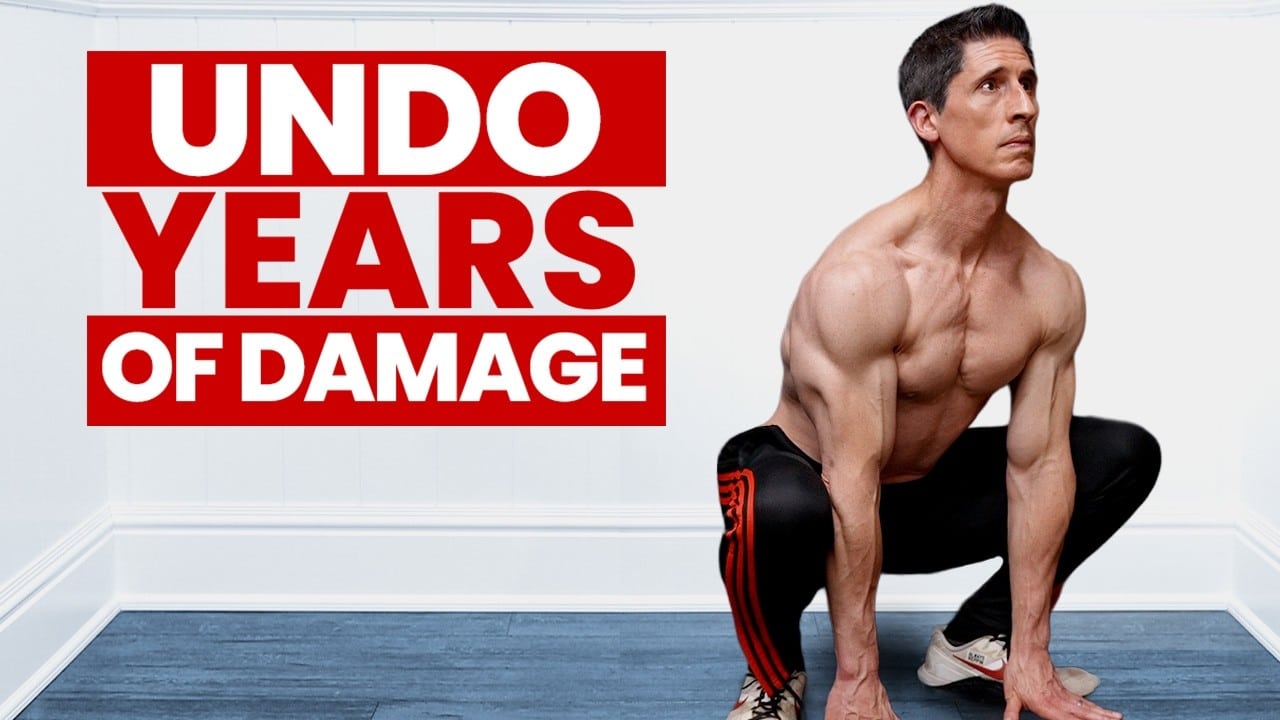
In a detailed breakdown of age-related decline, Cavaliere explains why flexibility and mobility deserve equal—if not greater—attention than pure strength training, especially as the decades pass.
The stakes are higher than most people realize, and the losses happen silently, gradually stealing functional movements that once seemed effortless.
Jump to:
The Silent Loss Nobody Talks About
Cavaliere poses a question that forces a rethink of training priorities.
What do you think is more important, strength or mobility and flexibility as you age? Which one do you need to maintain more? And you would think maybe as a strength coach that I would obviously say strength. And while it’s incredibly important, it’s the base of the pyramid, as I’ve actually shown here in previous videos, ultimately what really matters is maintaining your flexibility and mobility.
The numbers tell a stark story. Strength declines by approximately 7% every decade, but flexibility losses often exceed that rate.
Many people can’t perform basic movement patterns like crossing their feet and standing up without hand support. Others struggle just getting off the floor or touching their fingers together behind their back.
These aren’t merely inconveniences—they’re warning signs of declining functional capacity.
Mobility as Insurance for Everything Else
Cavaliere frames mobility training as an insurance policy protecting all other gym work.
The best way to think of mobility is to think of it as an insurance policy for everything else you do in the gym cuz you need to maintain this if you want to maximize the strength that you’re building.
He illustrates the point with a vivid example: take an 800-pound squatter and place them on a Bosu ball. That impressive strength disappears instantly because stability—which ties directly into mobility—has been compromised.
Raw strength means nothing without the mobility and stability to express it safely and effectively.
Starting From the Ground Up
Cavaliere’s approach begins literally at ground level with a simple assessment.
Can you achieve a deep squat position with hands flat on the ground, heels down, and back upright?
Most people watching will fail this test, revealing problems like rounded backs or heels lifting off the floor.
Modifications for Limited Mobility
For those struggling with the basic position, Cavaliere recommends progressive modifications:
- Push off fingers instead of flat palms to work toward an upright back position
- Turn feet to one side to free up ankle mobility and work one ankle at a time
- Lean into the stretch progressively to increase calf flexibility and ankle range of motion
These adjustments make the foundational position accessible while building toward full mobility.
Adding Dynamic Movement Patterns
Static positions provide a starting point, but dynamic mobility separates functional movement from passive flexibility.
Cavaliere progresses clients through multi-directional movements from the deep squat position:
Lateral Steps
Moving side to side in the squat stretches adductors and challenges frontal plane mobility that most training ignores.
Backward Steps
Stepping backwards opens hip rotation while using the elbow to assist and drive deeper into the stretch.
Forward Walking
Walking forward in the squat position emphasizes hip flexion, one of the first mobility areas lost with age and hip degeneration.
Hip flexion is one of the first areas that we lose mobility, especially when we start to get degeneration of a hip. So, if we can keep hip flexion mobility, then we’re doing something really, really good.
The Reverse Position Protocol
Ground-based movements facing down address only half the equation.
Flipping to a reverse position targets completely different mobility and strength requirements, particularly for hips and shoulders.
For many people, simply sitting in the reverse crab position challenges wrist mobility before any movement even begins.
Building Wrist Tolerance
Those lacking wrist mobility should progressively lean back further over the wrists, gradually increasing flexibility through the flexors and joint itself.
Once comfortable, lift into the full reverse crab position, activating glutes while preventing shoulders from rounding forward—a common compensation for poor thoracic spine and shoulder mobility.
The Saw Movement
Adding dynamic movement transforms the static hold into a mobility builder.
Sliding back and forth in the reverse crab creates shoulder extension, moving arms behind the body while maintaining chest openness.
Those with sufficient wrist mobility can perform this from a flat-handed position. Others can tent fingers to reduce wrist stress while still gaining shoulder benefits.
Advanced Marching Variation
Sliding back further allows alternating leg marches that demand posterior chain strength alongside mobility.
The ground provides assistance throughout, making challenging ranges of motion more accessible than traditional stretching alone.
Why Stretching Alone Isn’t Enough
Here’s where Cavaliere’s approach diverges from conventional flexibility training.
Flexibility without stability actually increases injury risk.
Flexibility without that stability combined could actually introduce more risk for injury. Because if you can get into new ranges of motion but can’t control them, you can become more vulnerable to an injury.
Passive stretching creates range of motion but doesn’t teach the nervous system how to control those positions under load or during movement.
Ground-based movement patterns solve this problem by combining flexibility gains with stability requirements in functional contexts.
Practical Application: Getting Off the Floor
Cavaliere’s final drill addresses a fundamental functional movement many people lose: efficiently getting up from the ground.
Rolling to one side and pushing up to a bear crawl position provides the foundation. From there, the real work begins.
The Knee Drive Technique
From the bear crawl position, drive knees backward while pushing through the heels of hands.
This reinforces hamstring flexibility while maintaining heel contact with the ground—a challenging combination for most people.
Walking hands forward returns to a plank position. Pushing back and walking hands in completes the cycle, repeatedly moving through positions that challenge both mobility and control.
The physical demand is evident—Cavaliere notes being out of breath because the drill engages numerous muscles and joints simultaneously.
The Bottom Line on Aging and Movement
Maintaining strength remains important, but mobility and flexibility deserve equal billing in any intelligent training program.
The ground-based progressions Cavaliere demonstrates provide a systematic approach to reclaiming lost movement capacity while building the stability to protect new ranges of motion.
These aren’t exotic movements requiring specialized equipment. They’re fundamental human movement patterns that modern sedentary lifestyles have systematically stripped away.
Starting with basic positional assessments, progressing through dynamic multi-directional movements, and culminating in functional tasks like floor transfers creates a complete mobility development system.
Most importantly, treating mobility as insurance rather than an afterthought protects training investments and maintains functional independence as years accumulate.
The silent losses happening each decade don’t announce themselves dramatically. They accumulate gradually until basic movements become difficult or impossible.
Addressing mobility systematically ensures strength gains translate into real-world capability rather than gym numbers disconnected from daily function.