Exercise might be medicine’s most powerful longevity tool, but starting a sport in your 70s or 80s? That takes guts.
A growing number of seniors are proving age is just a number—and their stories reveal what’s possible when you refuse to slow down.
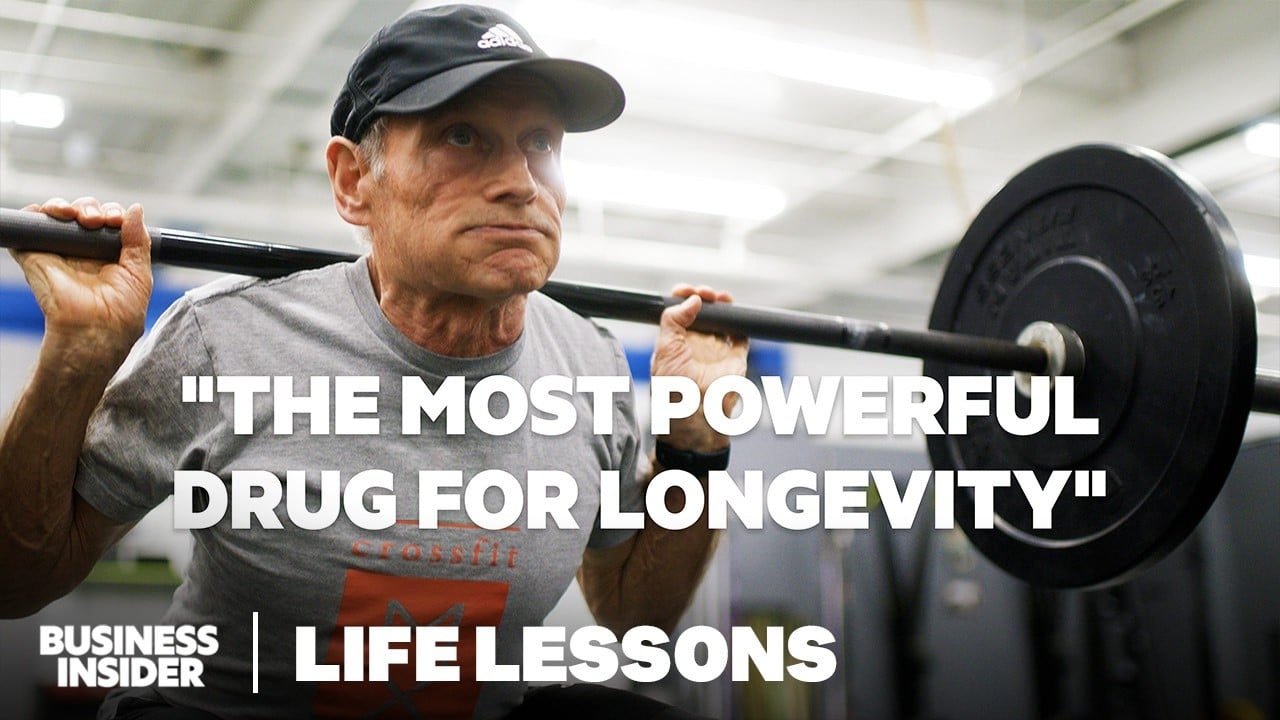
From powerlifting grandmothers to 91-year-old competitive swimmers, these athletes didn’t let decades of inactivity stop them from chasing gold medals.
Their biggest obstacle wasn’t physical—it was mental.
Jump to:
- The Mental Hurdle Is Higher Than The Physical One
- Exercise: The Reluctant Necessity
- Building Muscle To Counter Natural Loss
- Overcoming Physical Setbacks And Limitations
- The Power Of Partnership And Community
- Competition: Mental Game Meets Physical Preparation
- From Lessons To Coaching: The Full Circle
- Practical Advice From Senior Athletes
- The Surprising Benefits Beyond Fitness
- It’s Just Fun—Like Being A Kid Again
The Mental Hurdle Is Higher Than The Physical One
Starting athletics late in life demands conquering one critical belief: that you’ve missed your window.
The most challenging thing about taking up a sport late in life is mental. You have to get over the hump that it’s too late. It’s not too late.
One 79-year-old track athlete put it bluntly when describing her experience returning to competition after a 40-year hiatus. The physical challenges pale compared to psychological barriers built over decades.
No products found.
Many of these late-blooming athletes faced gender-based restrictions in their youth. One 91-year-old swimmer finally learned to swim at 50 because her mother had forbidden it as a girl. Another recalled how competing “just wasn’t ladylike” during her childhood.
Exercise: The Reluctant Necessity
Few of these senior athletes claim to love exercise. They do it because their bodies demand it.
I don’t like to exercise, but my body loves it. This is what I have to do to maintain my life.
One powerlifter described his twice-weekly training sessions as “45 minutes of horror” followed by feeling like “a new woman” afterward. The transformation happens every single time, yet the initial resistance never fully disappears.
This honest relationship with exercise resonates more than inspirational platitudes. Maintaining fitness at 80 isn’t about passion—it’s about willpower and necessity.
Building Muscle To Counter Natural Loss
Muscle deterioration becomes a serious concern with aging, making strength training non-negotiable for active seniors.
We need to work out. We need to keep building muscle because we’re losing muscle.
One former pole vaulter transitioned to powerlifting after arthritis ended his vaulting career. His personal best came in his mid-40s at 14 feet 6 inches, but knee deterioration forced adaptation rather than retirement.
No products found.
Powerlifting—combining back squat, bench press, and deadlift—offers bone-strengthening benefits critical for injury prevention. The challenge lies in balancing intensity with safety, pushing limits without crossing into dangerous territory.
Overcoming Physical Setbacks And Limitations
Nearly every senior athlete interviewed carries physical baggage: hip replacements, back surgeries, car accident injuries, plates and screws holding bones together.
One swimmer has plates in both her left arm and left ankle from an accident, limiting her stroke options. Another manages chronic back issues from surgery 16-17 years ago. A track athlete stopped sprinting briefly before running more than ever in her late 70s.
These limitations don’t stop them—they inform smarter training strategies.
Adaptive Training Approaches
- Pool workouts for joint-friendly cardio and full-body conditioning
- Resistance bands in doorways for convenient strength work
- Daily micro-sessions ranging from 5 to 45 minutes
- Professional coaching for technique refinement and injury prevention
- Partner accountability to maintain consistency
The Power Of Partnership And Community
Married couples training together create powerful mutual accountability systems.
We probably wouldn’t get out of bed if we weren’t pushing each other. And I’m very clear that if it weren’t for Dan, I probably wouldn’t be doing this.
One couple, married 56 years, trains together almost exclusively. Neither would maintain their rigorous schedule alone—the partnership makes all the difference.
No products found.
Beyond romantic partnerships, group training and competitive communities provide vital social connections. Table tennis players meet two to three times weekly for lessons and typically share dinner afterward. Track athletes travel together to competitions nationwide.
This social dimension proves especially crucial post-pandemic, when isolation became normalized and social withdrawal threatened mental and physical health.
Competition: Mental Game Meets Physical Preparation
Senior athletic competitions happen worldwide, from local Empire State Senior Masters Games to World Championships in South Korea.
One first-time competitor wore her gold medal to the supermarket, hoping people would ask about it. The pride wasn’t vanity—it represented decades of defied expectations.
It’s different in competition because a lot of the competition is mental beyond the physical preparation you’ve done. You’ve got to do mental preparation as well.
Athletes repeat mantras like “I love my opponent because he or she brings out the best in me” to frame competition positively. Healthy rivalry between training partners enhances performance without damaging relationships.
From Lessons To Coaching: The Full Circle
Several senior athletes now coach others, teaching Pilates classes, leading CrossFit sessions, or providing table tennis instruction.
No products found.
One coach explained her philosophy: motivating people to accomplish things they wouldn’t attempt alone. By being visible role models, these older athletes inspire younger generations and peers alike.
One lady actually told me that she started swimming because of me.
Storytelling events and casual conversations plant seeds. When younger people witness 78-year-olds sprinting or 91-year-olds swimming competitively, assumptions about aging crumble.
Practical Advice From Senior Athletes
These late-blooming competitors offer hard-won wisdom for anyone considering athletic pursuits in their 60s, 70s, or beyond.
Getting Started
- Seek expert coaching from the beginning to learn proper technique
- Set specific goals and commit to working toward them consistently
- Find a training group for accountability and social connection
- Remove negative influences who question your capabilities
- Just begin—stop talking about it and take action
Don’t be intimidated and don’t think you can’t do it. Just do it. Worst that’ll happen is you’ll fail.
Maintaining Momentum
- Stay busy to avoid fixating on aches and pains
- Vary activities to prevent boredom and overuse injuries
- Schedule workouts as non-negotiable appointments
- Embrace discomfort knowing the post-workout feeling makes it worthwhile
- Compete when possible to add excitement and measurable progress
The Surprising Benefits Beyond Fitness
Physical improvements represent only part of the transformation. Senior athletes consistently report mental health benefits that rival or exceed physical gains.
They walk quicker, feel more alert, and experience a profound sense of youthfulness disconnected from chronological age. One 78-year-old flatly stated: “I don’t feel 78. I’m not letting my age get in my way.”
Social circles expand dramatically through athletic communities. People forge friendships they never would have made otherwise, crossing paths they wouldn’t have intersected without shared sporting interests.
No products found.
Perhaps most importantly, these athletes maintain agency over their aging process. Rather than passively accepting decline, they actively shape their later years through intentional physical challenges.
It’s Just Fun—Like Being A Kid Again
Beneath all the health benefits and competition medals lies something simpler: rediscovered joy.
It’s just fun. It’s like being a kid again.
Table tennis provides that wonderful feeling of play. Track and field creates excitement reminiscent of youth sports. Swimming delivers a post-workout euphoria “worth a million dollars.”
One athlete summarized the unexpected nature of her journey: “In a million years, I wouldn’t have thought I’d be doing this at 78 years old.”
Neither would anyone else—which makes these stories so powerful. They prove possibilities extend far beyond conventional expectations, limited only by willingness to try.
The water’s waiting. The weight room’s open. Competition brackets have age divisions stretching into the 90s. Whatever you want to do in life, just do it—and don’t just talk about it.
No products found.