Dr. Nina Patrick and Phil Newman recently sat down to discuss one of the most significant shifts happening in the longevity space—a shift that has nothing to do with lab breakthroughs or new supplements.
It’s about business models.
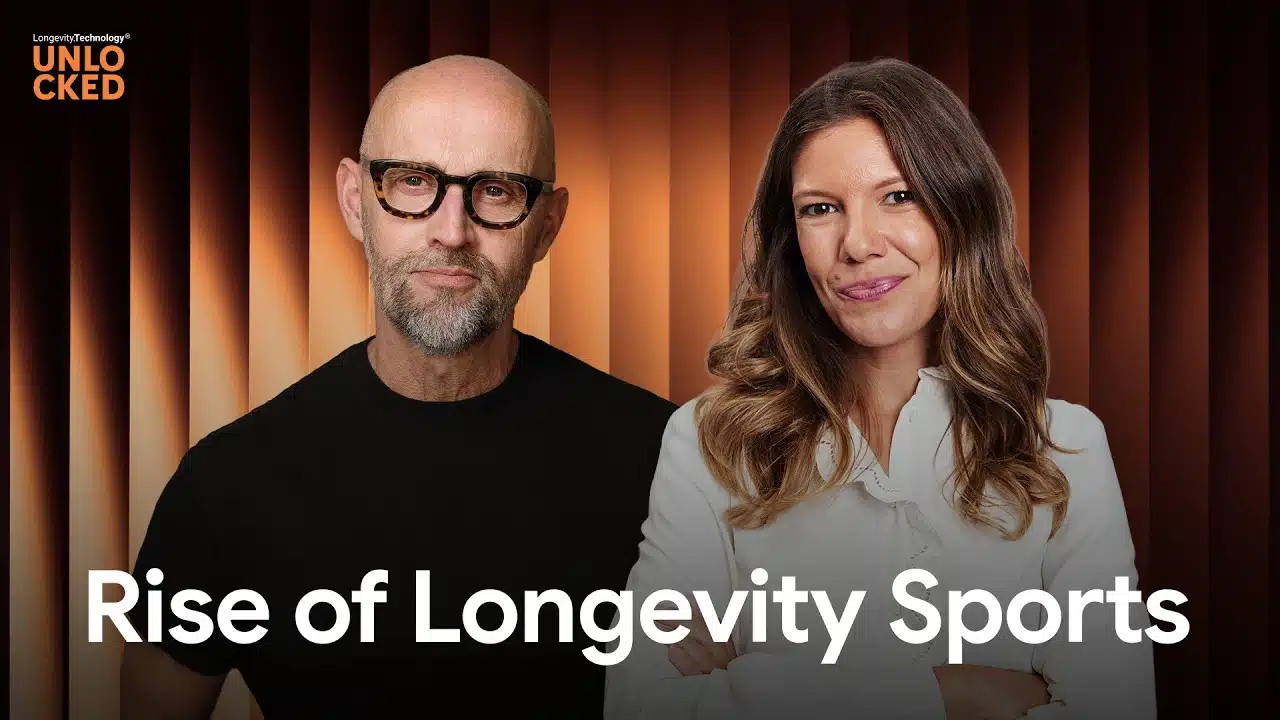
In their latest episode of Longevity Technology Unlocked, the duo unpacked how companies across industries are racing to design revenue structures that actually benefit from people staying healthier longer.
And if you’ve ever wondered why healthcare often feels more reactive than preventive, this conversation might offer some answers.
Jump to:
The Problem With Traditional Healthcare Models
Patrick and Newman didn’t mince words when describing today’s dominant healthcare framework.
We know the sick care healthcare model. And there’s a lot of innovation happening, but it’s also very early.
Newman, speaking from a recent preview event at Edelman PR in London, emphasized that most current systems are designed around treating late-stage disease. That structure creates perverse incentives: revenue grows when people get sicker, not when they stay well.
True longevity, in that model, becomes a threat rather than an opportunity.
What Does “Longevity-Ready” Actually Mean?
According to Newman, longevity-ready business models are those that align financial success with customer health outcomes over time.
These aren’t abstract ideas. Companies in healthcare, insurance, fitness, retail, and even hospitality are beginning to rethink how they engage customers—not through one-off interventions, but through sustained behavioral support.
Closing the gap between lifespan and healthspan requires products and journeys that people adopt and stick with hopefully to get those healthy behaviors, not just those one-off interventions.
Patrick pointed out that while biotech tends to dominate headlines, the real transformation may lie in how businesses structure value around prevention and resilience—not just treatment.
Employers Are Starting To Pay Attention
One of the most underappreciated opportunities? Workplace health programs.
Newman laid out what longevity-focused employers could implement today:
- Healthspan-aware benefits including metabolic and cardiovascular screening
- Workplace design that supports strength, mobility, and brain health
- Targeted programs for menopause, andropause, and resilience metrics
- Biological age assessments and personalized prevention plans
These aren’t fringe perks. Newman argued they represent a strategic shift in how companies view their workforce.
An aging workforce that stays productive and engaged is an asset, not a liability.
For many organizations, outsourcing to occupational health providers has meant compliance-driven box-ticking. Longevity-ready models flip that script.
What Gets Business Leaders On Board?
Patrick asked Newman what actually resonates when pitching these ideas to CFOs and HR heads.
Ethics help, Newman admitted. But it’s the hard numbers that open doors.
When you can show a CFO or HR head that midlife cardiometabolic disease, MSK issues, and burnout are driving a big chunk of claims and absenteeism and early exits, and then offer concrete ways to bend those curves, then you have their attention.
Once financial leaders see measurable returns—lower absenteeism, reduced claims, better retention—the brand and talent arguments gain traction too.
In competitive labor markets, being known as an employer that invests in long-term health becomes a differentiator.
The Longevity Show Is Bringing These Ideas To Life
Newman recently returned from Corfu, where he attended Tim Gray’s longevity retreat with around 200 attendees. Shortly after, he previewed content for the upcoming Longevity Show at Edelman’s London headquarters.
Part of that show will feature Ascending Health and Longevity, a business-focused conference designed to help employers and occupational health teams become longevity-ready.
It’s not just a slogan, it’s a set of specific design choices and benefits, workplace environments, and measurement that everybody can start to work towards.
Patrick noted that while much of longevity science focuses on cellular mechanisms and supplements, this shift toward systemic business model redesign may be equally impactful.
Why This Matters Beyond The Boardroom
This isn’t just corporate strategy. It’s infrastructure.
If businesses don’t redesign incentives around health maintenance, even the best longevity interventions won’t reach people at scale. Payment structures, insurance models, and employer benefits shape access to preventive care far more than individual willpower ever could.
Newman summed it up clearly: good biology that doesn’t get paid for doesn’t get used.
Patrick agreed, pointing out that reimbursement codes, workplace policies, and business incentives often determine whether cutting-edge science becomes widely adopted—or stays confined to academic journals.
The Bottom Line
Longevity isn’t just about living longer. It’s about building systems that support functionality, resilience, and engagement across decades—not just treating disease after it’s already progressed.
The companies that figure out how to profit from healthspan extension, rather than sickness management, will define the next era of healthcare.
And according to Patrick and Newman, that race is already underway.