In an era where lower-body training is no longer overlooked, understanding how your quad size stacks up against the average is more relevant than ever.
Whether you’re lifting for aesthetics, strength, or performance, building a solid pair of thighs has become a standard part of a well-rounded training program.
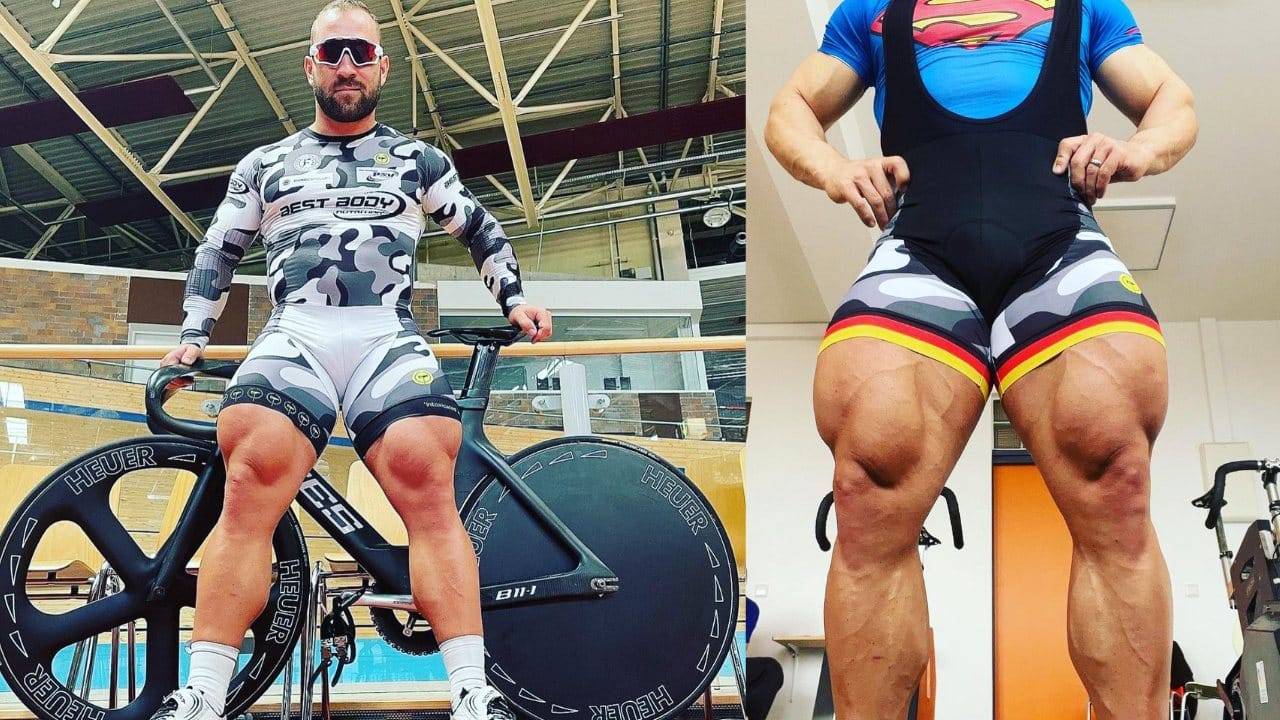
But how big are your legs really, and what’s considered “normal” among trained men?
A recent deep dive into military data and training protocols reveals the numbers — and how to beat them.
Jump to:
Average Quad Size in Trained Men

According to the 2012 Anthropometric Survey of U.S. Army Personnel, the average thigh circumference in trained, active-duty males is 62.51 cm (24.61 inches).
This data is based on over 4,000 service members — not elite athletes, but individuals who maintain consistent physical readiness through regular training and active duty requirements.
The range, based on a standard deviation of 5.85 cm, puts most men between 56.7 cm and 68.4 cm (22.32 to 26.93 inches).
If your thigh circumference sits in the mid-60s, you’re already sitting near the upper end of the bell curve for trained individuals.
Still, context matters. “Quad size” doesn’t just mean pure muscle — it includes hamstrings, glutes, and even fat tissue, so it’s not always a clean indicator of hypertrophy or strength.
How Does That Compare to the General Population?
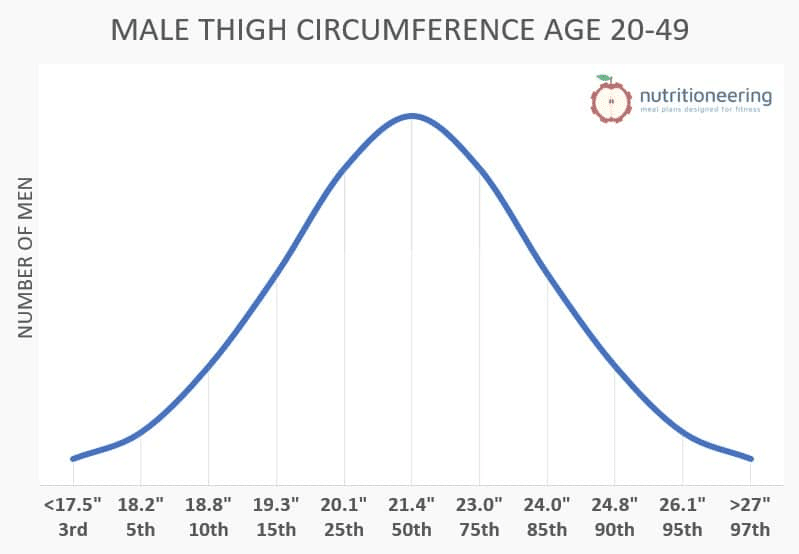
Data from the CDC’s 2008 Anthropometric Reference paints a broader picture across all ages and fitness levels.
For men aged 20–39, the average thigh circumference hovers around 55.1 cm (21.7 inches).
That’s nearly 3 inches smaller than the trained military average — a testament to how much regular strength training affects leg development.
Here’s a quick breakdown by age group:
- 20–29 years: 55.1 cm (21.69 in)
- 30–39 years: 55.1 cm (21.69 in)
- 40–49 years: 55.0 cm (21.65 in)
- 50–59 years: 53.2 cm (20.94 in)
Clearly, staying active has a measurable impact — literally — on your quad size.
Ideal Proportions vs. Absolute Numbers
While average size offers a helpful reference, many lifters are more interested in aesthetics and balance. This is where proportions come in. Two golden ratios are often cited in physique development:
- Thigh = 1.75x knee circumference
- Thigh = 0.53x chest circumference
These ratios come from bodybuilding and fitness modeling circles, aiming for symmetry without overdevelopment. If your thighs overpower your upper body, it may look unbalanced. But if they lag behind, your physique will appear incomplete.
Example:
If your chest measures 100 cm (39.4 in), then your thighs should ideally be around 53 cm (20.8 in) for a balanced aesthetic. Want to appear powerful? Add a few extra centimeters.
How to Measure Your Thighs Correctly
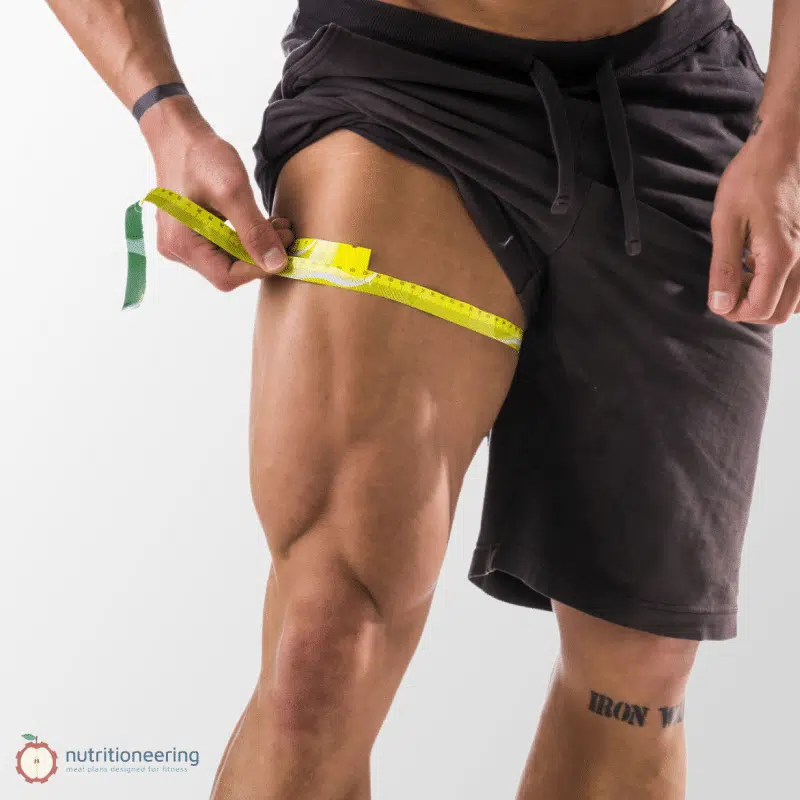
To assess how you stack up, consistency in measurement technique is key:
- Stand upright with feet shoulder-width apart and muscles relaxed.
- Find the thickest part of your upper thigh (usually one-third down from the hip to the knee).
- Wrap a soft tape measure around this spot, keeping it horizontal and snug but not tight.
- Record the circumference to the nearest 0.1 cm or 1/8 inch.
Don’t flex. Don’t suck in. Just stand tall and honest.
Bigger Quads, Bigger Benefits
Beyond aesthetics, well-developed thighs are a hallmark of functional strength and better health. A 12-year Danish study published in BMJ found that smaller thigh circumferences were linked to higher cardiovascular risk and mortality. Simply put: bigger thighs might help you live longer.
Another study from King’s College London tracked 324 twin sisters and found that stronger legs correlated with better cognitive function and higher IQ scores after 10 years.
Strong thighs don’t just squat more — they support longevity and mental sharpness.
Want Bigger Quads? Train Smart
Growing your quads isn’t rocket science, but it does require structured training. Here’s what works, according to experts and research-backed protocols:
1. Prioritize Compound Lifts
Start your leg days with multi-joint movements that overload the quads:
- Barbell Front Squats
- Back Squats
- Bulgarian Split Squats
- Leg Press (Narrow Stance)
These exercises deliver high mechanical tension — the main driver of hypertrophy.
2. Add Isolation for Volume
Layer in targeted movements to fully fatigue the quads:
- Leg Extensions
Use a slow tempo: 2-second pause at the top, 3 seconds down. - Walking Lunges
Try 5–10 minutes straight at the end of a session. - Sissy Squats or Heel-Elevated Goblet Squats
These emphasize the quad stretch and burn.
3. Vary Rep Ranges
Muscle grows across multiple rep zones:
- 6–8 reps: Strength
- 8–12 reps: Hypertrophy sweet spot
- 12–15+ reps: Metabolic stress and endurance
Rotate through these across the week to stimulate all fiber types.
4. Hit the Right Volume
Aim for 10–20 working sets per week. Split this across 2–3 sessions. Work near failure (0–4 reps in reserve) for the best results.
And don’t forget to recover. Muscle grows when you rest, not just when you lift.
5. Progressive Overload
Track your progress and challenge your muscles each week:
- Add reps
- Increase load
- Slow the tempo
- Shorten rest
The goal? Make every set a little harder than the last.
Cardio Can Help Too
Surprisingly, cardio — when done right — can help define and grow your thighs. Cycling, in particular, applies constant tension to the quads, especially when resistance is increased.
In fact, studies show that cycling can induce significant hypertrophy in the lower body. So, instead of ditching cardio, try incorporating stationary bike intervals or hill sprints.
Bottom Line: There’s No Perfect Number
While 24.6 inches (62.5 cm) may be the trained average for men’s quads, there’s no “ideal” thigh size that fits everyone. Genetics, height, body fat, and training background all play a role.
But what you can control is:
- How often and how smart you train
- How well you recover
- Whether you’re chasing arbitrary numbers or meaningful progress
As one article put it, “The perfect size thigh is what you want.” That could mean 22-inch functional legs that jump high and run fast, or 28-inch trunks that dominate on stage.
Just make sure they’re built with consistency — not comparison.
Ready to Grow?
Track your measurements monthly, log your workouts, and aim for long-term consistency. Whether you’re chasing aesthetics, strength, or longevity, building bigger, stronger thighs will serve you well for years to come.
And remember — no one ever regretted a strong set of legs.