Disclaimer: This content is for informational and entertainment purposes only. The protocols discussed are tailored for an elite athlete under medical supervision. Peptides, injectables, and supplements should never be used without consulting a qualified healthcare professional. What works for one person—especially at the professional level—may not be safe or effective for others.
In a recent candid YouTube video, elite strength athlete and World’s Strongest Man competitor Mitchell Hooper shared the exact peptide and supplement stack he’s using to support recovery, boost performance, and safeguard his long-term health.
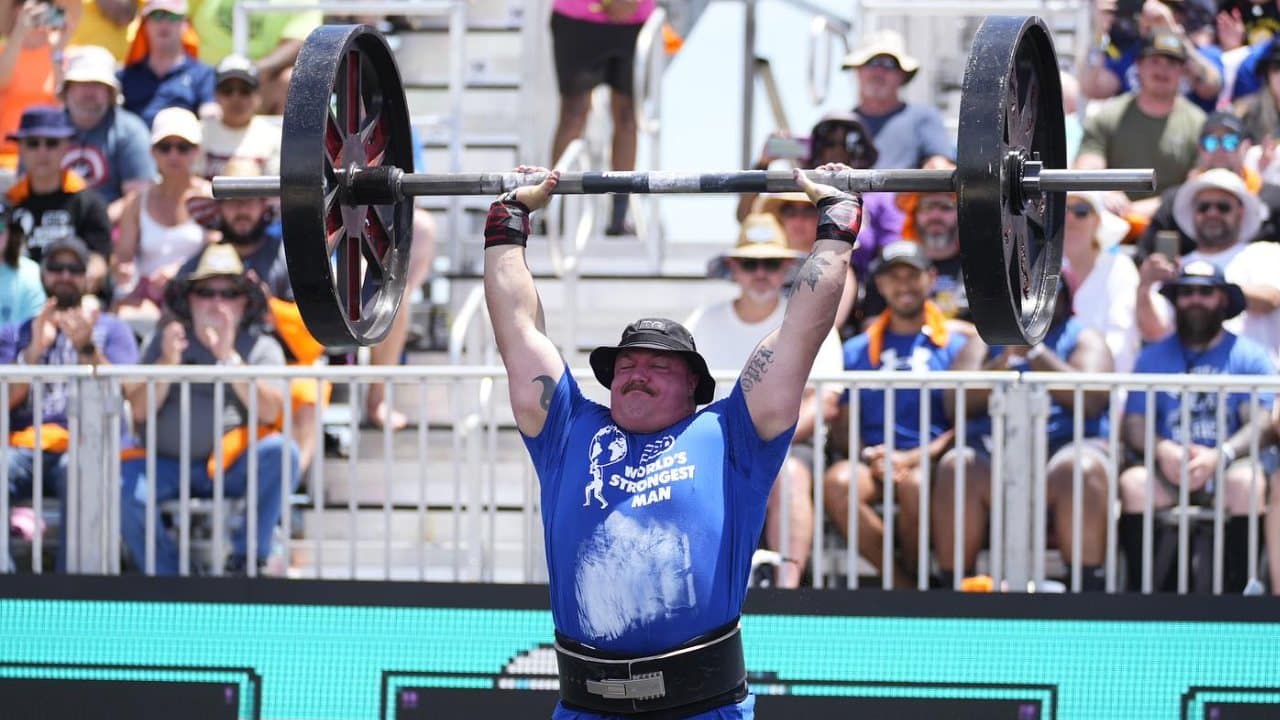
But he makes one message clear: “This is not a one-size-fits-all protocol.”
Instead of providing blanket advice, Hooper walks viewers through a carefully prescribed regimen tailored to his blood markers, family history, and the unique demands of professional strongman competition.
Here’s a look at the injectables and peptide compounds he currently uses, why they matter, and what science says about them — plus important notes on safety and personalization.
Jump to:
- Why Injectable Supplements? A Smarter Delivery Method
- 1. Semorelin: A Safer Path to Growth Hormone Support
- 2. Vasoactive Intestinal Peptide: Cardiovascular and Digestive Support
- 3. Methionine: Enhancing Cellular Energy Production
- 4. NAD+: Cellular Energy and Long-Term Vitality
- 5. Glutathione: The Ultimate Recovery Buffer
- Putting It All Together: Why Personalization Matters
- Summary: The Stack, The Purpose
- The Final Word
Why Injectable Supplements? A Smarter Delivery Method
Before diving into the individual compounds, Hooper outlines why he uses injectables over oral supplements. The key reason? Bioavailability and liver health.
“If you take a big oral dose of B12, for example,” he explains, “it has to go through your stomach, then your small intestine, and finally your liver before it reaches circulation. Your liver has to work hard to process it, even if it’s a healthy compound.”
By contrast, injectables bypass the digestive tract, helping nutrients reach the bloodstream more efficiently and reducing stress on the liver. This can make certain nutrients, like glutathione, more effective when delivered via injection.
1. Semorelin: A Safer Path to Growth Hormone Support
Semorelin is a growth hormone-releasing hormone (GHRH) analog. It stimulates the pituitary gland to naturally secrete human growth hormone (HGH), instead of introducing synthetic HGH into the system.
Unlike exogenous HGH — which can cause widespread tissue growth in the heart, liver, and intestines — semorelin encourages physiological levels of natural hormone secretion.
“I won’t touch synthetic growth hormone,” Hooper emphasizes. “But I’ve noticed better sleep, improved recovery, reduced soreness, and better body composition when I’m on semorelin.”
Scientific evidence supports this approach. A study published in The American Journal of Clinical Nutrition showed that GHRH analogs like semorelin can enhance lean mass and wellness in older adults without the harsh side effects of synthetic HGH.
2. Vasoactive Intestinal Peptide: Cardiovascular and Digestive Support
Vasoactive Intestinal Peptide (VIP) may sound obscure, but it plays a powerful role in digestive and cardiovascular health.
Hooper explains that VIP helps expand (dilate) blood vessels and smooth muscle, easing the flow of blood and reducing blood pressure. At the same time, it improves digestion, enabling better nutrient absorption and the ability to consume larger quantities of food — a key part of fueling during strongman training.
“My blood pressure was once 190 over 110,” he shares. “With VIP and other improvements, I’m now consistently at 130 over 80 — with zero blood pressure meds.”
According to research from the National Center for Biotechnology Information, VIP has vasodilatory effects and protects the heart by reducing vascular resistance — essentially lowering the pressures placed on the cardiovascular system.
3. Methionine: Enhancing Cellular Energy Production
Methionine is an essential amino acid that serves as a precursor to key molecules involved in metabolism and energy production.
In particular, it influences the tricarboxylic acid (TCA) cycle and mitochondrial respiration, both of which are responsible for generating ATP — the body’s cellular energy currency.
“When I take methionine, I feel more powerful during workouts and recover faster between cardiac-intensive events,” Hooper says. “It’s not a documented athletic enhancer, but my energy feels more sustained.”
While direct performance research is limited, a ScienceDirect review supports methionine’s role in mitochondrial function, ATP production, and glucose metabolism — all foundational for high-level training and recovery.
4. NAD+: Cellular Energy and Long-Term Vitality
NAD+ (Nicotinamide Adenine Dinucleotide) is a coenzyme derived from vitamin B3 that plays a vital part in oxidative metabolism and DNA repair. Its levels decline with age, stress, and overtraining.
“With NAD+, I feel like I’m supporting my long-term health,” Hooper shares. “It helps with recovery, and I genuinely have more consistent energy without needing more food.”
In the literature, NAD+ has been heavily researched for its role in longevity, energy production, and mitochondrial function. A 2018 Nature Communications study found that maintaining NAD+ levels helped improve muscle function and metabolic resilience in aging mice.
Instead of loading up on carbs for energy, NAD+ boosts the cell’s own energy systems, which may help athletes maintain leanness and metabolic health.
5. Glutathione: The Ultimate Recovery Buffer
Glutathione is one of the body’s most powerful antioxidants. It’s involved in tissue repair, detoxification, and the neutralization of free radicals that build up from intense training.
“I call it my physical abuse buffer,” Hooper says. “It supports my brain, muscle, skin, and liver — everything that gets pushed to the limit as a strongman. I can’t train at the level I train without it.”
Research agrees. A 2012 study in Sports Medicine highlighted glutathione’s role in reducing oxidative stress and enhancing recovery from strenuous exercise, particularly in high-performance athletes.
Injectable glutathione can be especially effective, bypassing poor digestive absorption and delivering protection right where it’s needed: at the cellular level.
Putting It All Together: Why Personalization Matters
Hooper is quick to repeat that this protocol is not a recommendation for others. It was prescribed through frequent bloodwork and customized analysis by the team at Bloss, which specializes in preventative healthcare for high performers.
“This is about having someone stay on top of your health before something goes wrong,” he says. “Not after the damage is done.”
The takeaway? If you’re interested in peptides or injectables, do not self-prescribe. Start with:
- Professional blood panels
- Consultation with a hormone or functional medicine specialist
- Ongoing monitoring for efficacy and side effects
Summary: The Stack, The Purpose
Here’s a quick recap of what’s included in Hooper’s stack and what each substance supports:
| Compound | Function |
|---|---|
| Semorelin | Stimulates natural growth hormone for better sleep, recovery, and muscle preservation |
| Vasoactive Intestinal Peptide | Improves digestion and lowers blood pressure via vasodilation |
| Methionine | Boosts mitochondrial energy production and exercise endurance |
| NAD+ | Enhances ATP production and recovery; supports long-term cellular health |
| Glutathione | Protects tissues, lowers inflammation, and accelerates recovery |
The Final Word
This stack is not about shortcuts. It’s a tailored toolkit forged through science, bloodwork, and self-awareness. Whether you’re a recreational gym-goer or an aspiring strongman, the biggest lesson is this:
Optimal performance starts with prioritizing health.
As Hooper concludes, “If you want to train like a pro, you have to recover like one — and that means putting your health first.”