While millions watch football’s biggest stars chase glory on the pitch, there’s something far more interesting happening behind the scenes.
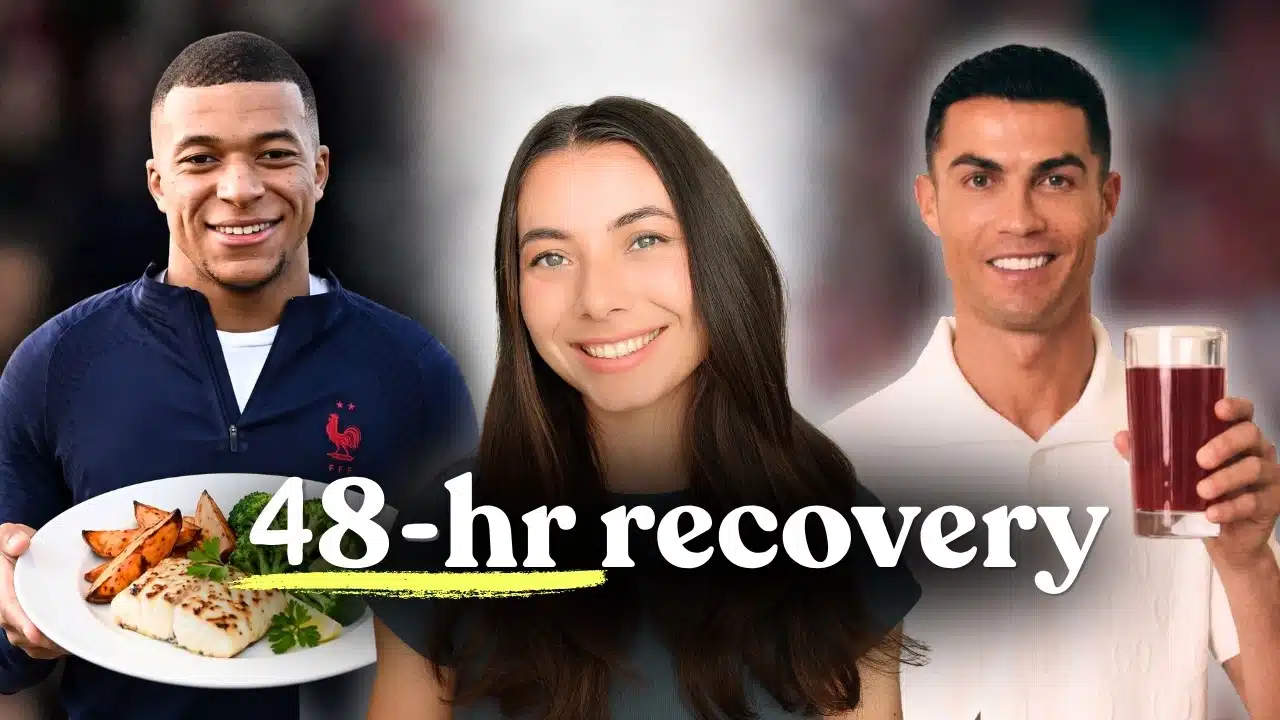
Elite players like Cristiano Ronaldo and Kylian Mbappé recover from running seven miles per game in extreme heat—and they do it in just 48 hours.
The secret isn’t exotic supplements or cutting-edge technology.
It’s an anti-inflammatory diet that anyone can follow, whether battling brain fog, joint pain, or chronic exhaustion.
Jump to:
Omega-3s: The Foundation of Recovery
Professional soccer players facing congested tournament schedules consume 1.8 to 3 grams of omega-3 fatty acids daily, specifically targeting muscle soreness and inflammation between matches.
Sports scientists recommend these levels because omega-3s compete directly with pro-inflammatory omega-6 fatty acids found in processed oils and fast food. Both types fight for the same receptors in your body—the more omega-3s you have relative to omega-6, the lower your baseline inflammation.

If you want something simple that actually works, this is one of the most effective tools I’ve used to build strength, conditioning, and endurance without needing a full gym setup.
- Full-body training with one weight using swings, squats, and presses
- Solid cast iron build that feels stable and lasts for years
- Comfortable grip that makes high-rep workouts easier to handle
Ronaldo famously eats swordfish, sea bass, cod, and tuna on a daily basis. And Mbappe does the same with fish and fish-based proteins.
For those avoiding fish, flaxseeds, walnuts, and algae-based omega-3 supplements offer solid plant-based alternatives. Bioavailability differs slightly, but the principle remains identical: tip that ratio in your favor.
Tart Cherry Juice: Science-Backed Inflammation Fighter
A 2025 systematic review analyzing 19 clinical trials found that tart cherry juice supplementation significantly reduced C-reactive protein levels in athletes after exercise.
C-reactive protein ranks among the main inflammatory markers in blood—the same marker that spikes with gut inflammation, autoimmune flares, or chronic stress. Polyphenols in tart cherries, specifically anthocyanins, inhibit inflammatory pathways activated after intense physical stress.
Tart cherries also contain natural melatonin. A small glass before bed may support overnight recovery and sleep quality.
Individual responses vary based on gut microbiome, genetics, and baseline antioxidant status. Some athletes swear by it; others notice minimal change. But with essentially zero risk and low cost, those dealing with elevated inflammation should consider trying it.
The Critical 30-Minute Recovery Window
Elite football players target a 30-minute recovery window—also called the anabolic window—immediately after matches. What they consume in those minutes sets the tone for how inflamed or recovered their bodies will be over the next 48 hours.
If you want something simple that actually works, this is one of the most effective tools I’ve used to build strength, conditioning, and endurance without needing a full gym setup.
- Full-body training with one weight using swings, squats, and presses
- Solid cast iron build that feels stable and lasts for years
- Comfortable grip that makes high-rep workouts easier to handle
Research recommends roughly 20 to 40 grams of protein combined with carbohydrates within that window to restore muscle glycogen and kickstart repair.
If you’ve had a hard workout or a long stressful day at work, a bad night’s sleep, or you’re going through perimenopause where your body is already under hormonal stress, your body is also in a kind of recovery phase.
Most people eat their post-workout snack well after two hours, skip it entirely, or grab something processed. Then they wonder why inflammation and exhaustion persist.
Simple solutions work best:
- Greek yogurt with fruit
- Protein smoothie with nuts and banana
- Any whole food combining quality protein and carbohydrates
Smoothies and shakes digest quickly, speeding absorption—ideal for immediate recovery needs.
Strategic Carbohydrate Timing, Not Elimination
Professional football players eat more carbohydrates on high-intensity days and fewer on rest days. They don’t cut carbs completely—they deploy them strategically.
Ronaldo, who maintains under 10% body fat at age 41, eats brown rice, quinoa, and oats. Mbappé, one of football’s fastest players, consumes whole grains, sugar-free porridge, and fresh or dried fruit.
If you want something simple that actually works, this is one of the most effective tools I’ve used to build strength, conditioning, and endurance without needing a full gym setup.
- Full-body training with one weight using swings, squats, and presses
- Solid cast iron build that feels stable and lasts for years
- Comfortable grip that makes high-rep workouts easier to handle
These complex carbohydrates release energy slowly, stabilize blood sugar, and crucially feed beneficial gut bacteria.
Carbohydrates fuel high-intensity activity. The difference between professional athlete nutrition and typical diets isn’t carb presence—it’s carb quality.
If you’ve been scared of carbohydrates, I want you to ask yourself, am I steering away from sweet potato or white bread? Because those are very different things.
Gut Health: The Secret Performance Organ
Sports nutrition research establishes a clear link: good gut health equals less systemic inflammation, faster recovery, and better overall performance.
Inflammation slowing football player recovery between matches operates through the same biological process as inflammation manifesting as brain fog, bloating, joint aches, fatigue, hormonal disruption, and autoimmune symptoms in everyday life.
Foods protecting athlete gut health—fiber-rich vegetables, fermented foods, olive oil, polyphenol-rich berries—protect everyone’s gut identically.
Both Ronaldo and Mbappé follow Mediterranean diet principles without labeling them as such. It’s the most evidence-based anti-inflammatory eating pattern available.
If you want something simple that actually works, this is one of the most effective tools I’ve used to build strength, conditioning, and endurance without needing a full gym setup.
- Full-body training with one weight using swings, squats, and presses
- Solid cast iron build that feels stable and lasts for years
- Comfortable grip that makes high-rep workouts easier to handle
You don’t need to run seven miles for this relevance. You just need a body recovering from stress—and that’s everyone.
What Elite Athletes Avoid
Both Ronaldo and Mbappé eliminate refined sugars, carbonated drinks, alcohol, processed foods, and packaged sauces.
Ronaldo’s chef who actually came out publicly recently and talked about this said that there’s nothing special or complicated about what Ronaldo eats. It’s simple, it’s whole, it’s consistent, there are no shortcuts, and there are no cheat days.
Ronaldo eats according to training load—more on heavy days, less on rest days. He never eats with a full stomach before sleep because poor late-night digestion disrupts sleep quality, and sleep is the single most important recovery tool any athlete or human possesses.
For those struggling with gut health, solutions rarely involve adding another supplement or superfood. Success comes from removing things actively fueling inflammation:
- Late-night snacking
- Ultra-processed convenience foods
- Alcohol disrupting gut microbiome
- Coffee on empty stomach first thing morning
Professional football players aren’t doing anything exotic. They’re simply not undermining recovery daily with wrong choices.
Hydration Plus Electrolytes
Scientists predict 10 out of 16 World Cup stadiums face extreme heat stress conditions. Research makes clear: hydration alone isn’t enough.
If you want something simple that actually works, this is one of the most effective tools I’ve used to build strength, conditioning, and endurance without needing a full gym setup.
- Full-body training with one weight using swings, squats, and presses
- Solid cast iron build that feels stable and lasts for years
- Comfortable grip that makes high-rep workouts easier to handle
Electrolytes—sodium, potassium, magnesium—lost through sweat need replacement. Dehydrated muscle is inflamed muscle. It responds poorly, recovers slowly, and injures more easily.
For everyday life, if you wake feeling puffy, experience persistent muscle cramps, or feel foggy after sleep, check hydration and electrolyte intake before anything else. Often, it’s that simple.
Coconut water, a pinch of sea salt in water, and mineral-rich foods like leafy greens and avocado are diet staples for both Ronaldo and Mbappé. They’re absolutely sufficient without overpriced electrolyte powders—many packed with sugars and additives.
The Big Takeaway
The diet fueling the world’s best football players isn’t complicated. It’s colorful, whole, consistent, and well-timed.
It prioritizes gut health and anti-inflammatory foods above everything else, then adapts around training load and individual needs.
These players don’t recover in 48 hours because they’re superhuman. They’ve built bodies with low baseline inflammation, strong gut lining, and nutrition strategies immediately repairing damage.
If you want something simple that actually works, this is one of the most effective tools I’ve used to build strength, conditioning, and endurance without needing a full gym setup.
- Full-body training with one weight using swings, squats, and presses
- Solid cast iron build that feels stable and lasts for years
- Comfortable grip that makes high-rep workouts easier to handle
All of this is available to everyone—not for elite performance, but to feel more like yourself. Less inflamed. Less exhausted. More recovered. More clear.